Table of Contents
ToggleStopping Weight Loss Jabs Linked to Rapid Weight Regain in One Year, Study Indicates
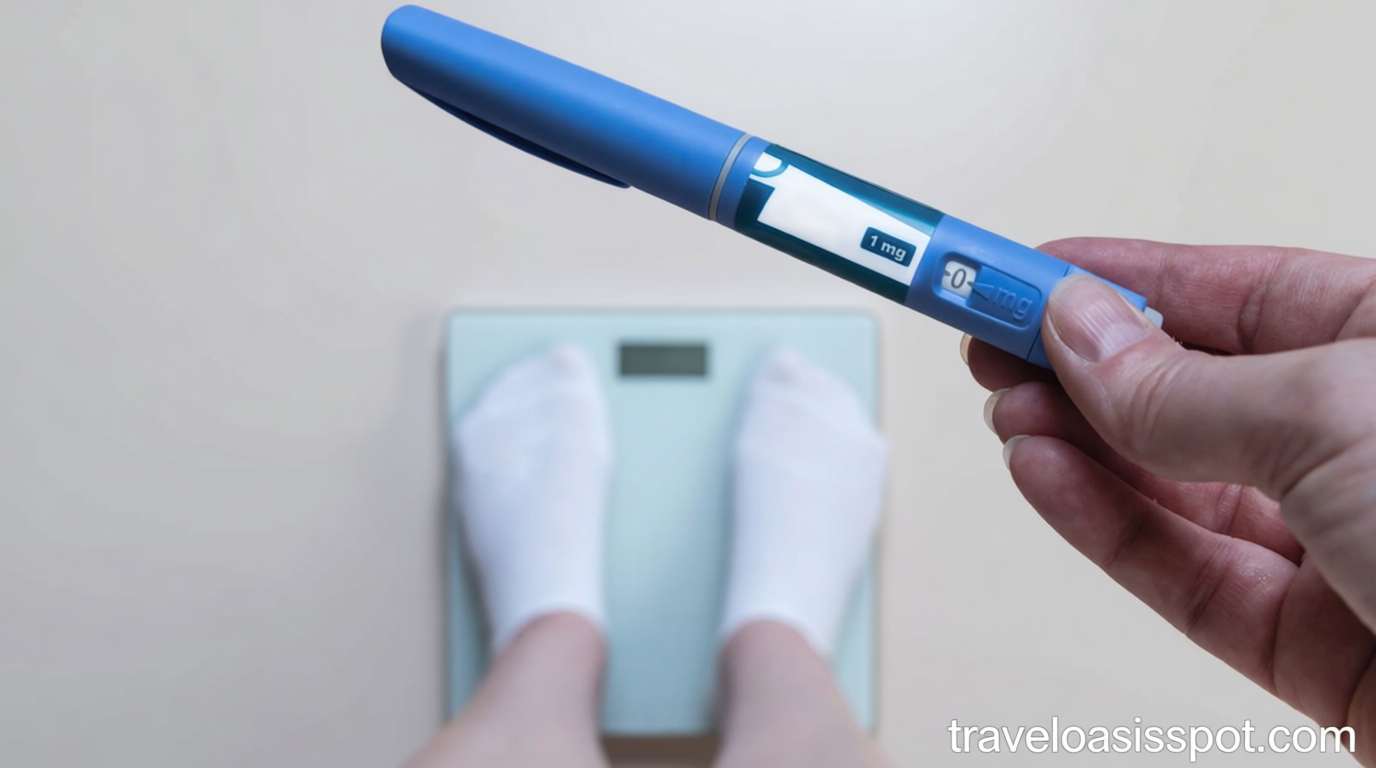
Researchers from the University of Cambridge report that individuals who discontinue obesity-targeting injections may recover nearly all the weight they lost within a year, according to recent findings.
The study, spanning six trials with over 3,200 participants, reveals that 60% of lost weight typically returns after 52 weeks without treatment. This suggests a notable rebound in weight following the cessation of these medications.
GLP-1 Receptor Agonists and Their Dual Applications
Obesity jabs fall under the category of GLP-1 receptor agonists, which function by replicating the hormone GLP-1 to control blood sugar and insulin. Initially designed for type 2 diabetes management, certain variants—like semaglutide (Wegovy) and tirzepatide (Mounjaro)—are now approved by the NHS for weight management.
Furthermore, a separate investigation involving more than 600,000 U.S. veterans with diabetes implies that these injections could also assist in curbing addiction to substances such as alcohol, cannabis, cocaine, nicotine, and opioids.
Neural Impact and Health Implications
Experts propose that GLP-1 agonists influence the brain’s reward system, thereby diminishing cravings. This effect appears to extend beyond weight control, reducing substance misuse in non-addicted individuals and lowering risks of overdoses and emergency visits among those already struggling with addiction.
Brajan Budini, a medical student at the University of Cambridge, noted:
“Our projections indicate that while most weight is regained, some loss may persist. However, we are uncertain whether lean mass is restored at the same rate, potentially leading to a less favorable fat-to-lean ratio with long-term health consequences.”
The team advocates for more research to determine the composition of weight changes during and after treatment with these injections.
A parallel study tracked veterans over three years, finding a 14% decrease in substance use disorders among those without prior addiction histories. Participants also showed reduced risks of alcohol-related issues (18%), cannabis use (14%), cocaine dependence (20%), nicotine addiction (20%), and opioid misuse (25%) compared to peers on alternative diabetes therapies.
Among individuals with existing substance use disorders, the injections were associated with a 31% drop in emergency department visits, hospitalizations, and mortality linked to addiction. These results were consistent across genders, despite the study focusing primarily on older men.
Read more: GPs to be offered bonus for prescribing jabs Which weight loss jabs are available on the NHS? Weight loss jabs could be banned by next Olympics