Table of Contents
ToggleThe water companies using bailiffs to collect customer debt more than 6,000 times a year
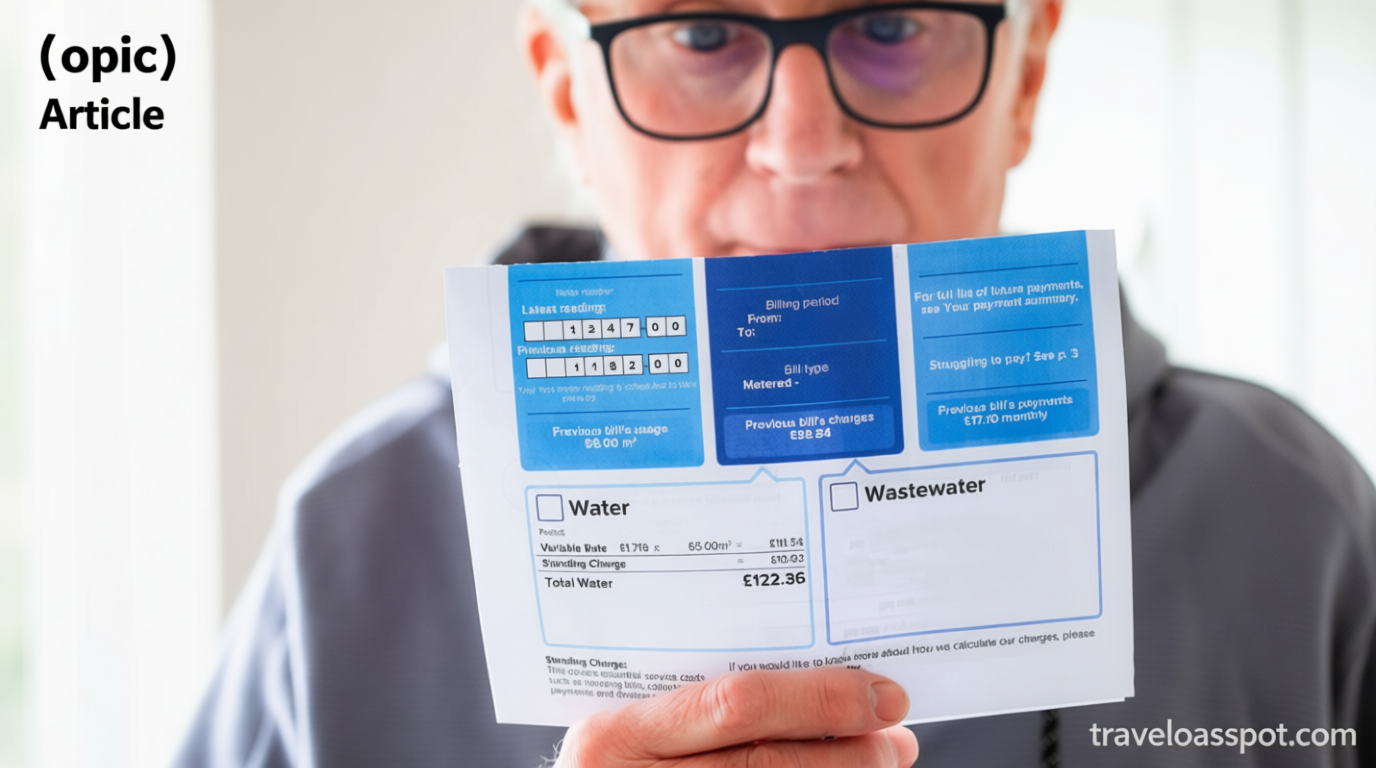
Recent data has uncovered that certain water providers rely on bailiffs to recover outstanding customer payments over 6,000 times annually. This practice, previously undisclosed, highlights significant disparities in how different companies employ debt collection tactics.
MP Committee Reveals Varied Bailiff Usage Among Water Providers
The Environment, Food and Rural Affairs (Efra) Committee’s findings reveal that some companies are far more aggressive in using bailiffs than others. For instance, Wessex Water has avoided this method entirely for the past ten years, while Welsh Water reported fewer than 1,000 bailiff actions each year from 2019 to 2025.
Southern Water, however, stood out with 15,707 bailiff instructions in 2019, followed by over 6,000 in 2020, more than 5,000 in 2023, and exceeding 8,000 in 2024. Last year, their count dropped to over 4,000. Yorkshire Water and United Utilities also frequently exceeded the 6,000 threshold, with United Utilities doing so every year since 2021.
Industry-Wide Bailiff Activity Peaks Post-Pandemic
Bailiff usage across the sector reached its highest levels in 2023 and 2024, coinciding with the aftermath of the COVID-19 pandemic. This surge has prompted questions about the causes, with Efra committee chairman Alistair Carmichael noting: “Why did bailiff use increase so rapidly after the pandemic? Did anyone look into it at the time?”
Meanwhile, the Council for Water announced it would scrutinize the committee’s data. Andy White, the council’s social policy lead, emphasized: “The use of bailiffs should be an absolute last resort and only applied when a customer clearly fails to pay their bill persistently and deliberately.” He added that such measures should not target individuals in financially vulnerable situations.
Companies’ Justifications for Bailiff Use
“Enforcement action is a last resort,” said Yorkshire Water. “We only use it against customers who can afford to pay but choose not to.”
“We take court action against customers we believe have the means to settle their debts,” stated a United Utilities spokesperson.
“Southern Water strives to support struggling customers and uses bailiffs when necessary to maintain service quality,” the company explained.
Northumbrian Water claimed it refrains from using bailiffs for those receiving means-tested benefits, but Southern Water acknowledged that such individuals may still face legal proceedings. The committee also noted that South West Water/Pennon and Yorkshire Water topped the bailiff usage list in 2025 after adjusting for population size.
Most of the 11 English and Welsh water and wastewater firms operated within a range of 500 to 4,500 bailiff actions during the 2024-2025 period. The data underscores the growing pressure on households, with the Efra committee highlighting cost-of-living challenges as a key factor in the rise of enforcement actions.