
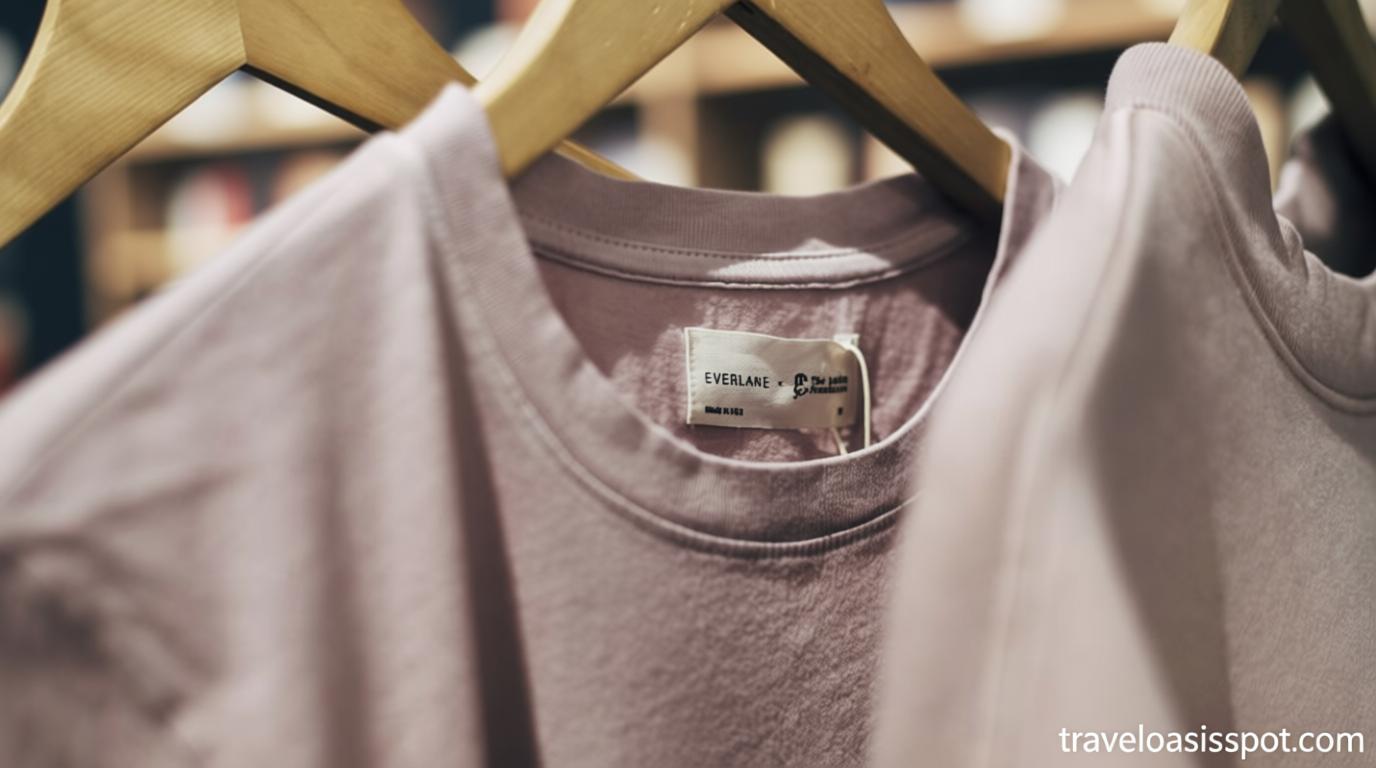
Everlane Shoppers Come Unraveled Over Sale to Shein
Everlane shoppers come unraveled over sale – Everlane, a brand that once positioned itself as a beacon of ethical fashion, now faces uncertainty as its future is tied to the acquisition by Shein, a fast-fashion powerhouse. The $100 million deal, reported by Puck’s Lauren Sherman, aims to resolve Everlane’s $90 million in outstanding debt. While CEO Alfred Chang confirmed the transaction in a statement released on Friday, he refrained from disclosing the exact price, leaving fans and critics to speculate about the implications. Chang emphasized that Everlane would retain its independence, pledging to maintain its “sustainability commitments” despite the new ownership.
A Shift in Ownership, A Concern for Values
News of the sale sparked immediate anxiety among Everlane’s loyal customer base. Many feared the brand’s core values—centered on affordability and transparency—might be compromised. “Cool cool need to go buy 46 white t-shirts before the formula changes,” tweeted Sophie Vershbow, highlighting the urgency of customers to secure their favorites before potential alterations. The post, which appeared to show a purchase of three rather than four, underscored the emotional weight of the decision.
“This was a brand founded on ethical consumption, which is the complete opposite of what Shein stands for,” said Shawn Grain Carter, an associate professor at the Fashion Institute of Technology who teaches sustainable style. “Fast fashion is the antithesis of sustainability. It’s cheap labor, it’s produced at any cost and rarely is it done in an ethical supply chain. So to have an acquisition by a company that goes directly against the core values of your core customer is problematic in many ways.”
Everlane’s reputation hinged on its commitment to “radical transparency,” a promise that let customers trace the origins of each garment. From pricing breakdowns to detailed material sources, the brand offered a stark contrast to the opacity of traditional retailers. For shoppers who valued this approach, the sale to Shein felt like a betrayal. “It almost feels personal, that this is how it ends,” said Madeleine Alizadeh, a fashion writer who launched her own sustainable brand, DariaDeh. “I’ve always believed in Everlane’s mission, and now it’s being handed over to a company that contradicts everything it stood for.”
Shein’s Reputation and the Sustainability Dilemma
Shein, often criticized for its mass production practices and labor conditions, has long been at odds with the principles of sustainable fashion. While the watchdog group Good on You awarded Everlane a “good” rating, Shein received a “bad” score, reflecting its environmental impact and ethical challenges. Critics argue that the acquisition signals a broader trend of fast-fashion giants buying into ethical brands to leverage their reputations while expanding their reach.
“Plenty of brands make durable basics, some of them under ‘sustainable’ banners,” Carter noted. “But Everlane’s unique value lay in its ability to make affordable, well-made essentials accessible without guilt. That’s what made it special.”
Everlane’s initial success stemmed from its ability to blend practicality with ethical appeal. When the brand launched in 2010, it targeted consumers who wanted to dress simply but responsibly. Its boxy T-shirts and sturdy jeans became staples, offering a middle ground between casual wear and professional attire. The garments’ neutrality in color and style resonated with a generation seeking to avoid the excesses of luxury fashion while still maintaining a polished appearance.
Everlane’s model was distinct in its simplicity. Unlike traditional retailers that relied on seasonal collections and flashy marketing, the brand sold everything online, maintaining a lean operation. This approach allowed it to focus on transparency, a key selling point that differentiated it from competitors. The company’s early days saw a surge in demand, with its first T-shirt line selling out quickly despite a limited initial stock of 1,500 units. A waitlist of over 60,000 potential customers, as reported by The Strategist, illustrated the brand’s appeal.
From Basics to Expansion
Over the years, Everlane expanded its product range, introducing items like cashmere sweaters, non-stretch jeans, leather flats, and backpacks. Each new addition was praised by major fashion publications such as Vogue, New York, and The New York Times, reinforcing its status as a leader in the sustainable clothing movement. Yet, even as it grew, the brand remained steadfast in its mission to provide quality without compromise.
Kirstie Wang, a small business owner from the Bay Area who accused Shein of plagiarizing her designs, expressed deep disappointment upon learning of the sale. “News of the sale made me cry,” she said in an Instagram reel. “I think I just really looked up to them, and half my closet is Everlane. How did they swing the pendulum so far that they’re able to sell to the radical opposite of what they stood for?” Wang’s sentiment reflects the broader unease among those who saw Everlane as a symbol of conscious consumerism.
The Ethical Fashion Movement and Everlane’s Legacy
Everlane’s rise coincided with a growing interest in ethical fashion, a niche that was once dominated by luxury labels like Stella McCartney and “granola” brands such as Patagonia. At the time, sustainable choices often came with high price tags or limited availability, making Everlane’s approach revolutionary. By breaking down costs and offering essentials at accessible prices, the brand democratized ethical consumption, allowing a wider audience to participate in the movement.
Alizadeh, who founded DariaDeh with similar sustainable goals, acknowledged Everlane’s pioneering role. “When Everlane started, ethical fashion was seen as something for the elite,” she said. “It was a brand that made it possible for people to buy well-made clothes without breaking the bank or sacrificing their values.” The brand’s influence extended beyond its product lines, inspiring a wave of startups that sought to combine affordability with sustainability.
Yet, the sale to Shein raises questions about the long-term viability of such a model. Critics argue that Shein’s business strategy—prioritizing speed and volume over quality—could erode Everlane’s ethos. “Everlane was genuinely pioneering,” Alizadeh stated. “But now it’s being absorbed by a company that treats fashion as a disposable commodity. That’s a big shift for a brand that once made its customers feel like they were making a meaningful choice.”
What’s Next for Everlane?
As Everlane transitions under Shein’s ownership, its future remains uncertain. While Chang insists the brand will continue its sustainability commitments, skeptics wonder if the new parent company will prioritize profit over principles. The sale marks a pivotal moment in the brand’s journey, challenging its ability to maintain its original identity in a rapidly evolving market.
For many customers, the decision feels personal. “I’ve been buying Everlane for years, and it was more than just a store—it was a philosophy,” said Alizadeh. “Now, it’s being handed over to a company that doesn’t share that vision. It’s like the values that made it special are being diluted.” The emotional attachment to the brand underscores the significance of its shift, as shoppers grapple with the idea that their trusted ethical choice might no longer align with their values.
Despite the concerns, some view the acquisition as a strategic move that could enhance Everlane’s global presence. With Shein’s extensive distribution network, the brand may gain access to new markets and resources. However, the question remains: can a company that once championed transparency and sustainability truly survive under the influence of a fast-fashion giant? The answer may depend on how Everlane navigates its new identity while keeping its roots intact. For now, the sale has left its customers in a state of contemplation, wondering if the brand’s values have been quietly reshaped or if they still hold true beneath the new ownership.





