London Commuters Face Disruption as Bus Drivers Prepare for Extended Strike Action
Traveloasisspot.com – Thousands of London residents will experience significant travel disruptions as more than 1,500 bus drivers prepare to walk off the job over the coming months. The industrial action stems from a longstanding disagreement between Unite union members and Arriva North London regarding workplace conditions during periods of extreme weather.
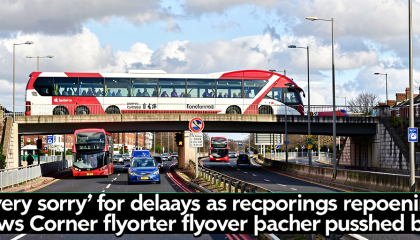
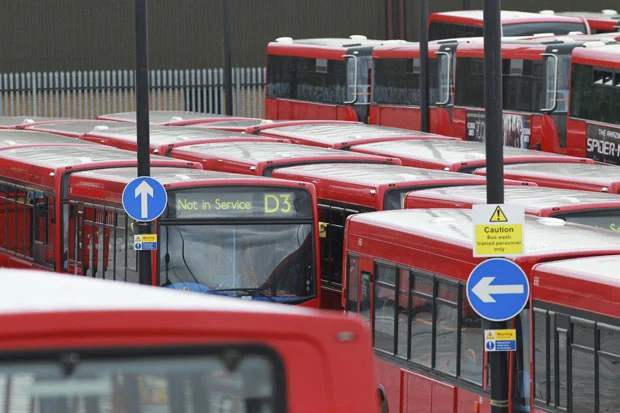
The strike involves employees operating from eight separate garages across the capital and surrounding areas. Services in north London and parts of Essex will bear the brunt of the cancellations and delays. Unite has scheduled 26 separate strike dates spanning from August through October, creating what promises to be one of the most prolonged periods of bus service disruption in recent years.
Understanding the Heat Crisis Inside London Buses
The core of the dispute centers on how drivers cope with soaring temperatures inside their vehicles. While many modern buses feature sophisticated air conditioning systems, a significant number of Arriva’s fleet relies on simpler air cooling mechanisms. These older systems simply circulate outside air rather than actively cooling it, creating an uncomfortable environment when temperatures climb.
During recent heatwaves, interior temperatures inside some buses have reached 40 degrees Celsius. Drivers have described their cabs as resembling greenhouses, with limited ability to escape the sweltering conditions. The situation has become serious enough that several drivers have reported experiencing heat exhaustion, heat stroke, and dehydration throughout the summer months.
While Arriva has permitted drivers to take breaks when necessary, many workers feel compelled to maintain their schedules to avoid inconveniencing passengers. This pressure has created a difficult balancing act between personal health and professional responsibility.
Geographic Impact and Affected Areas
The eight garages participating in the strike serve communities across north and east London. Residents in areas covered by Barking, Edmonton, Enfield, Grays, Palmers Green, Stamford Hill, Tottenham, and Wood Green should expect the most significant service changes. While the union has not published a complete list of affected routes, passengers in these neighborhoods should plan alternative travel options.
The timing of the strikes presents additional challenges for commuters. Several planned strike dates coincide with existing closures on the Piccadilly Line during August and September. This overlap means that passengers who might normally transfer between bus and underground services could face compounded disruptions.
Union Position and Demands
Time and time again drivers have complained to Arriva North London about working in dangerous conditions but the company has failed to act which is completely unacceptable.
Sharon Graham, Unite’s general secretary, has been vocal about the union’s frustration. She emphasized that Arriva, as a profitable organization, has the financial capacity to invest in better working conditions but has instead chosen to prioritize other concerns. Graham pledged full union support for drivers throughout the dispute.
Steven Stockwell, Unite’s regional officer, acknowledged that passengers would be disappointed by the industrial action but placed responsibility squarely on Arriva’s shoulders. He criticized the company’s approach as bullying behavior and called for meaningful discussions to resolve the issues permanently rather than through repeated strikes.
Arriva’s Response and Proposed Solutions
Arriva has responded by highlighting its investment in both immediate and long-term improvements. Wasim Mohammed, the company’s managing director for London operations, stated that the firm takes driver welfare seriously and understands how extreme weather affects staff members.
We are working closely with Transport for London to support both our colleagues and customers during these hot spells. We’ve introduced short-term measures to protect drivers, and we’re investing in longer-term fixes, including cab air conditioning upgrades and our ongoing investment in new fleet.
Mohammed emphasized that Arriva remains open to negotiations at any time and hopes to reach a resolution that prevents both the strikes and the resulting passenger inconvenience.
Broader Implications for London Transport
A Transport for London spokesperson confirmed that the strikes will primarily impact local bus routes in north and some central London areas. The spokesperson noted that certain routes may become busier than usual as passengers seek alternatives to affected services.
The situation highlights ongoing challenges facing London’s public transport network. As climate patterns shift and summer temperatures become increasingly extreme, transport operators must balance operational efficiency with worker safety. The dispute also raises questions about whether current infrastructure investments are sufficient to meet future demands.
For now, Londoners must prepare for a potentially difficult few months. While the strikes are not permanent, the 26 scheduled dates mean that disruption could become a regular feature of daily commutes through autumn. Both sides have expressed willingness to negotiate, but until a comprehensive agreement is reached, passengers should expect continued uncertainty regarding bus services across north London and Essex.
Related Reading
Frequently Asked Questions
What is London bus drivers strike?
London bus drivers strike is the main topic of this guide. The article explains the context, practical details, and next steps readers should understand.
Why does London bus drivers strike matter?
London bus drivers strike matters because readers are looking for a useful answer, not just a short summary. Good content should match search intent and help them decide what to do next.