Scottish Veteran Conquers Great Glen Way in Chin-Controlled Wheelchair
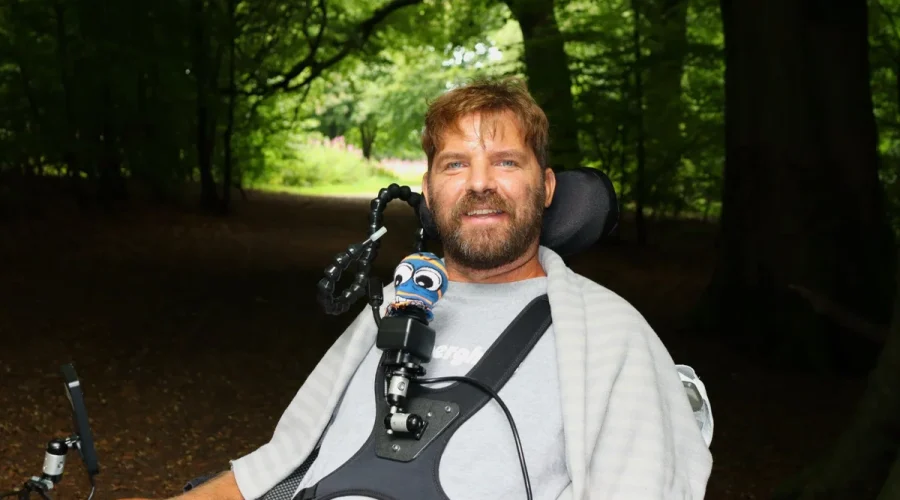
Traveloasisspot.com – A determined Scottish veteran with tetraplegia is preparing to tackle one of Britain’s most scenic long-distance routes, proving that life after a catastrophic spinal injury can still be filled with adventure and purpose. Danny Mavor, a 41-year-old from Glasgow, will embark on a grueling 79-mile expedition across Scotland’s dramatic Highland landscape in his specially adapted off-road wheelchair. The journey, known as the Great Glen Way, stretches from the historic town of Fort William in the west to Inverness in the northeast, following the ancient Caledonian Canal through some of Scotland’s most breathtaking scenery. What makes this challenge particularly remarkable is that Mavor will navigate the entire route using only a chin-controlled wheelchair, a testament to both his determination and the technological advancements that have transformed mobility for those with spinal injuries.
A Life Transformed by Tragedy
Six years ago, Mavor’s world was turned upside down following a motorcycle accident that left him paralyzed from the neck down. The accident occurred while he was serving in the Royal Scots Dragoon Guards, a regiment with which he had served in Iraq. The dual blows of military service and a life-altering injury could have easily led to withdrawal, but instead, Mavor has chosen to push forward with remarkable resilience. “I just know that I’m struggling anyway, so why not do the things that I loved, like mountains, like a challenge, like hanging out and enjoying camaraderie with the boys?” he explained, capturing the spirit that drives him forward. The tetraplegia Mavor lives with means he has limited movement in his arms and legs, but his chin control system allows him to steer and operate his wheelchair with surprising precision. This technology, while revolutionary, comes with its own challenges—particularly on rough terrain where every bump and stone becomes a potential obstacle.
Pushing Physical and Mental Boundaries
The three-day journey will test Mavor in ways he never imagined possible. He estimates covering approximately 25 miles each day, a distance that feels “somewhere between inspiring and absolutely idiotic” according to his own assessment. The Scottish terrain will not make things easy; the path, while theoretically walkable and drivable, will be “bobbly” and “bumpy,” ensuring that Mavor’s chin will be sore by the journey’s end. Throughout the route, he will encounter at least two or three particularly steep inclines where he must rely on harnesses and his dedicated support team to help him traverse the challenging sections. These moments of assistance highlight the collaborative nature of such an endeavor—while Mavor provides the determination and control, his team offers the physical support needed for the most demanding sections. “I’m going to have a very sore chin,” he noted with characteristic humor, acknowledging one of the more unexpected challenges of his adventure.
More Than Just a Personal Achievement
For Mavor, this journey represents something far greater than personal accomplishment. He is raising funds for Regain, a charity dedicated to improving independence, mobility, and quality of life for individuals living with tetraplegia. The organization has become particularly close to his heart, as it directly supports people facing the same life-changing circumstances he experienced. The physical toll of the journey is compounded by chronic pain that Mavor has experienced since the moment he broke his neck. “It intensifies when I’m doing things like this or when I’m talking about the past, but it also gives me a little bit of a buzz thinking about my old life,” he shared, revealing how the challenge serves both as physical exertion and emotional reflection. Perhaps most significantly, Mavor wants his journey to demonstrate that tetraplegia does not mean the end of an active, meaningful life. “All my life, I’ve always enjoyed that feeling of a challenge,” he said, emphasizing that his identity as someone who embraces difficulties remains intact despite his physical limitations. He added a poignant observation about his motivation: “I want to struggle on this challenge because I believe sitting still is slowly killing me.” This sentiment captures the essence of why so many people with spinal injuries seek out challenges—movement, even when difficult, keeps them connected to life.
The Road Ahead
The Great Glen Way route offers a perfect backdrop for Mavor’s journey, combining natural beauty with manageable terrain that allows for wheelchair navigation while still presenting genuine challenges. The path follows the historic Caledonian Canal, providing both scenic views and relatively smooth surfaces for much of the journey. Mavor’s fundraising page at www.justgiving.com/page/dannys-big-challenge-2026 allows supporters to contribute to his cause and follow his progress. His story resonates particularly strongly in Scotland, where the landscape has long been associated with both physical challenge and personal transformation. As he prepares to set off, Mavor embodies the spirit of someone who refuses to let a life-changing injury define his future. His journey from Fort William to Inverness will not only raise funds for Regain but will also serve as an inspiration to countless others facing similar challenges, proving that with determination and the right support, life after tetraplegia can indeed be extraordinary.
Related Reading
Frequently Asked Questions
What is Tetraplegic taking on 79 mile Great?
Tetraplegic taking on 79 mile Great is the main topic of this guide. The article explains the context, practical details, and next steps readers should understand.
Why does Tetraplegic taking on 79 mile Great matter?
Tetraplegic taking on 79 mile Great matters because readers are looking for a useful answer, not just a short summary. Good content should match search intent and help them decide what to do next.