Could Keir Starmer Intervene in Quansah Red Card Suspension?
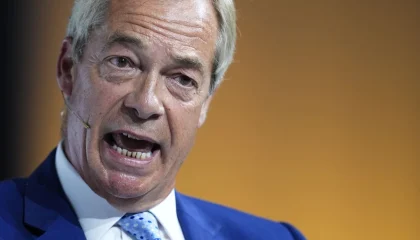
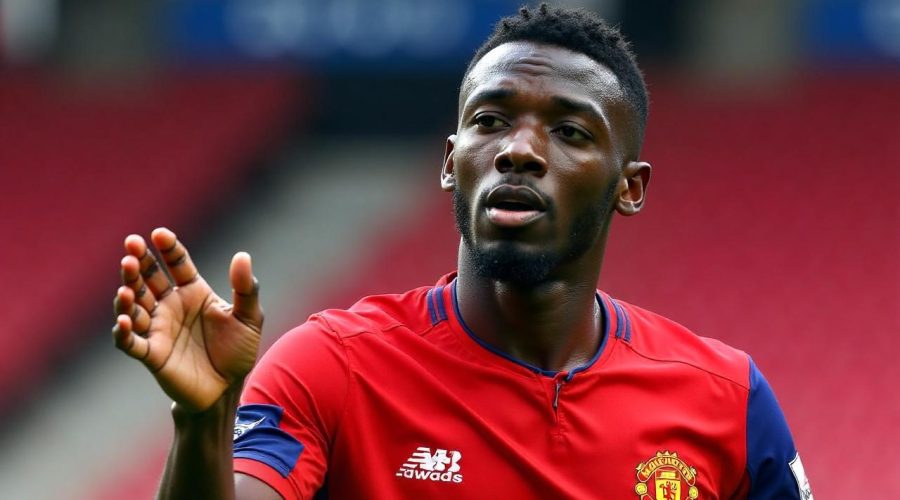
Could Keir Starmer intervene in Quansah – Speculation has surfaced that Sir Keir Starmer, the UK’s Prime Minister, might step in to challenge the red card suspension of England’s defender Jarell Quansah, following reports that Donald Trump played a role in overturning a similar ban for US striker Folarin Balogun. The idea of political interference in football decisions has sparked debate, with the education minister Olivia Bailey hinting at the potential for such action.
A Controversial Red Card at the Estadio Azteca
Jarell Quansah, an England international, faces the prospect of missing the World Cup quarter-final against Norway after receiving a straight red card during the match against Mexico. The incident occurred in the second half at the Estadio Azteca, where Quansah’s sliding tackle on Mexico’s Jesus Gallardo left the player injured. Referee Alireza Faghani initially allowed play to continue, but the video assistant referee (VAR) later reviewed the footage on the pitch-side monitor. This led to Quansah’s dismissal for violent conduct, resulting in a one-match ban.
“What I’m supposed to say is politicians shouldn’t interfere in sports,” said Education Minister Olivia Bailey during an interview with Sky News. “But knowing the Prime Minister, he’s probably already texting him. Whatever we need to do, it’s coming home.”
The decision to suspend Quansah has raised questions about consistency in disciplinary rulings. Tuchel, the England manager, has questioned whether the red card was justified, suggesting the team might need to adjust their defensive strategy for the upcoming quarter-final. Fitness concerns over Reece James, who is also a candidate for the right-back position, add to the pressure of making a lineup choice.
Trump’s Influence on Balogun’s Ban Lift
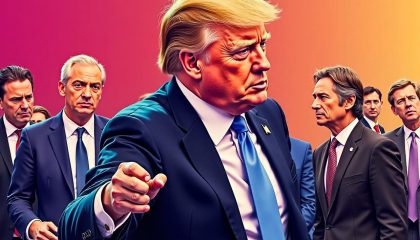
The incident with Quansah follows a similar situation involving US striker Folarin Balogun, whose one-match ban was reportedly lifted after President Donald Trump lobbied FIFA. Balogun had received a red card in a previous game against Bosnia and Herzegovina, but the disciplinary committee decided to reinstate him for the match against Belgium. FIFA cited its rules, which permit suspensions to be overturned if the incident is not tied to match-fixing.
Balogun’s return to action has been celebrated by the US team and Trump himself, who praised the decision on social media, calling it a “reversal of a great injustice.” However, the move has also highlighted the growing role of political figures in influencing sports governance. This has led to speculation about whether Starmer might follow a similar path to support Quansah’s case.
Thomas Tuchel, England’s manager, humorously suggested that Harry Kane should approach Trump to request a review of Quansah’s red card. “Maybe!” he added with a smile, drawing attention to the unexpected political angle in the World Cup drama.
Tuchel has expressed frustration over the inconsistency in red card decisions, questioning whether the same scrutiny would apply to other players. For instance, he noted that Declan Rice had received a yellow card in the first minute of the match, while Quansah’s dismissal was deemed a red card. This discrepancy has fueled concerns about fairness in the application of the disciplinary code.
Broader Implications for Sports Governance
The cases of Quansah and Balogun underscore the increasing intersection between politics and sports. While FIFA maintains that its disciplinary decisions are based on objective criteria, the involvement of high-profile figures like Trump has introduced a layer of subjectivity. Critics argue that such interventions could undermine the integrity of the game, while supporters claim they demonstrate the importance of diplomatic influence in resolving disputes.
Balogun’s suspension was lifted under FIFA’s rule that allows red cards to be overturned if the incident does not involve match-fixing. This provision has been used in the past, but the speed and clarity of the decision have drawn attention. The disciplinary committee’s rationale, which includes a one-year probationary period for Balogun, suggests a balance between accountability and flexibility.
Reactions from Fans and Media
The suspension of Quansah has sparked mixed reactions among fans and analysts. While some support the decision to maintain discipline, others criticize the lack of transparency in the VAR review process. Meanwhile, the media has focused on the broader implications of political interference, with headlines like “Londoners Pull Sickies After England’s World Cup Win” capturing the public’s enthusiasm for the team’s performance.
Following England’s victory over Mexico, thousands of Londoners reportedly took the day off to celebrate in pubs, a trend that has become common during major international matches. This widespread support for the team has added to the pressure on FIFA to remain impartial in disciplinary matters. However, the events surrounding Quansah’s suspension have introduced a new dimension to the conversation.
Looking Ahead to the Quarter-Finals
With Quansah’s suspension set to impact the team’s lineup, England’s manager faces a critical decision for the upcoming quarter-final against Norway. The absence of a key defender may force tactical adjustments, particularly in the right-back position, where Reece James’ fitness is also under review. The challenge lies in maintaining defensive solidity while adapting to the new circumstances.
The incident has also raised questions about the role of technology in officiating. The VAR system, which was instrumental in Quansah’s dismissal, has been both praised and scrutinized for its ability to ensure accuracy. However, the case has highlighted the potential for human error and the importance of clear guidelines in high-stakes matches.
Political Power in Sports
The possibility of Starmer intervening in Quansah’s case reflects a broader trend of political leaders using their influence to shape outcomes in sports. From Trump’s advocacy for Balogun to potential UK government involvement, the line between governance and advocacy is becoming increasingly blurred. This phenomenon has sparked discussions about the need for transparency and fairness in how disciplinary decisions are made.
As the World Cup progresses, the focus on Quansah’s suspension and Balogun’s reinstatement will likely continue. The cases serve as a reminder of the global reach of sports and the diverse factors that can affect a player’s fate. Whether political interference is a necessary tool or a threat to impartiality remains a topic of debate, especially as the competition intensifies and the stakes grow higher.
Additional Coverage
Meanwhile, fans are celebrating England’s World Cup success, with reports of Londoners taking the day off to watch the match. The team’s thrilling victory over Mexico has reignited national pride, and the atmosphere in the capital has mirrored this excitement. However, the controversy surrounding Quansah’s suspension has kept the spotlight on the decision-making process within FIFA.
Other headlines from the World Cup include updates on Jordan Henderson’s injury, who was taken to the hospital after a freak accident during celebrations. The incident has raised concerns about player safety, particularly in the aftermath of high-intensity matches. Additionally, transfer news continues to unfold, with Arsenal reportedly interested in a striker deal and Manchester United considering a move for Santos.
As the tournament moves forward, the England team will need to navigate both on-field challenges and off-field scrutiny. The question of whether political figures will continue to play a role in shaping outcomes will be closely watched, especially in a high-profile match like the quarter-final against Norway. The outcome of Quansah’s case could set a precedent for future disciplinary decisions, influencing how sports governing bodies handle controversies in the global spotlight.