Rail Company Advises Travelers to Plan Journeys Carefully Amid Escalating Heatwave
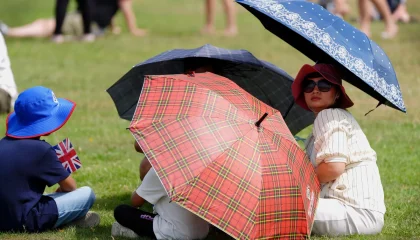
Rail company urges to only travel – As the UK’s heatwave intensifies, train operators are implementing measures to ensure safety, urging passengers to consider travel only when necessary. With temperatures projected to reach 35°C in certain regions this week, rail services have seen cancellations and reductions in speed to mitigate risks associated with extreme weather conditions.
Heatwave Conditions Prompt Railway Adjustments
The Met Office confirmed that the UK has entered its third heatwave in three months, with the southern regions officially meeting the criteria on Monday evening. This follows three consecutive days of temperatures exceeding 28°C, according to the weather service. Heatwave conditions are expected to spread further, with more areas likely to hit their local thresholds by the weekend.
East Midlands Railway (EMR) has issued specific guidance, advising customers to plan trips before 12:00 pm this week to avoid peak heat. The company highlighted potential disruptions across its network, emphasizing the importance of checking updated timetables before heading to the station. Regional services between Nottingham and Worksop, as well as Nottingham and Leicester, will be suspended from 12:00 pm on Wednesday to reduce strain on the railway infrastructure.
“Due to the intense weather, we are making temporary adjustments to our services to maintain safety,” said Philippa Cresswell, EMR’s customer experience director. “If your journey is essential, we recommend traveling early and verifying your route details beforehand.”
These changes are necessary because high temperatures can cause rail tracks to buckle, overhead electric wires to sag, and even lineside fires. Steel rails, in particular, may surpass 50°C when air temperatures reach 30°C. EMR also noted that some services will operate at reduced speeds to prevent overheating and ensure passenger safety.
Regional Impacts and Health Advisories
While southern England faces soaring temperatures, a north-south disparity remains. Scotland is expected to experience cooler conditions with stronger winds and rain, keeping temperatures near average for the season. However, by the weekend, the warm air is anticipated to extend northward, bringing increased humidity and a risk of showers or thunderstorms in northern areas.
The UK Health Security Agency (UKHSA) has issued amber heat health alerts for the Midlands and southern England from 9:00 am on Wednesday to 9:00 pm on Sunday. These alerts signal a heightened risk of health-related issues, including a potential surge in deaths among older adults and those with preexisting conditions. Yellow alerts for Yorkshire and northern England warn of possible water-related incidents, such as cold water shock and drowning risks, as temperatures rise.
“Customers can and should still travel as normal, but taking precautions is vital,” stated Daryn McCombe, performance director at Great Western Railway (GWR) and Network Rail. “We are adjusting a few services during the hottest hours to prioritize safety, and we apologize for any inconvenience this may cause.”
GWR and Network Rail have joined EMR in advising travelers to allow extra time for their journeys and carry water. These rail operators emphasized that while disruptions are expected, safety remains their top priority. EMR’s plans for Thursday and Friday are still under review, with customers urged to monitor updates before traveling.
Broader Weather Trends and Public Response
As the heatwave progresses, parts of southern England are forecast to see temperatures peak at 33°C on Wednesday and 34°C on Thursday. Isolated areas may even reach 35°C by Friday and Saturday, creating conditions that could lead to “tropical nights” as per the Met Office warning. This means nighttime temperatures could remain unusually high, affecting sleep patterns and increasing health risks.
Despite the challenges, public engagement with the heatwave has been notable. Nine million people stayed up until 4:00 am to witness England’s World Cup match against Mexico, showcasing the nation’s enthusiasm for sporting events during extreme weather. However, the heat has also prompted concerns about health impacts, with the UKHSA stressing the need for vigilance in vulnerable populations.
Long-Term Weather Outlook and Community Resilience
The Met Office highlighted that the heatwave is not a short-lived phenomenon, with the potential for extended high temperatures. This has raised questions about the long-term effects on infrastructure and daily life. Meanwhile, communities are adapting by seeking shade, staying hydrated, and adjusting schedules to avoid the hottest parts of the day.
While EMR focuses on rail safety, other sectors are also preparing for the heat’s impact. Health services are on alert for increased demand, particularly in the Midlands and southern regions. The agency has called for public cooperation to ease the burden on healthcare providers, emphasizing that proactive measures can help reduce the strain on the system.
As the week unfolds, the railway network will continue to monitor conditions and adjust operations accordingly. Passengers are encouraged to stay informed through official channels and remain flexible with their travel plans. The combination of rising temperatures and the ongoing heatwave has created a unique set of challenges, but with careful planning and collaboration between rail companies and health authorities, the public can navigate these conditions with minimal disruption.
Additional Context: Regional Weather Variability
Although the heatwave has dominated the southern regions, the north remains cooler. Scotland, for instance, is predicted to have outbreaks of rain and stronger winds on Tuesday evening, which may temper the effects of the heat. This regional variation underscores the importance of localized forecasts and adaptive responses. However, the Met Office anticipates that the warm air will eventually reach northern parts, leading to more humid conditions and a potential increase in heat-related incidents.
The prolonged heatwave has also sparked discussions about climate resilience. Experts note that such extreme weather events are becoming more frequent, highlighting the need for infrastructure upgrades and emergency protocols. Meanwhile, the public’s reaction to the heatwave has been mixed, with some embracing the warm weather for outdoor activities and others facing challenges in maintaining comfort and safety.
Overall, the heatwave serves as a reminder of the delicate balance between convenience and safety. As temperatures climb, rail companies, health organizations, and communities are working together to minimize risks and ensure that essential travel remains possible. The coming days will test these efforts, but with clear communication and timely adjustments, the impact on daily life can be managed effectively.
For those planning to travel this week, the key message is to stay informed and flexible. EMR and other operators are committed to providing updates, and the UKHSA continues to monitor health impacts closely. As the nation copes with the heat, the resilience of both the infrastructure and the people will be crucial in overcoming the challenges posed by this prolonged period of extreme weather.