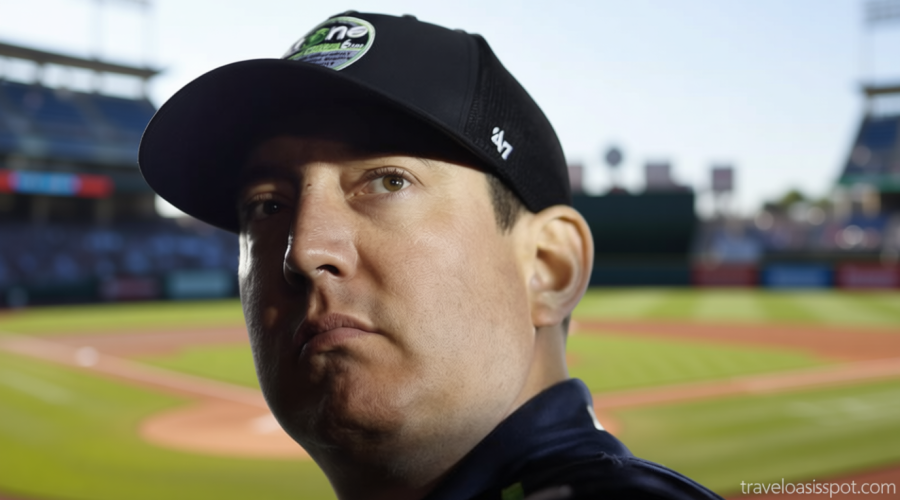
A Sudden Loss That Stunned the Racing World
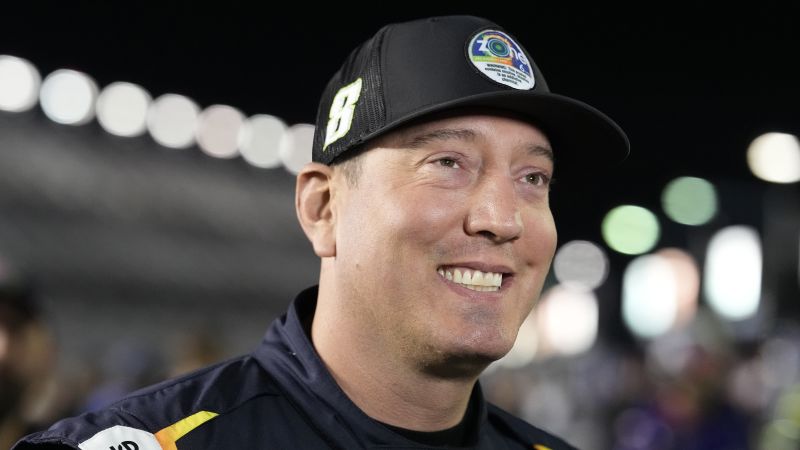
Kyle Busch s death shattered the racing – The racing community was thrown into turmoil when Kyle Busch, a two-time NASCAR Cup Series champion, passed away at the age of 41. His untimely death occurred just days before one of the sport’s most anticipated events, the Coca-Cola 600 at Charlotte Motor Speedway, which was set to mark a pivotal moment in the racing calendar. On Thursday, his family revealed that Busch would not compete in the race due to a severe illness, a decision that seemed to hint at a darker turn. Hours later, the devastating news broke: Busch had succumbed to his condition, leaving fans, drivers, and officials reeling from the loss.
NASCAR’s Response and Emotional Impact
In a press conference on Friday, NASCAR CEO Steve O’Donnell reflected on the profound effect Busch’s death had on the sport. “Kyle Busch epitomizes the spirit of a NASCAR racer—his passion, his talent, and the relentless drive that made him a force to be reckoned with,” he said. “The sport was truly fortunate to have him, and I believe the entire racing world feels the same. Without him, our weekly gatherings and family moments will never be the same, but we will strive to honor his memory and support his loved ones as best as we can.”
“To me, Kyle Busch just defines what it means to be a racer in NASCAR, everything about it – the fire, the greatness, the heart that sometimes you rarely saw. The sport was truly lucky to have him, and I believe I can speak for everybody in the sport, and I’ll just say this for me personally, the family reunions week to week are just not going to be the same without him, but we’re going to do our damn best to continue his legacy and support his family.”
The Polarizing Legacy of a Racing Icon
Kyle Busch was as much a controversial figure as he was a celebrated driver. Known for his fiery on-track demeanor and ability to captivate both fans and critics, he often played the role of the antagonist, earning a reputation for intensity that many found admirable. Yet, his passionate following ensured he remained a beloved figure in the sport. His ability to spark debates—whether for his aggressive tactics or his unapologetic style—was a hallmark of NASCAR’s dynamic nature. As the racing world grappled with the reality of his passing, many began to see his polarizing persona as a key ingredient to the sport’s enduring appeal.
Brexton Busch and the Continuation of a Legacy
Busch’s legacy is now being carried forward by his 11-year-old son, Brexton, who has already shown promise as a young racer. With a string of victories in local and regional competitions, Brexton has become a symbol of hope for the Busch family and fans alike. Richard Childress Racing, his team, announced plans to retire the iconic No. 8 car in tribute, but emphasized that it would remain a powerful emblem for the future. “The No. 8 is reserved and ready for Brexton when he’s prepared to step into the spotlight,” the team stated. This decision underscores the intergenerational bond within the sport and the belief that Kyle’s spirit will live on through his son’s ambitions.
The Medical Emergency That Led to Tragedy
Busch’s final days were marked by a series of alarming health developments. Just days before the Coca-Cola 600, he had competed in the NASCAR Cup Series race at Watkins Glen, New York, on May 10, where he hinted at his declining condition. During the race, Busch asked his team to arrange for a doctor to be on standby after the event, explaining he “was going to need a shot.” The broadcast noted he had been struggling with a severe sinus cold, and he had mentioned a persistent cough during a pre-race interview in Dover. Despite these signs, Busch managed to win the NASCAR Truck Series race at Dover on May 17, a victory that seemed to signal a temporary reprieve.
Emergency Call and Final Moments
However, the situation worsened on Wednesday. A 911 call obtained by CNN on Friday provided a chilling glimpse into Busch’s last hours. The caller, whose identity was withheld, described a man in critical condition: “I’ve got an individual that’s experiencing shortness of breath, very hot, thinks he’s going to pass out and producing a little bit of blood—coughing up some blood.” The call indicated Busch was lying on the bathroom floor, conscious and alert, as paramedics were summoned to a training facility in Concord, North Carolina. The caller instructed the ambulance to arrive without sirens, ensuring the fastest possible route to Busch’s location.
“I’ve got an individual that’s (experiencing) shortness of breath, very hot, thinks he’s going to pass out and producing a little bit of blood – coughing up some blood,” the caller said.
Busch’s family later confirmed his hospitalization following the emergency, but details about his health in the days prior were kept private. NASCAR and Richard Childress Racing waited until the next morning to issue a joint statement, announcing his death. The timeline of events—from his initial symptoms to the 911 call and subsequent passing—has left many questioning the rapid progression of his illness. While his health history remains a subject of speculation, the racing world has united in mourning, highlighting the emotional toll of his sudden loss.
A Sport in Grief and Reflection
As the racing community processed the tragedy, tributes poured in from all corners of the sport. Drivers, crew members, and fans shared heartfelt memories of Busch, emphasizing his contributions both on and off the track. His infectious energy and competitive edge had made him a standout, but it was his unwavering dedication to the sport that resonated most. In the wake of his passing, the focus has shifted to ensuring his legacy is not only remembered but also celebrated for its lasting impact. The Coca-Cola 600, once a stage for his brilliance, now serves as a reminder of the fragility of life and the enduring power of his presence in the racing world.
Busch’s death has sparked a renewed appreciation for the athletes who risk their lives for the sport. His ability to blend rivalry with respect has become a defining trait of NASCAR’s character. While the details of his final illness remain unclear, the consensus is that his influence will be felt for generations. The racing world, though shaken, continues to move forward, carrying his memory in every lap, every victory, and every moment of fierce competition. Kyle Busch’s story is far from over—his legacy, both on and off the track, is now etched into the history of NASCAR, a testament to a life that touched many, even in its brief yet extraordinary span.