London Ambulance Service Faces Busiest Day in History During Record Heatwave
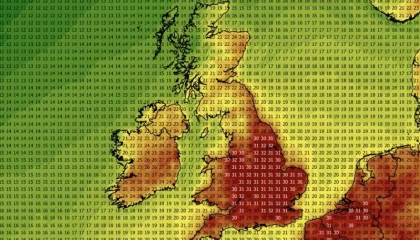
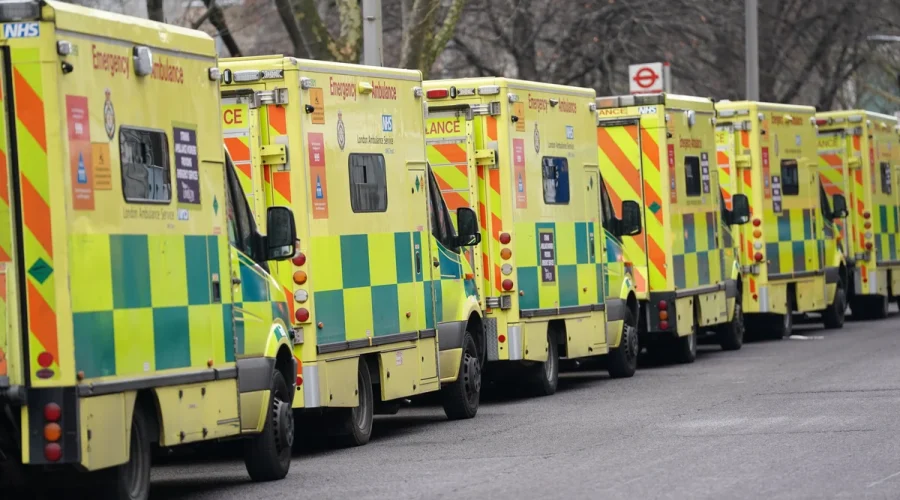
London Ambulance Service experienced its busiest – Friday, June 28, 2024, saw the London Ambulance Service handle its busiest day ever, amid soaring temperatures that reached a record 36.8°C. The extreme heatwave not only tested the city’s infrastructure but also strained emergency services to their limits. With temperatures hitting a new high, the service recorded an unprecedented number of calls, highlighting the impact of the sweltering conditions on public health and safety.
Ambulance Crews Struggle Through Unmatched Demand
The heatwave triggered a surge in heat-related emergencies, with the ambulance service responding to 8,869 calls and 688 critical incidents. These included cardiac arrests, heatstroke cases, and other temperature-induced health crises. The peak of the demand occurred between 6 p.m. and midnight, as over 500 calls per hour overwhelmed the system. This unprecedented workload surpassed even the peak of the pandemic, according to reports from the Daily Mail.
“This was our busiest day in service history. Thank you to every crew and call handler for their tireless efforts,” said the London Ambulance Service in a social media post. “Please use 999 only for life-threatening emergencies.”
Heatwave Disrupts Daily Life and Public Safety
As the temperature climbed, public safety concerns escalated. London bus drivers warned of the dangers of working in the heat, with one driver describing the conditions as “unbearable.” Meanwhile, a notable incident at a Wembley concert saw Harry Styles collapse due to suspected heat exhaustion, underscoring the risks faced by both workers and the general public.
Law enforcement also dealt with unusual situations, including a police intervention at Hampstead Heath when a group of swimmers invaded a local pond. These incidents reflect the heatwave’s broad impact, from transportation to leisure activities, and its effect on the city’s daily operations.
Health Warnings and Community Response
NHS England issued urgent advice to the public, urging them to take heat-related precautions while watching the World Cup. Guidelines included alternating alcoholic drinks with water, seeking shade during peak heat hours, and wearing breathable clothing. Health officials stressed that the heatwave increased the risk of dehydration and heatstroke, with residents advised to monitor for early signs of fatigue.
Craig Harman, Chief Operating Officer of the London Ambulance Service, praised the dedication of staff, stating, “Our team has worked tirelessly through the hottest days of the year and the busiest period in our history to ensure care for Londoners.” Despite deploying over 400 extra crews, demand for services remained high throughout the week.
Long-Term Consequences of the Heatwave
Even after the critical incident was declared between 10 p.m. and 1:30 a.m., emergency crews continued to respond to calls into Saturday. The heatwave’s effects were widespread, affecting everything from medical emergencies to transportation safety. This demonstrates how extreme weather can create interconnected challenges for urban life and infrastructure.
Regional Impacts and Political Discourse
Politicians drew attention to the regional disparities exacerbated by the heatwave. Andy Burnham noted that London and southern areas were facing more severe conditions, tying the crisis to broader economic issues. His remarks framed the event as a symbol of unequal vulnerability to climate extremes, adding a socio-economic layer to the environmental story.
Preparedness for Future Heat Events
As the heatwave subsided, experts called for improved preparedness strategies. The London Ambulance Service reiterated the need to maintain emergency protocols, while NHS England urged residents to stay hydrated and adopt safer behaviors during the remaining warm days. The city’s resilience was evident, but the experience underscored the importance of adapting to increasingly frequent extreme weather events.