
Britain s biggest water firm announces: Thames Water Implements Hosepipe Restrictions for Millions Amid Severe Drought Conditions Major Water Company
Thames Water Implements Hosepipe Restrictions for Millions Amid Severe Drought Conditions
Major Water Company Announces Temporary Use Ban
Traveloasisspot.com – Thames Water, recognized as the United Kingdom’s largest water utility provider, has officially declared a comprehensive hosepipe ban that will impact approximately 10.1 million residential and commercial customers. This significant measure comes as extensive regions across the nation approach official drought designation following weeks of exceptionally dry and warm weather patterns.
The restriction, formally classified as a temporary use ban or TUB, is scheduled to commence precisely at 12.01am on Thursday morning. The scope of this prohibition encompasses all customers receiving drinking water supplies throughout London, the Thames Valley region, and the Home Counties. Notably, customers who utilize only waste water services remain exempt from these new limitations.
Under the terms of this ban, residents and businesses must refrain from utilizing hosepipes for several common outdoor activities. These include watering domestic gardens, washing vehicles and windows, and filling recreational water features such as paddling pools, hot tubs, and swimming pools. The restriction represents one of the most significant water conservation measures implemented in recent years.
Wider National Context and Environmental Factors
Thames Water joins a growing number of utility companies that have introduced similar temporary use bans over recent weeks. Government officials have confirmed that approximately 23 million people throughout England are currently subject to, or anticipating, water usage restrictions of various kinds.
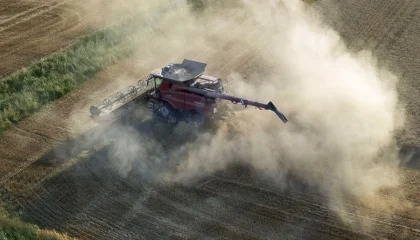
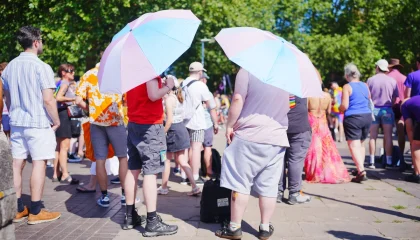
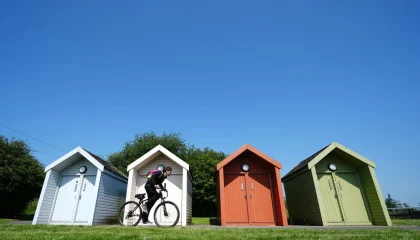
The timing of these announcements coincides with persistent dry and hot conditions affecting substantial portions of the country. This situation follows three consecutive heatwaves and represents the driest spring season recorded for both England and Wales in modern meteorological history. These compounding weather patterns are creating rapidly intensifying pressure on national water resources.
The hot weather is simultaneously increasing demand through multiple channels. Residents are consuming more water to maintain personal comfort, gardeners are watering plants more frequently, agricultural operations require additional irrigation for crops, and infrastructure maintenance needs are rising. The Environment Agency has officially declared “prolonged dry weather” across eight distinct regions: East Anglia, the West Midlands, Devon, Cornwall, Lincolnshire, Northamptonshire, Hertfordshire, and London. Additional areas affected include Wessex, Thames, Solent, and the South Downs.
Reservoir and River Levels Show Concerning Trends
These eight designated areas now sit just one stage away from achieving official drought status. The regulatory body has also identified six reservoirs currently maintaining “notably low” water levels. These include Wimbleball in Somerset, Grafham in Cambridgeshire, and Hanningfield in Essex, among others.
River levels present an equally concerning picture. Only 13 percent of rivers are currently classified at normal levels for this particular time of year. Several waterways including the Avon in Hampshire, the Cam, the Derwent in Yorkshire, the Swale, the Tone, the Wye, and the Yare are experiencing exceptionally low levels that could worsen without significant rainfall.
Customer Impact and Company Response
Thames Water reports that water demand is currently running 10 percent above normal levels in the Thames Valley and Home Counties regions, while London is experiencing demand 7 percent above typical figures. Together, these elevated consumption patterns mean customers are utilizing an additional 100 million litres of water each day compared to standard usage.
The company has committed to maintaining close monitoring of the situation and will remove restrictions as soon as conditions allow. Nevil Muncaster, director of strategic water resources at Thames Water, emphasized the necessity of the decision: “We would not be taking this step unless it was necessary to protect water supplies for everyone and the environment.” He further explained that while sufficient water exists for essential purposes, reducing non-essential outdoor consumption remains critical to maintaining reliable supplies.
Muncaster noted that operational teams are working continuously to maintain water flow, repair leaks, and provide customer support throughout this challenging period. While the firm typically prepares for dry weather and increased summer demand, the current scale and duration of elevated consumption is having what the company describes as a “significant impact” on available resources.
Broader Industry Response and National Coordination
Other water companies have implemented parallel measures. On Monday, South East Water announced that its existing hosepipe ban in Kent would expand to include portions of Surrey, Sussex, Hampshire, and Berkshire beginning Saturday. Southern Water customers across Hampshire and the Isle of Wight, along with South West Water customers in parts of Devon and Lyme Regis in Dorset, are already subject to similar restrictions.
Additionally, customers of Cambridge Water, Affinity Water, and Anglian Water, who serve areas throughout the East of England, have introduced their own conservation measures. The National Drought Group, which coordinates efforts between the Met Office, government bodies, regulators, water companies, farmers, and conservation specialists, has confirmed that members have intensified their response activities.
This enhanced coordination includes heightened incident response capabilities, additional monitoring systems, and improved cross-sector and public communication channels. Helen Wakeham, chairwoman of the National Drought Group and director of water at the Environment Agency, expressed appreciation for public cooperation: “All sectors are taking action, and we are grateful to the public for following the restrictions, where in place, to make sure there is enough water for everyone this summer.” She added that conservation efforts benefit not only human populations but also nature and agriculture.
“While there is enough water for essential use, we need to reduce non-essential outdoor demand to keep taps flowing.”
“All sectors are taking action, and we are grateful to the public for following the restrictions, where in place, to make sure there is enough water for everyone this summer. We want everyone to stay safe and hydrated during the hot weather but every drop we can save is a drop more for nature and agriculture.”
Related SEO Topics
- Home
- Artikel terkait Britain s biggest water firm announces
- Andy Burnham and Irish premier discuss legacy and Ukraine in first phone call
- West Ham sanction Crysencio Summerville exit as €70m transfer hijack agreed
- Matt Damon hails Scottish football fans’ Boston takeover as ‘epic’
- Alejandro Garnacho nears Chelsea FC exit as Aston Villa plot loan move for unwanted star
Frequently Asked Questions
Apa itu Britain s biggest water firm announces?
Britain s biggest water firm announces adalah topik utama yang dibahas di artikel ini dengan konteks praktis agar pembaca memahami informasinya dengan jelas.
Mengapa Britain s biggest water firm announces penting?
Britain s biggest water firm announces penting karena membantu pembaca membandingkan pilihan, menghindari kesalahan umum, dan mengambil keputusan yang lebih tepat.
Bagaimana cara memakai panduan Britain s biggest water firm announces ini?
Gunakan poin utama, contoh, dan tautan terkait di halaman ini sebagai rujukan awal, lalu cek detail terbaru sebelum mengambil keputusan final.