Emergency Services Prepare for Renewed Wildfire Threat as Fourth Heatwave Approaches
Traveloasisspot.com – Across the United Kingdom, emergency response teams are positioning themselves for additional wildfire incidents as meteorologists predict the nation’s fourth heatwave of the summer season. This developing weather pattern follows a particularly demanding period for fire services, who have been managing multiple blaze incidents simultaneously across the country.
During the peak of the third heatwave in mid-July, firefighting crews found themselves confronting nineteen major wildfires at the same time throughout England and Wales. This unprecedented situation highlighted the mounting pressure on emergency services dealing with extended periods of hot, dry conditions that create ideal circumstances for vegetation fires to ignite and spread rapidly.
European Wildfire Crisis Continues
While British firefighters manage domestic challenges, mainland Europe has experienced devastating wildfire activity this week. The situation in France has been particularly severe, with approximately 220,000 residents forced to abandon their homes in the south-western regions of the country. Meanwhile, Spain has seen 116,000 people evacuated from areas threatened by spreading flames.
These European figures underscore the broader continental challenge posed by rising temperatures and changing weather patterns. The simultaneous occurrence of major fires across multiple nations suggests that the issue extends beyond individual countries and represents a significant regional concern requiring coordinated response efforts.
Heatwave Thresholds Under Review
A Met Office meteorologist has indicated that the United Kingdom may need to modify its heatwave classification thresholds to reflect the warming climate. This adjustment comes as temperature records have been repeatedly surpassed throughout the current year, suggesting that previous definitions may no longer accurately represent extreme heat conditions.
Senior Met Office meteorologist Marco Petagna explained that certain county heatwave thresholds were increased by one degree approximately four or five years ago. However, he emphasized that further adjustments will be necessary going forward. “Going forward they’ll need to be adjusted to take into account… current climate, otherwise we’re going to more frequently go into heatwaves. It’s a moveable thing, really, as we go through a warming world,” he stated.
Current Weather Forecast and Alerts
The National Fire Chiefs Council spokesperson provided an update on preparations: “With the Met Office warning that a fourth heatwave could develop this week, bringing another period of very hot weather to parts of the UK, fire and rescue services remain on alert and are continuing to prepare for renewed wildfire risk.”
The spokesperson noted that managing nearly twenty concurrent wildfires demonstrates “the scale of the challenge posed by the prolonged hot, dry conditions.” They added: “Most wildfires are preventable and we are asking everyone to play their part in helping to protect our communities, wildlife and natural spaces, while easing the pressure on firefighters who have already faced an exceptionally challenging summer.”
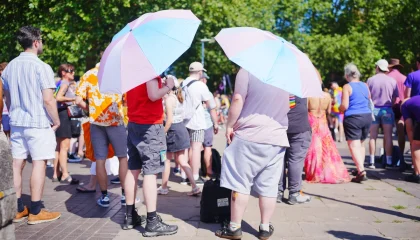
Although temperatures cooled, winds strengthened, and scattered rainfall occurred over the weekend for many regions, southern England is expected to meet heatwave criteria once again on Wednesday. Maximum temperatures could reach between 32 and 33 degrees Celsius, with additional areas following suit on Thursday.
A yellow heat alert has been issued from 9am Tuesday through 9am Friday covering the East and West Midlands, the south-east, south-west and east of England, as well as Yorkshire and the Humber region.
Health and Environmental Impacts
The UK Health Security Agency has issued warnings regarding potential “significant impacts” on health and social care services. These concerns include increased mortality rates among elderly populations and individuals with pre-existing health conditions, alongside a projected rise in drowning incidents.
Forecasters anticipate this week’s hot spell will create a “north-south split” across the country. Cloud cover and rain showers are expected to persist in Northern Ireland, Scotland, and northern England, while southern regions experience continued warmth.
Senior Met Office meteorologist Dan Stroud described the peak heat as “almost a blink and you miss it,” noting that temperatures will widely cool toward average levels by the weekend. Provisional Met Office data indicates July has been 3 degrees Celsius above the UK average so far this month.
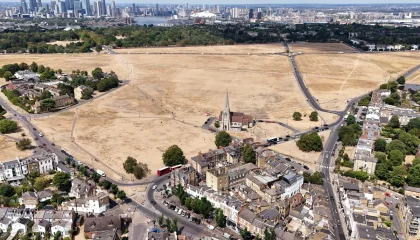
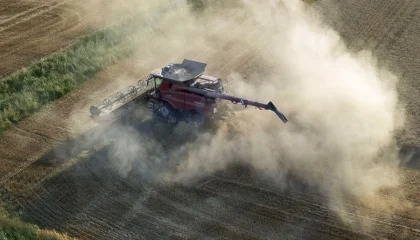
Moisture levels remain critically low across much of the country. Southern England has received only 1 percent of its typical July rainfall, while England as a whole has recorded 5 percent, and the entire UK has seen just 20 percent of normal precipitation. This extended dry period has contributed to reduced water levels, prompting North Wales and the Upper Severn to become the first UK regions to officially declare drought status on Thursday.
According to Met Office data utilized by Natural England and Natural Resources Wales, fires that do ignite are likely to become exceptionally severe on Wednesday in pockets of eastern, southern, and south-eastern England. The “exceptionally severe” warnings specifically focus on eastern England on Thursday.
The Fire Severity Index, which examines rainfall, temperature, and humidity data, helps agencies evaluate potential fire intensity if blazes occur. It is important to note that this index does not measure the probability of wildfires starting, but rather assesses their potential severity once ignited.
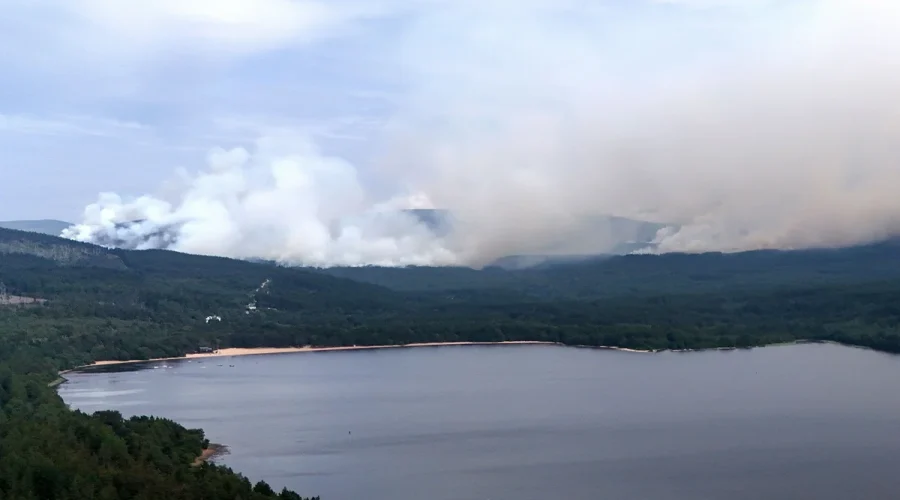
Emergency crews have already dedicated multiple days to combating substantial wildfires in Wales and Scotland, incidents that necessitated the evacuation of residents from their homes. These ongoing efforts demonstrate the sustained commitment required from emergency services throughout this challenging summer season.
Related Reading
Frequently Asked Questions
What is UK braced for more wildfires as fourth?
UK braced for more wildfires as fourth is the main topic of this guide. The article explains the context, practical details, and next steps readers should understand.
Why does UK braced for more wildfires as fourth matter?
UK braced for more wildfires as fourth matters because readers are looking for a useful answer, not just a short summary. Good content should match search intent and help them decide what to do next.