Wildfire Threat Persists Across Britain Following Record-Breaking Heat
Traveloasisspot.com – Authorities have cautioned that the danger from wildfires continues to be high throughout the United Kingdom, with emergency services documenting over two hundred separate incidents during the previous two weeks. This warning arrives as the nation braces for additional intense heat, marking the fourth heatwave of 2026. Meteorologists predict temperatures could climb to thirty-five degrees Celsius across south-eastern regions by Wednesday afternoon.
According to an evaluation by the Met Office, fire conditions could become particularly dangerous on Wednesday if blazes ignite in London, the South East, and eastern England. These areas are experiencing unusually hot and dry weather patterns that create ideal conditions for rapid fire spread. The UK Health Security Agency has consequently issued an amber heat-health alert covering the East Midlands, the East region, the South East, and London. This advisory remains active from Tuesday through Thursday, with officials noting that increasing temperatures pose heightened health dangers, especially for elderly residents and those with pre-existing medical conditions.
Emergency Response Statistics
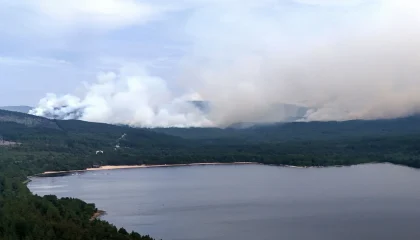
The National Fire Chiefs Council reported that fire and rescue organizations across England and Wales have already tackled seven hundred and six wildfires this year. Between July sixteenth and twenty-eighth alone, two hundred and eight separate incidents were logged. These figures exclude events occurring elsewhere in the UK, such as a significant blaze in Scotland’s Cairngorms region. Council representatives emphasized that these numbers demonstrate how rapidly wildfire activity intensifies during extended periods of dry weather.
Fire officials reiterated that elevated risk levels persist nationwide, with the NFCC confirming that eight active wildfire incidents are currently being tracked through national monitoring systems. In Derbyshire, firefighters are making steady progress at the major incident at Tintwistle Moor, where sixty personnel were deployed on Tuesday to contain the spreading flames.
Climate Change and Future Outlook
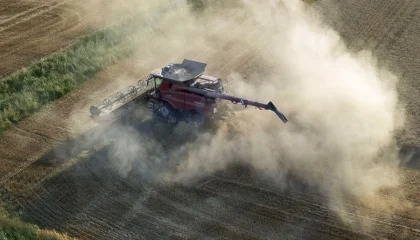
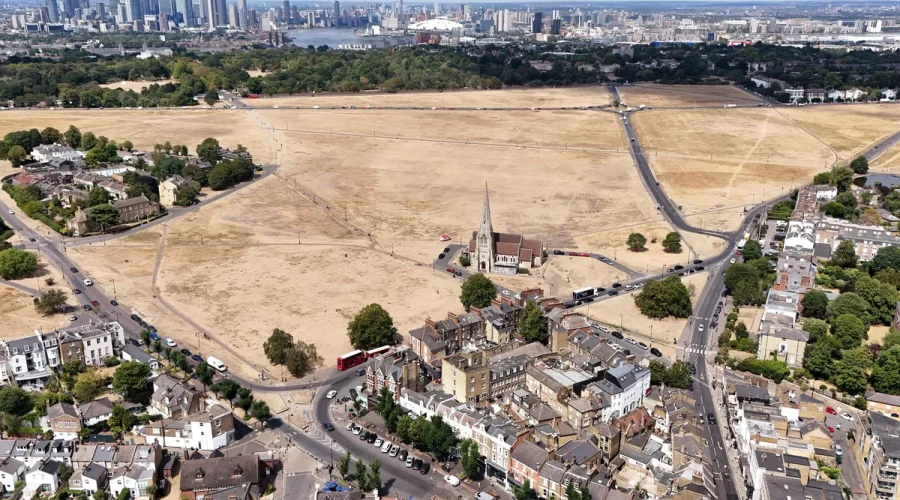
Although wildfire totals in England and Wales remain below the seven hundred and eighty-eight incidents recorded at this same time last year, officials warn that ongoing dry conditions, combined with warmer temperatures and agricultural harvesting activities in rural zones, are creating environments where fires can ignite and propagate quickly. Visual documentation has revealed extensive brown grass covering Blackheath in London, while numerous capital city parks have experienced parched vegetation following the sustained hot weather.
Royal Parks personnel received guidance to avoid positioning deckchairs beneath trees, citing concerns that branches might detach during extreme heat. Meanwhile, large-scale wildfires across European nations including Spain, France, and Greece have triggered evacuations, caused environmental destruction, and strained emergency response resources.
The NFCC noted that British blazes typically differ in scale and nature from those experienced in southern Europe. However, the organization cautioned that long-term climate change effects are increasing the probability of larger, more complicated, and resource-intensive wildfire events occurring in the UK. Phil Garrigan, chairman of the NFCC, provided insight into these developments:
More than 200 wildfires in just 12 days shows how quickly the risk can escalate when hot, dry conditions take hold.
The scenes we’re seeing across parts of Europe are a stark reminder of what a changing climate means for fire and rescue services.
We are not seeing fires of that scale in the UK today, but the science tells us we should expect larger, more frequent and more complex wildfires in the future.
That’s why we need continued investment in specialist wildfire capabilities, including aerial firefighting support, so we’re prepared for the risks ahead.
But prevention remains our strongest defence. Most wildfires are avoidable, and we’re asking everyone to take extra care during the hot weather to help keep their communities safe.
Prevention and Public Response
Fire authorities emphasized that numerous wildfires originate from routine human activities. They recommended that the public dispose of cigarettes properly, refrain from using disposable barbecues in open areas, and collect litter when leaving outdoor spaces. These simple actions can substantially decrease the likelihood of fires igniting.
Provisional data from the Met Office indicates that July has run three degrees Celsius above the historical average across the UK, potentially ranking it among the three or four warmest Julys on record. Officials urged citizens to report any fire sightings immediately by dialing 999 and requesting fire and rescue assistance. Additionally, a spokesperson for the Ministry of Housing, Communities and Local Government highlighted that the government is investing nearly one hundred million pounds to replace equipment used for tackling wildfires, including dedicated resources for aerial firefighting operations.
Related Reading
Frequently Asked Questions
What is UK wildfire risk remains elevated after?
UK wildfire risk remains elevated after is the main topic of this guide. The article explains the context, practical details, and next steps readers should understand.
Why does UK wildfire risk remains elevated after matter?
UK wildfire risk remains elevated after matters because readers are looking for a useful answer, not just a short summary. Good content should match search intent and help them decide what to do next.