Metropolitan Police Officer Found Guilty of Assaulting Colleague with Pepper Spray
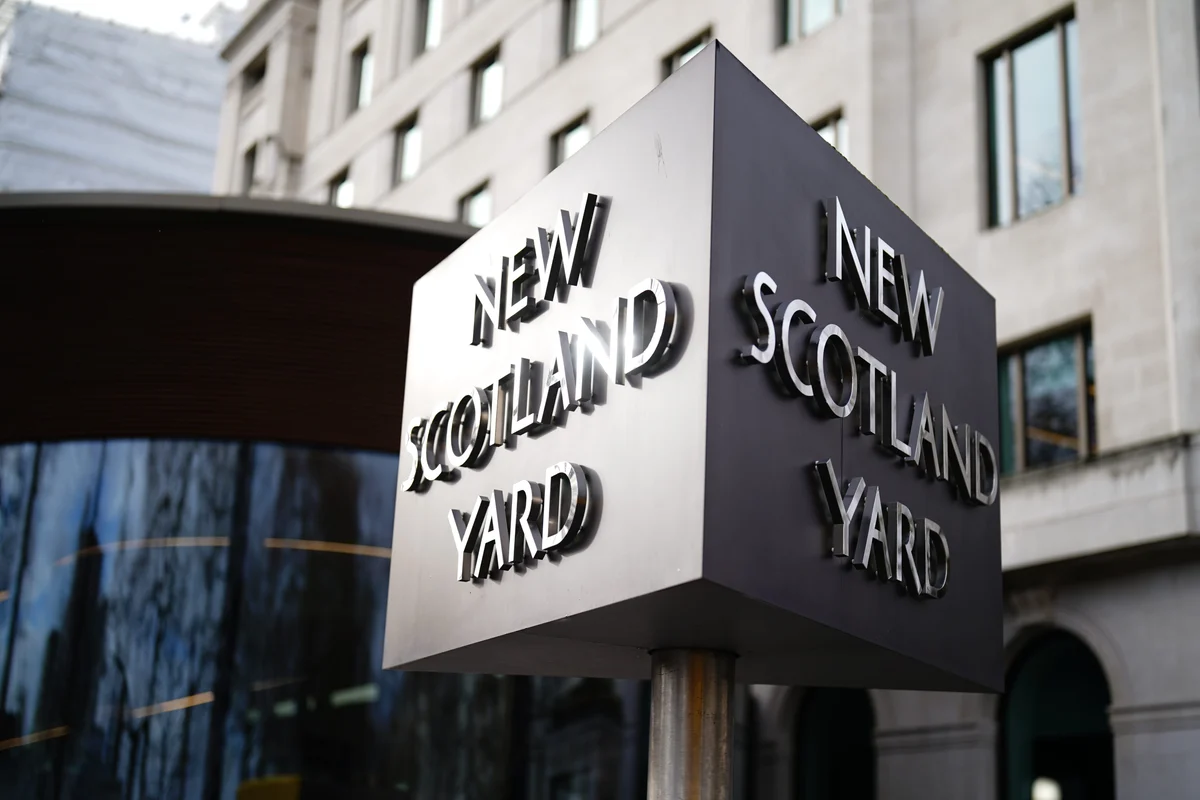
Traveloasisspot.com – A serving Metropolitan Police constable is now confronting the possibility of dismissal from the force after a court determined he committed common assault by deploying his issued PAVA spray against a fellow officer. The conviction marks a significant moment for internal accountability within one of London’s most prominent policing units. PC Adam Sahel, aged 34 and currently assigned to the Met’s specialized Taskforce, received his verdict at Southwark Crown Court on Wednesday. The judicial proceedings revealed a confrontation that escalated beyond professional boundaries, resulting in both criminal charges and potential disciplinary action. The incident in question occurred on August 26, 2023, within the courtyard area of Catford police station. According to testimony presented during the trial, Sahel approached a junior colleague and deployed his PAVA spray directly into the younger officer’s face. PAVA, or pelargonic acid vanillylamide, is a chemical compound commonly used in police equipment as a non-lethal deterrent. It causes intense burning sensations in the eyes and respiratory system, temporarily incapacitating those exposed to it. What followed the physical assault was an attempt by Sahel to manage the narrative surrounding the incident. Court documents indicate that the senior officer approached the victim and requested that he provide false information to supervisory staff if questioned about the spray deployment. Sahel reportedly warned that admitting the truth could potentially harm the junior officer’s career trajectory within the Metropolitan Police. Further testimony revealed that Sahel made additional efforts to explain away the visible effects of the PAVA spray. The victim’s eyes were noticeably irritated and red following the incident. Sahel suggested to other colleagues present that these symptoms might have resulted from the victim crying or suffering a separate injury, rather than the spray application. Despite these coordinated attempts to prevent disclosure, both the affected officer and multiple colleagues came forward with reports of the assault. An internal investigation was subsequently initiated, and by December 2023, PC Sahel had been placed on restricted duties pending further proceedings. The legal charges brought against Sahel were more serious than the final conviction suggests. On February 22, 2024, he was formally charged with assault occasioning actual bodily harm. This higher-level charge carries greater penalties and requires proof that the victim sustained more than transient injuries. However, the court ultimately found Sahel not guilty of the ABH charge while convicting him of the lesser common assault offense. Following the conviction, Sahel will now proceed through an accelerated gross misconduct hearing. This disciplinary process can result in dismissal, demotion, or other significant penalties for police officers found to have breached professional standards. The sentencing hearing is scheduled for Wednesday, September 23, at the same court where the conviction was delivered.
PC Sahel assaulted one of his own colleagues and then lied to his supervisors about what happened. There is no place in policing for officers who are dishonest and cannot meet the high standards we expect.
Chief Superintendent Chris Green, who oversees the Met’s Taskforce, emphasized the importance of maintaining integrity within the force. The statement highlighted the Met’s broader commitment to improving standards and ensuring that officers who violate the law face appropriate consequences.
Across the Met, we are committed to improving standards and bringing to justice those among our own ranks who break the law.
Green noted that the Taskforce has undergone significant cultural transformation in recent years. Leadership changes across various units, enhanced training programs, and a renewed focus on expected standards and values have all contributed to this evolution. The conviction of Sahel represents one outcome of these ongoing efforts to strengthen professional conduct. The distinction between common assault and actual bodily harm is legally significant. Common assault covers a broader range of incidents, including situations where physical contact occurs but does not result in substantial injury. Actual bodily harm requires evidence of more serious physical damage. In Sahel’s case, while the PAVA spray caused visible irritation, the court determined this did not meet the threshold for ABH. For police officers, gross misconduct proceedings represent the most serious form of disciplinary action. These hearings examine whether an officer’s behavior has fundamentally breached the trust placed in them by the public. An accelerated process allows for quicker resolution when evidence is clear and the misconduct is particularly serious. The case also highlights the importance of peer reporting within policing organizations. Despite Sahel’s attempts to prevent disclosure, the collective action of the victim and colleagues ensured that the incident was properly documented and investigated. This demonstrates how internal accountability mechanisms function when officers choose to report misconduct rather than remain silent. As Sahel awaits both sentencing and the misconduct hearing, his case serves as a reminder that police officers are held to high standards of conduct. The Metropolitan Police has increasingly emphasized transparency and accountability in recent years, and convictions like this one reinforce those commitments to both internal standards and public confidence.
Related Reading
Frequently Asked Questions
What is Met Police officer convicted of common?
Met Police officer convicted of common is the main topic of this guide. The article explains the context, practical details, and next steps readers should understand.
Why does Met Police officer convicted of common matter?
Met Police officer convicted of common matters because readers are looking for a useful answer, not just a short summary. Good content should match search intent and help them decide what to do next.