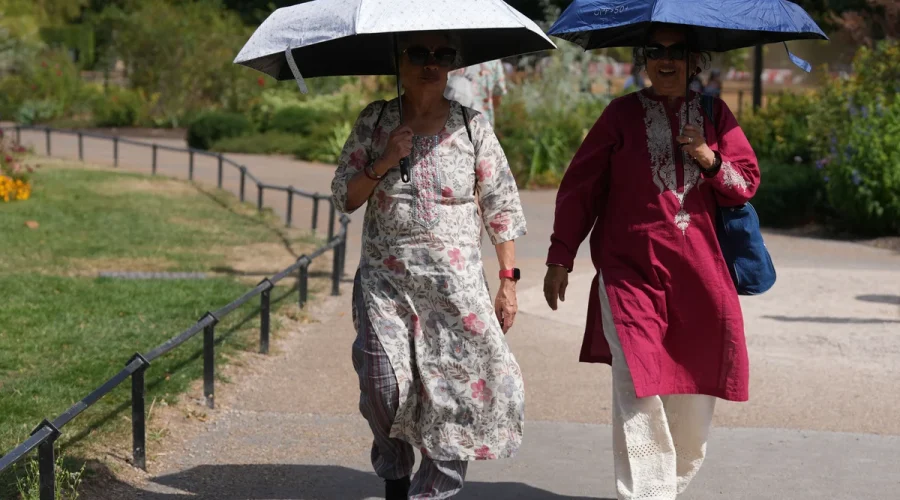
UK Faces Fifth Heatwave as Temperatures Soar Toward 33C
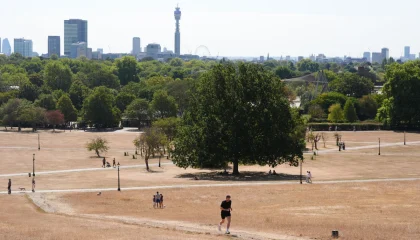
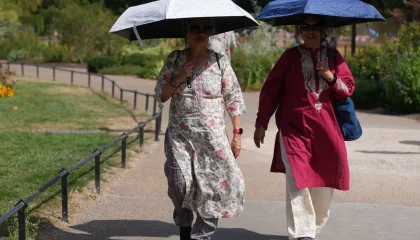
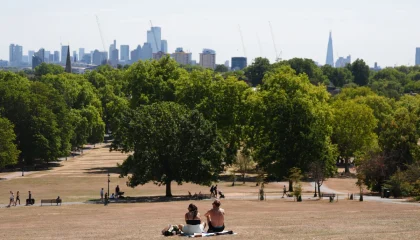
Traveloasisspot.com – Britain is preparing for another wave of intense heat as meteorologists predict temperatures could climb to 33 degrees Celsius across certain regions this Sunday. This marks the fifth consecutive heatwave to impact the nation over recent weeks, bringing both opportunities and challenges for residents and infrastructure alike.
Yellow heat health alerts became active at 9am on Saturday, coinciding with a steady rise in temperatures throughout the day. The South and South East experienced the warmest conditions, with readings reaching 28C, while central England saw temperatures approach 27C across most areas.
Weather Patterns and Regional Variations
The Met Office forecasts that Sunday will bring intermittent rainfall to Scotland, Northern Ireland, and northern England. Meanwhile, the South East may experience isolated showers, though conditions elsewhere will remain predominantly dry and sunny. Most residents can expect temperatures to settle in the high 20s during the day.
Looking ahead, heatwave conditions are anticipated to persist into next week. By Thursday, parts of East Anglia and south-east England could see temperatures peak at 36C, marking one of the warmest readings of the season so far.
Health Warnings and Medication Concerns
Health officials have issued specific guidance regarding medication use during periods of extreme heat. Certain drugs, including ibuprofen, can complicate the body’s ability to maintain hydration, regulate internal temperature, and respond to sun exposure effectively.
Proton pump inhibitors (PPIs), commonly used to treat acid reflux and heartburn, have also been linked to a very low risk of a lupus-like skin reaction triggered by sun exposure, and common painkillers such as ibuprofen and naproxen may also increase sun sensitivity.
Dr Alison Cave, serving as chief safety officer at the Medicines and Healthcare products Regulatory Agency, emphasized these connections between medications and heat-related health risks.
Wildfire Risks and Fire Severity
The Fire Severity Index indicates that any wildfires developing on Sunday could prove exceptionally severe across nearly all of eastern and south-eastern England. This represents the highest classification within the index system.
The Met Office’s data incorporates rainfall measurements, temperature readings, and humidity levels to evaluate potential fire severity should ignitions occur. It is important to note that this index measures intensity rather than probability of wildfire occurrence.
Geographic Coverage of Heat Alerts
The UK Health Security Agency has extended yellow heat health alerts to encompass multiple regions: the East Midlands, West Midlands, South East, South West, East of England, Yorkshire and the Humber, and London. These warnings remain in effect until 9pm on Tuesday.
The alerts highlight concerns about population wellbeing during extended hot periods and anticipate increased demand on healthcare facilities as residents seek treatment for heat-related conditions.
Historical Context and Climate Impact
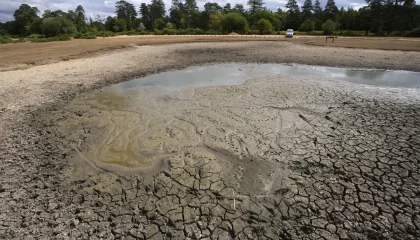
The current heatwave follows two record-breaking episodes in May and June that contributed to more than 2,800 excess deaths nationwide. Two additional heatwaves in July have intensified drought conditions and sparked numerous wildfires across the country.
Recent blazes have affected multiple locations, including Dunwich Heath in Suffolk, Headon Warren on the Isle of Wight, Llanwonno in the Rhondda Valleys of South Wales, and the Cairngorms National Park in Scotland.
The National Trust has launched a petition urging the Government to elevate climate change mitigation to a national mission priority, reflecting growing public concern about environmental sustainability.
Water Reserves and Drought Conditions
Reservoir storage levels in England have declined to 69%, representing a drop from 72% recorded one week prior and sitting nearly 12 percentage points below the long-term average for this season. The Environment Agency reported these figures on Friday.
At the end of June, storage stood at 85%, matching the typical level for that time of year. However, reserves have experienced steady decline over recent weeks as rainfall has been scarce.
Five reservoirs now carry “exceptionally low” classifications: Blagdon in Somerset at 54% capacity, Clywedog in Powys at 62%, the Dove group in Derbyshire at 74%, Hanningfield in Essex at 60%, and Wimbleball in Somerset at 50%.
Last month emerged as the driest July for England and Wales since systematic records began in 1836, according to provisional Met Office data. Nineteen counties experienced virtually no rainfall—measuring 1mm or less—throughout the entire month, underscoring the severity of current drought conditions and their potential implications for water security in the coming months.
Related Reading
Frequently Asked Questions
What is Temperatures to rise on Sunday as UK?
Temperatures to rise on Sunday as UK is the main topic of this guide. The article explains the context, practical details, and next steps readers should understand.
Why does Temperatures to rise on Sunday as UK matter?
Temperatures to rise on Sunday as UK matters because readers are looking for a useful answer, not just a short summary. Good content should match search intent and help them decide what to do next.