Markets React as Burnham Names Healey as New Chancellor
Traveloasisspot.com – Financial markets experienced heightened volatility on Monday as traders digested the implications of Andy Burnham’s surprise appointment of John Healey to the position of Chancellor of the Exchequer. The announcement came shortly after Burnham was confirmed as the nation’s next Prime Minister, sending ripples through the City as investors recalibrated their expectations for economic policy direction.
Government borrowing costs climbed to their highest point in approximately two months, while the pound experienced a modest decline against major currencies. These movements reflected cautious sentiment among market participants who were still processing the full scope of what the new administration might deliver.
A Surprise Cabinet Selection
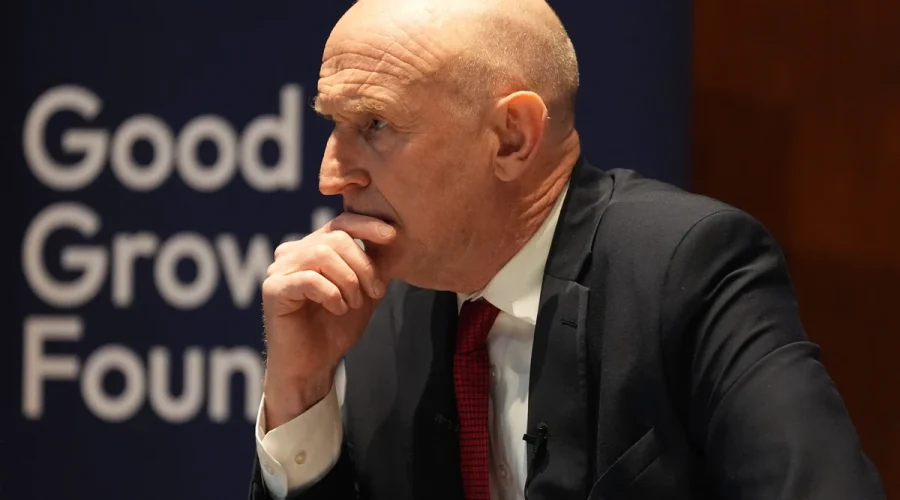
Healey’s elevation to the chancellorship caught many observers off guard, particularly given widespread speculation that Shabana Mahmood and Ed Miliband had emerged as the leading candidates for the prestigious role. The decision to bypass these frontrunners in favor of the former defence secretary signaled Burnham’s intention to bring fresh perspectives to the economic team.
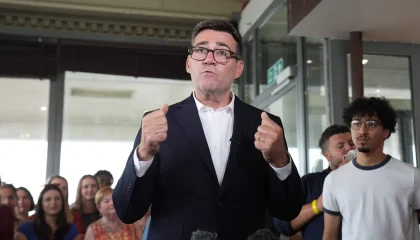
The appointment followed a relatively calm trading session on Monday morning, during which markets had absorbed the news of Burnham’s confirmation as Prime Minister. However, sentiment shifted during afternoon trading when Burnham indicated to reporters that he intended to utilize “any flexibility” available within the existing fiscal framework to address economic challenges.
Market Movements Reflect Uncertainty
The yield on ten-year Government bonds, commonly referred to as gilts, increased by eight basis points to reach 5.049% by the close of London trading. This movement represented a significant shift, as higher yields correspond to lower bond prices and indicate that investors are demanding greater compensation for holding government debt.
Concurrently, the pound depreciated by 0.29% to trade at 1.341 against the US dollar, reversing gains accumulated during much of the day’s trading session. The FTSE 100 index concluded the session 0.71% lower, settling at 10,524.76 points as investors adopted a wait-and-see approach.
Kathleen Brooks, research director at XTB, provided insight into the market reaction:
“Although Burnham has said that all new spending plans will be fully funded, investors want to see it before believing it.”
She added that
“It is still unclear exactly what Burnham’s economy policy will look like, which is leading to significant confusion, hence the selloff in the bond market on Monday.”
Economic Headwinds Ahead
Healey inherits a challenging economic landscape as he prepares to assume his new responsibilities. Growth remains subdued, state borrowing sits at elevated levels, and the national debt has reached its highest point since the 1960s. Additionally, the labour market continues to face persistent pressures that could complicate policy decisions.
During her tenure as chancellor, Rachel Reeves prioritized economic growth but encountered difficulties in accelerating expansion amid competing pressures. These included elevated inflation and complications arising from the conflict in the Middle East. Most recently, UK gross domestic product expanded by just 0.1% in May, following a 0.1% contraction in April.
The incoming chancellor faces a substantial workload in the coming days, with fresh economic data including inflation figures and state borrowing statistics due for release. While inflation is anticipated to moderate further, analysts suggest this improvement may be temporary. Higher household energy bills scheduled to take effect from July are expected to contribute to renewed inflationary pressure later in the year.
Burnham has already signaled that his Government will likely extend additional cost-of-living assistance to households struggling with rising prices. However, the chancellor must carefully balance these potential spending commitments against the need to maintain fiscal discipline and comply with the rules established by Sir Keir Starmer’s previous administration.
As Burnham began finalizing his first Cabinet, Reeves formally confirmed her departure from the chancellor position. The new leadership team now faces the critical task of navigating these economic headwinds while maintaining market confidence in the Government’s fiscal approach.