Extreme Temperatures Dampen Retail Recovery as Shoppers Stay Indoors
Traveloasisspot.com – British consumers remained largely indoors during July as persistent heatwave conditions continued to suppress retail footfall across the country. While the latest figures show a modest recovery compared to June’s sharper decline, the high street remains under pressure as extreme weather patterns reshape shopping habits and challenge urban retail centers.
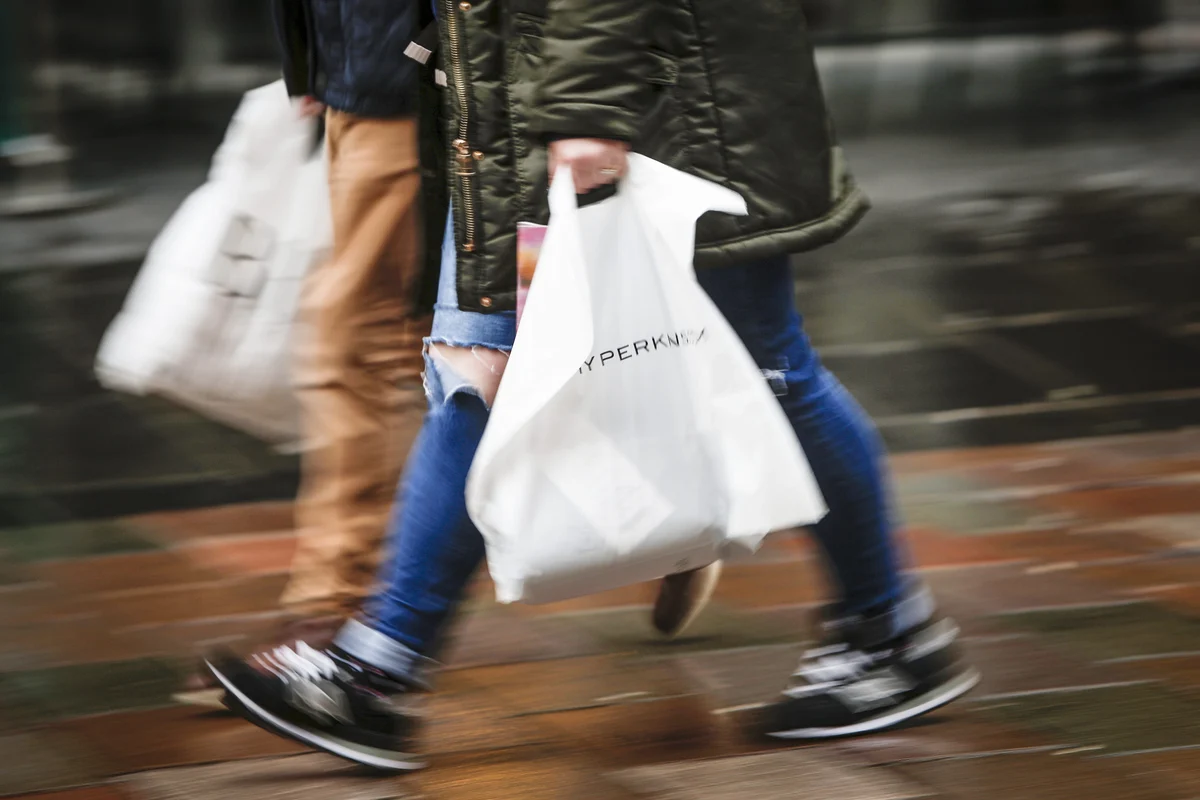
New data reveals that total UK footfall decreased by 2.1 percent compared to the same month last year, marking a slight improvement over the 3.4 percent contraction recorded in June. The figures, compiled by the British Retail Consortium alongside Sensormatic, indicate that while the downward trend persists, the rate of decline is gradually moderating.
High Streets Face Continued Pressure
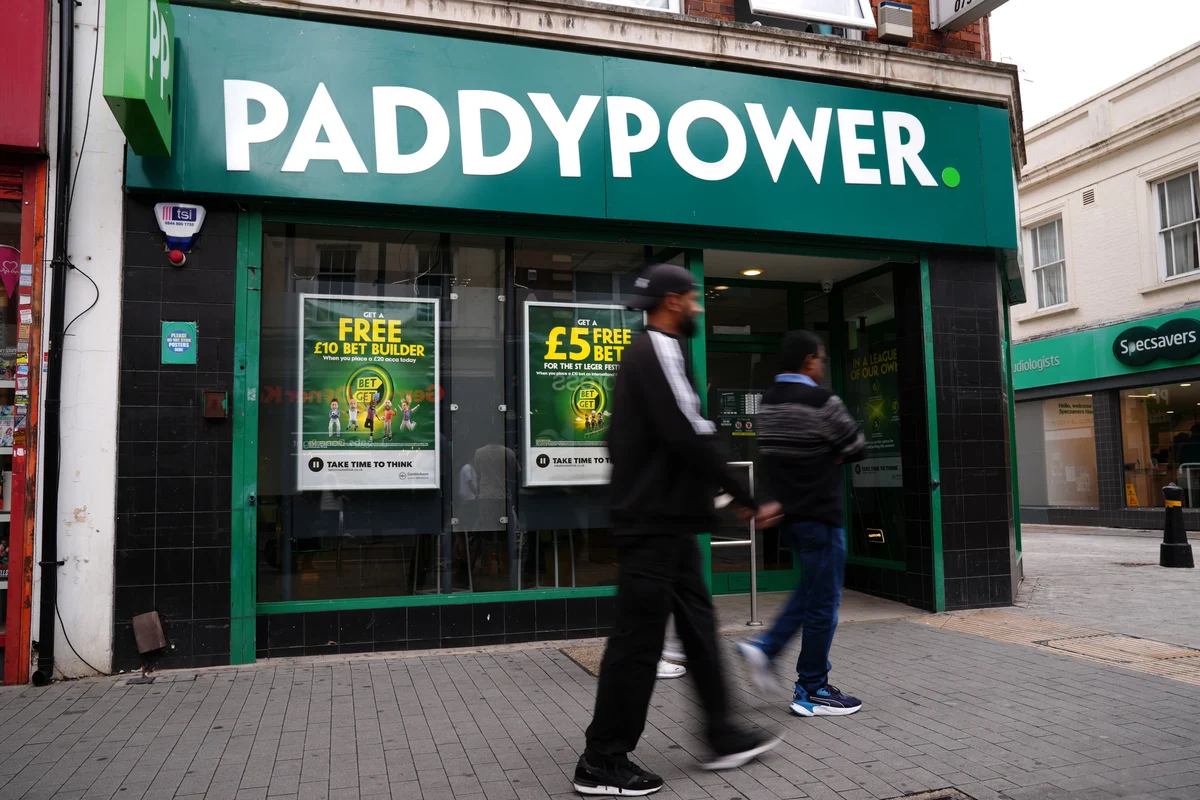
The high street experienced a 3.8 percent year-on-year decline in July, an improvement from the steeper 6.2 percent drop observed in the previous month. Shopping centers also felt the impact, though to a lesser degree, with footfall falling 1.4 percent compared to last year, up from June’s 2.5 percent decrease.
England emerged as the weakest performer among UK nations, recording an overall footfall reduction of 3 percent. London proved particularly vulnerable, with visitor numbers plummeting by 5.3 percent. This pronounced decline in the capital underscores the ongoing difficulties that major urban centers face when confronted with extreme temperature events.
The heatwave continued to bear down on retail footfall in July, with high streets worst affected.
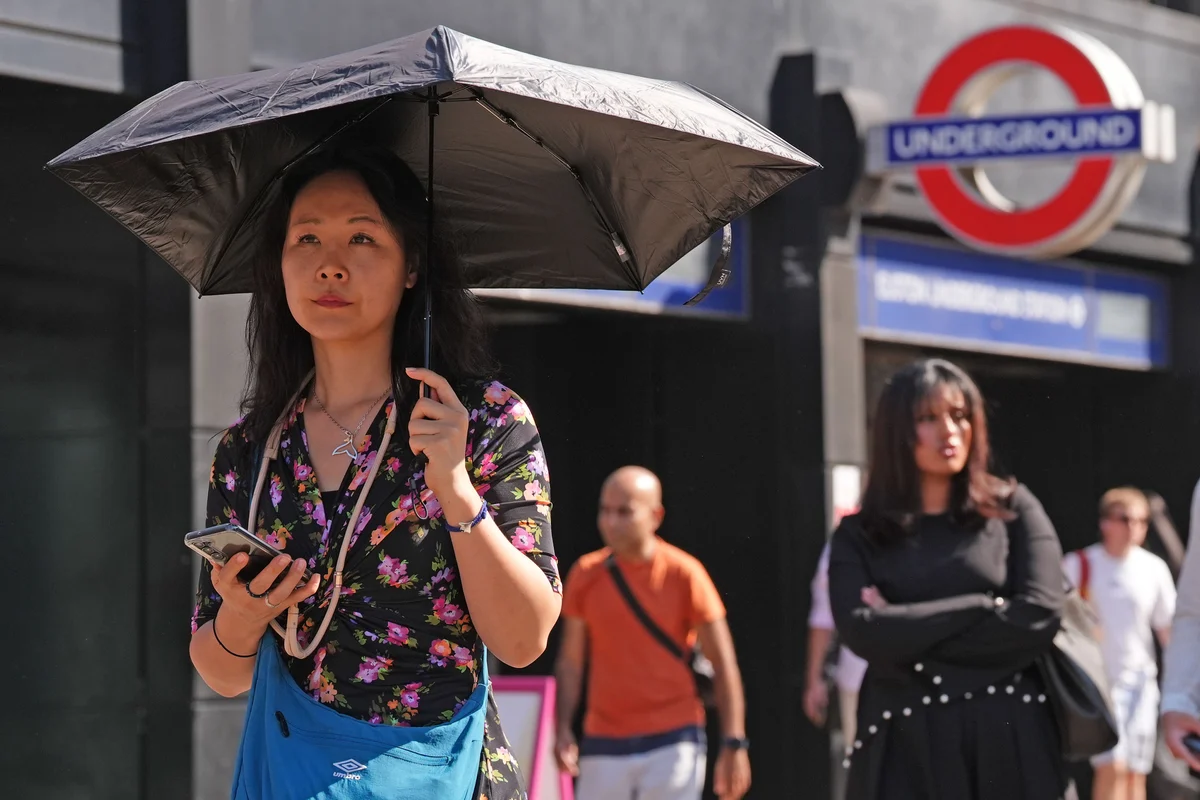
Helen Dickinson, chief executive of the British Retail Consortium, emphasized that London’s struggles were closely tied to transportation challenges. Soaring temperatures made underground and rail travel less appealing, prompting both commuters and shoppers to reconsider their journeys and often choose to remain at home instead.
London was hit particularly hard as soaring temperatures made tube and train travel less attractive, with some commuters and shoppers opting to stay home.
Despite the ongoing challenges, Dickinson noted that July’s performance represented progress compared to the previous month, when record-breaking sunshine had triggered an even more substantial decline in visitor numbers. The pattern suggests that while extreme heat consistently suppresses footfall, the market is beginning to adapt to these new weather realities.
Nonetheless, it was still an improvement on the previous month’s figures, when record-breaking sunshine saw footfall fall by an even bigger margin.
Climate Change Reshapes Retail Strategy
The recurring nature of extreme weather events has prompted retailers to reconsider their operational approaches. Dickinson highlighted that climate change is delivering increasingly severe temperature fluctuations across the United Kingdom, forcing businesses to invest in both immediate mitigation measures and longer-term sustainability initiatives.
Climate change continues to deliver more and more extreme temperatures in the UK.
These investments include expanded air conditioning systems and more efficient refrigeration units designed to maintain comfortable shopping environments. Simultaneously, retailers are pursuing sustainability programs aimed at reducing carbon emissions, though Dickinson pointed out that the current business rates framework often penalizes stores for making such investments.
Retailers are responding by investing in both mitigations – such as more air conditioning and more efficient refrigeration units – and in sustainability initiatives aimed at reducing carbon emissions.
The chief executive called for government intervention to address what she described as a broken system that fails to adequately support businesses making climate-related improvements to their premises.
Unfortunately, business rates often punish stores for such investments, showing the need for government to look again at this broken system.
Broader Market Context
Andy Sumpter from Sensormatic provided additional perspective, noting that six of the first seven months of the year performed worse than the corresponding period in the previous year. The exceptionally hot and historically dry weather conditions emerged as a significant factor discouraging shopping trips, with high streets experiencing disproportionate impact compared to other retail formats.
Sumpter also observed that despite the UK welcoming a new prime minister, retail has yet to experience any meaningful recovery momentum that might have been expected. For retailers, the challenge remains converting increasingly selective consumer visits into meaningful spending as the summer season progresses.
The exceptionally hot and historically dry weather is likely to have been a significant factor, discouraging shopping trips and particularly impacting high streets.
The broader economic landscape adds another layer of complexity to the retail recovery. Consumers remain cautious with their spending, influenced by both cost-of-living pressures and changing weather patterns that alter traditional shopping behaviors. The combination of these factors suggests that the road to full recovery may be longer than initially anticipated.
As autumn approaches, retailers will be closely monitoring whether the improved footfall trends observed in July can be sustained or if they represent merely a temporary respite from the heatwave’s impact. The ongoing evolution of consumer behavior in response to climate change is likely to become an increasingly important consideration for retail strategy going forward.
The situation in London serves as a particularly telling indicator of how extreme weather can disproportionately affect urban retail centers. With its dense concentration of high street shops and heavy reliance on public transportation, the capital’s 5.3 percent decline highlights the vulnerability of city-center retail to temperature-related disruptions in consumer movement.
Looking ahead, the retail sector’s ability to adapt to these new weather realities will depend on both investment in physical infrastructure and policy changes that support businesses making necessary adaptations. The current trajectory suggests that while challenges remain, the market is gradually finding ways to cope with the increasing frequency of extreme temperature events that characterize Britain’s changing climate.
Related Reading
Frequently Asked Questions
What is July heatwave keeps shoppers at home?
July heatwave keeps shoppers at home is the main topic of this guide. The article explains the context, practical details, and next steps readers should understand.
Why does July heatwave keeps shoppers at home matter?
July heatwave keeps shoppers at home matters because readers are looking for a useful answer, not just a short summary. Good content should match search intent and help them decide what to do next.