
Consumer Price Growth Eases as Retailers Navigate Summer Challenges
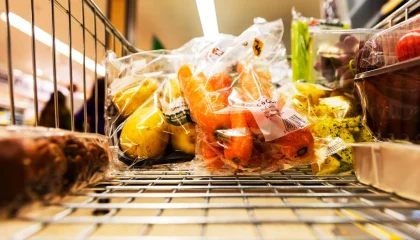
Traveloasisspot.com – Households received welcome relief in July as shop price increases decelerated, though industry leaders caution that mounting pressures could soon reverse this positive trend. According to data compiled by the British Retail Consortium in partnership with NIQ, the rate at which consumer prices rise has moderated compared to previous months. The comprehensive figures reveal that overall shop price inflation registered at 0.9 percent year-on-year, representing a meaningful decline from the 1.2 percent pace recorded throughout June. This deceleration suggests that retailers have been effective in managing cost increases for consumers during the first half of the year. Breaking down the categories further, non-food items experienced particularly subdued price growth. Inflation for products excluding foodstuffs dropped to just 0.2 percent, a substantial improvement from the 0.6 percent rate observed in the preceding month. This indicates that sectors such as clothing, electronics, and personal care have been able to absorb or pass on fewer cost increases to shoppers. Food prices tell a more nuanced story. While overall food inflation eased to 2.2 percent from 2.4 percent, fresh produce actually saw accelerated price growth, climbing to 3.1 percent from 2.8 percent. This divergence highlights how different segments within the food category are responding differently to supply chain pressures and seasonal factors. Several external factors contributed to the July slowdown. The football World Cup provided an opportunity for retailers to offer attractive deals on snacks and alcoholic beverages, while clothing and footwear merchants launched aggressive discount campaigns to clear out summer inventory ahead of autumn collections. Conversely, certain categories faced headwinds. Electrical goods and health and beauty products experienced elevated inflation rates as rising semiconductor costs and broader manufacturing expenses were transmitted through to final prices.
Industry Leaders Weigh In on the Outlook
Helen Dickinson, chief executive of the British Retail Consortium, emphasized the positive nature of the July figures while acknowledging ongoing challenges. She noted that retailers actively competed to restrain price increases, implementing numerous summer promotions across both food and non-food categories. Dickinson’s full statement captured the dual narrative:
Good news for households in July as shop price inflation slowed. Retailers competed hard to limit prices rises, with a wave of summer promotions across food and other goods. While today’s figures are encouraging, growing cost pressures remain on the horizon. Higher employment costs and packaging taxes, global instability and climate-related disruption all make it more expensive to get products onto shelves.
Mike Watkins, who leads retailer and business insight at NIQ, provided additional perspective on what these figures mean for consumers. He highlighted that shop price inflation remains below its year-ago level, which should help households manage competing expenses such as energy bills and fuel costs. Watkins added:
Shop price inflation remains lower than a year ago, which will help shoppers as they manage other increases in household spend, such as energy and fuel. So, we can expect promotions to continue to be an important part of driving demand for the rest of the summer.
Looking Ahead: What Consumers Can Expect
The retail sector’s outlook suggests that promotional activity will remain robust through the remainder of the summer months. With multiple cost pressures building—including employment expenses, environmental levies, geopolitical uncertainties, and weather-related supply disruptions—retailers appear committed to maintaining competitive pricing through discounts rather than passing all increases onto consumers. The contrast between fresh food inflation and overall food inflation warrants attention going forward. If supply chain constraints affecting perishable goods persist, this segment could become a particular focus for consumer spending adjustments. Meanwhile, the electronics and health sectors may continue to see above-average inflation as technology costs and production expenses remain elevated. Shoppers interested in these categories might benefit from timing purchases around promotional periods. The broader economic context also matters. With energy and fuel costs continuing to influence household budgets, the moderation in shop price inflation provides some breathing room for families managing multiple expense categories simultaneously. As the summer progresses, retailers will need to balance clearing seasonal stock while preparing for autumn and winter collections. The promotional strategies employed during this period could set the tone for consumer spending patterns heading into the crucial holiday shopping season. The industry’s warning that pressures remain on the horizon suggests that while July’s figures are encouraging, consumers should not expect a prolonged period of price stability without continued vigilance from retailers and awareness of potential cost increases in the months ahead.
Related Reading
Frequently Asked Questions
What is Shop price inflation slows amid warnings?
Shop price inflation slows amid warnings is the main topic of this guide. The article explains the context, practical details, and next steps readers should understand.
Why does Shop price inflation slows amid warnings matter?
Shop price inflation slows amid warnings matters because readers are looking for a useful answer, not just a short summary. Good content should match search intent and help them decide what to do next.