Sainsbury’s Bolsters Domestic Produce Amid European Climate Concerns
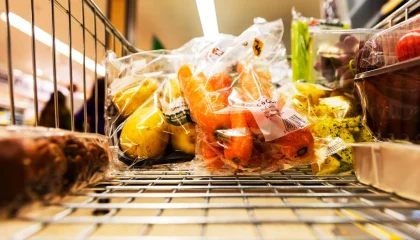
Traveloasisspot.com – Britain’s second-largest supermarket chain is significantly expanding its sourcing of homegrown vegetables, including tomatoes, peppers, and cucumbers, as concerns grow over potential drought conditions threatening agricultural output across Europe. This strategic shift comes as retailers recognize the vulnerability of relying heavily on continental imports during periods of extreme weather.
Long-Term Partnerships Secure Supply Stability
To guarantee consistent availability of fresh produce throughout the year, Sainsbury’s has entered into comprehensive ten-year agreements with two prominent UK-based agricultural companies: Evesham Vale Growers and Thanet Earth. These extended contracts represent a substantial commitment to domestic farming and signal a broader industry trend toward supply chain resilience.
The vegetable sector has experienced considerable disruption from climate-related events in recent years. During the first quarter of 2023, British supermarkets implemented purchasing restrictions, limiting customers to three packs each of tomatoes, cucumbers, peppers, lettuce, and various salad vegetables. These limitations resulted from a convergence of adverse weather patterns and transportation difficulties affecting regions across North Africa and continental Europe.
Winter Growing Innovation at Thanet Earth
One particularly significant outcome of the partnership with Thanet Earth involves extending the availability of British-grown cucumbers well beyond the traditional summer harvest period. Historically, UK supermarkets have depended substantially on imported cucumbers during winter months, but this arrangement will enable year-round domestic production for the first time.
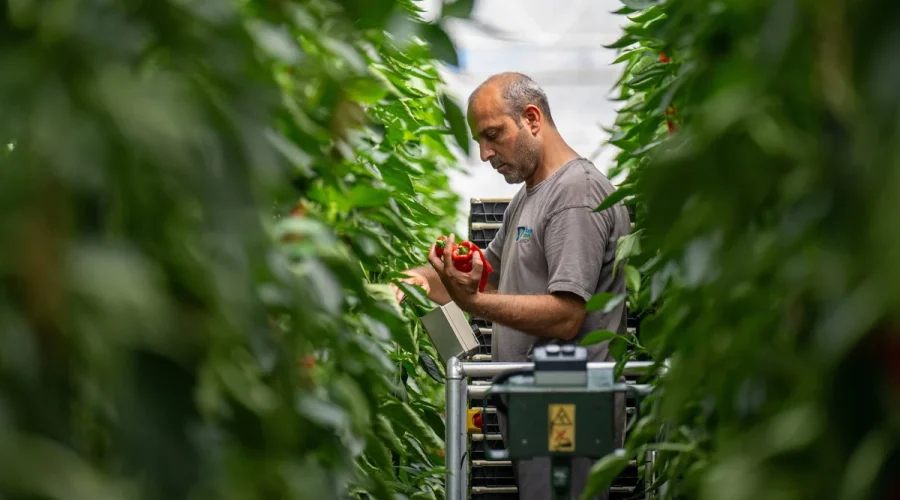
The agricultural facility operated by Thanet Earth in Kent represents the United Kingdom’s most extensive single-site glasshouse complex. Through sophisticated management of supplementary lighting systems, heating infrastructure, and carbon dioxide levels, the facility creates optimal growing conditions that allow cucumber plants to continue developing throughout the coldest and darkest months of the year.
Rob James, technical director at Thanet Earth, emphasized the strategic value of this collaboration: “Working with Sainsbury’s in this way means we can plan ahead with more certainty and keep pushing what’s possible for British growing.” He further noted that their investment in winter-growing technology demonstrates how innovation can expand seasonal availability of domestic produce.
Building Resilient Supply Chains
Sainsbury’s leadership has acknowledged that British-grown tomatoes, peppers, and cucumbers already constitute a meaningful portion of their salad product range. However, increasingly severe weather events across warmer European growing regions have highlighted the necessity for retailers to reconsider their sourcing strategies fundamentally.
Hannah O’Reilly, category director of produce at Sainsbury’s, articulated the company’s vision: “With our changing weather, it’s more important than ever to find new, innovative solutions to make sure our customers can continue to enjoy the quality produce they want all year-round.” She emphasized that investing in domestic production capacity and encouraging supplier innovation strengthens the overall supply chain in categories particularly susceptible to weather disruptions.
The category director added that providing British growers with confidence through extended contractual arrangements enables continued investment and innovation, ultimately supporting the agricultural sector for generations to come.
Consumer Benefits Arriving This Season
Shoppers can expect to see tangible benefits from these agreements beginning this summer with the introduction of the new Taste the Difference British Salad Selection, packaged in an 800g box. This product launch represents the immediate consumer-facing outcome of Sainsbury’s commitment to domestic sourcing.
The broader implications of these partnerships extend beyond immediate supply security. By reducing dependence on imports from regions vulnerable to drought and extreme weather, British supermarkets are positioning themselves to maintain consistent product availability regardless of international climate conditions. This approach not only benefits consumers through more reliable access to fresh produce but also provides British farmers with the long-term certainty needed to invest in infrastructure and technology that will enhance future growing capabilities.
Related Reading
Frequently Asked Questions
What is Sainsbury s to increase British salad?
Sainsbury s to increase British salad is the main topic of this guide. The article explains the context, practical details, and next steps readers should understand.
Why does Sainsbury s to increase British salad matter?
Sainsbury s to increase British salad matters because readers are looking for a useful answer, not just a short summary. Good content should match search intent and help them decide what to do next.