
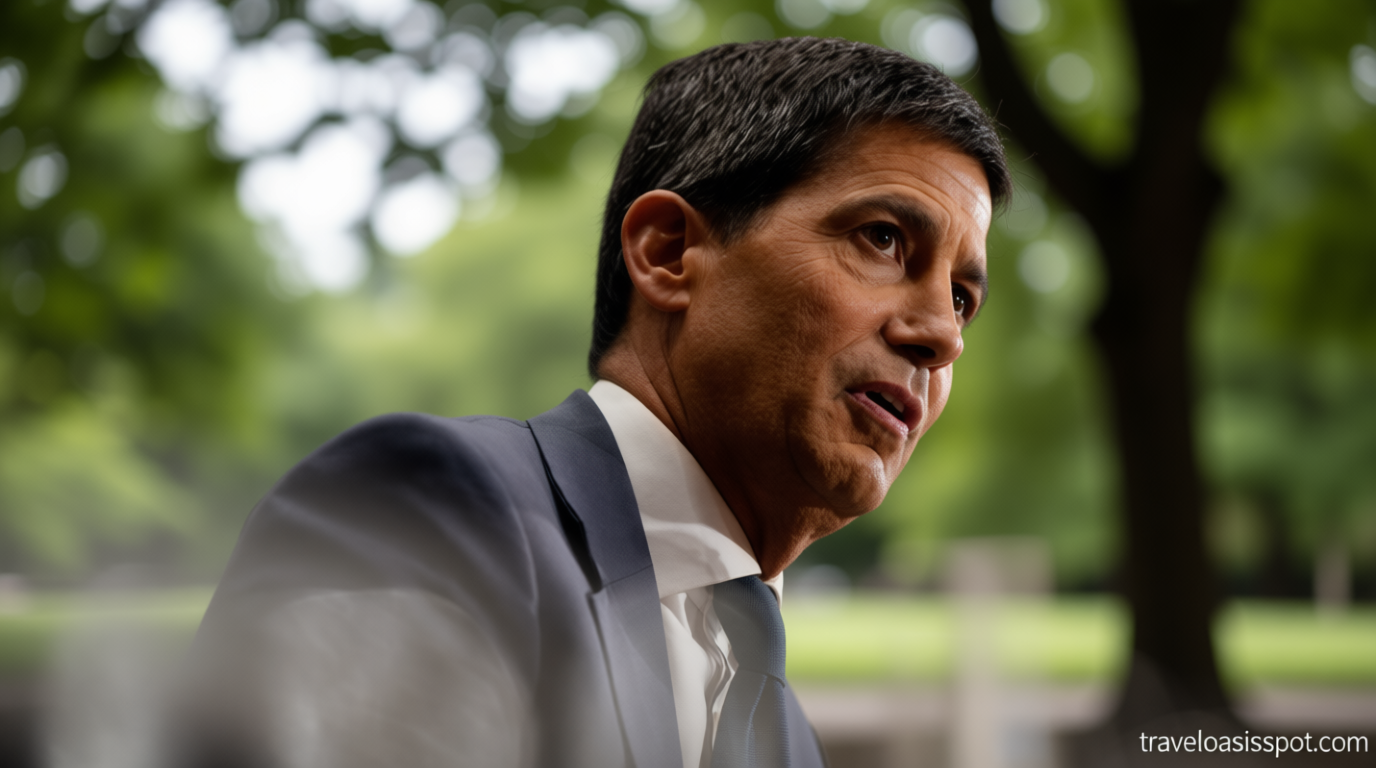
Good Luck, Kevin Warsh! You’re Going to Need It
Good luck Kevin Warsh You re going – A version of this story originally appeared in the CNN Business Nightcap newsletter. Subscribers receive this weekly summary of key economic developments. To join the list, register here for free. Kevin Warsh, the Trump-appointed Federal Reserve chair, assumes his role on Monday, replacing Jerome Powell, who has held the position for eight years. Leading the world’s most pivotal central bank is a formidable challenge, even in calm times. Yet, Warsh’s transition occurs amid a backdrop of economic turbulence, with the war in Iran exacerbating inflationary pressures and his predecessor still serving on the board to safeguard the Fed’s autonomy from presidential influence.
The Consumer Dilemma
This week’s economic indicators have painted a bleak picture of the U.S. economy, highlighting the difficulties Warsh will face in steering monetary policy. A key theme emerging from the data is the growing hesitancy of American consumers, who are increasingly cautious in their spending decisions. Retail sales figures released Thursday confirmed a trend that CEOs have been signaling for weeks: households are tightening their budgets, focusing on essential purchases, and deferring non-essential expenses such as home appliances and vehicles. Whirlpool, the parent company of KitchenAid, Maytag, and Amana brands, recently likened this behavior to the severe spending reductions seen during the 2008 financial crisis.
“The war has come home, and Americans can feel it and see it in their grocery basket,” said Joe Brusuelas, chief economist at RSM US, in a recent interview with CNN.
Gasoline prices have emerged as the primary driver of this shift, with the Iran conflict sending energy costs soaring globally. The ripple effect has made everyday goods and services more expensive, straining household finances. Despite these challenges, consumer spending rose by 0.5% from March to April, though much of this growth is attributed to higher prices rather than increased volume. A temporary boost from tax refunds further eased financial pressure, but underlying inflationary trends remain stubborn.
Shrinking Paychecks and Stagnant Wages
Another troubling development is the erosion of real wage growth, which has become a major concern for economists. “Inflation is alive. Real wage growth is dead,” stated Aaron Sojourner, a senior economist at the W. E. Upjohn Institute for Employment Research. This reflects a significant divergence from the past three years, when wages generally kept pace with or exceeded inflation. According to the Bureau of Labor Statistics, average paychecks increased by 3.6% over the past year, but consumer prices surged by 3.8%, outpacing income gains. The result is a growing affordability crisis for everyday expenses, from groceries to utilities.
Consumers are now facing a dual burden: rising costs and stagnant earnings. This dynamic has created a precarious situation, where households must allocate more income to cover the same amount of goods and services. The gap between wage growth and inflation has widened, leaving many families with less purchasing power. As Warsh navigates this landscape, the challenge lies in balancing the need to stimulate growth with the risk of fueling further inflation.
A Sticky Situation
Inflation is not a uniform phenomenon, and this distinction is critical for understanding the current economic environment. While prices for consumer goods like gasoline and food tend to fluctuate, inflation in services—such as rent, healthcare, and dining out—has proven more resilient. This “stickiness” means that once service costs rise, they often remain elevated for extended periods. Recent data from the Consumer Price Index (CPI) and the Producer Price Index (PPI) underscore this trend, showing persistent increases in service-related expenses.
“The Hormuz crisis is aggravating the problem, but this goes way beyond oil,” noted David Russell, global head of market strategy at TradeStation, during a CNBC interview.
The core PPI report, which excludes volatile energy prices, revealed a 1% increase in wholesale services from March to April, marking the largest monthly gain in four years. This suggests a structural shift in inflation dynamics, with services now playing a central role in sustained price pressures. Even if the Iran conflict were to end immediately, the recovery of oil and gas markets would take time, prolonging inflationary conditions. As a result, lowering interest rates to spur economic activity could inadvertently exacerbate the problem, creating a difficult balancing act for the new Fed chair.
The Legacy of Powell’s Leadership
Warsh’s predecessor, Jerome Powell, faced similar challenges during his tenure, and his approach offers a cautionary tale for the current administration. Powell’s decisions to maintain higher interest rates, despite pressure from Trump to cut them, have been a focal point of political debate. If Warsh follows the same path, he risks backlash from a president eager to boost economic growth through lower borrowing costs. Conversely, if he yields to White House demands, he may inherit a more fragile economic foundation.
The stakes for the U.S. economy have never been higher, with inflationary forces intertwined with global geopolitical tensions. As the Fed grapples with these dual pressures, the path forward remains uncertain. Warsh’s ability to navigate this complex environment will determine whether the central bank can stabilize the economy or further destabilize it. The coming months will be a test of his leadership, resilience, and alignment with both economic realities and political expectations.
Correction: A previous version of this article incorrectly attributed the source of paycheck growth data. The correct reference has been updated accordingly.





