
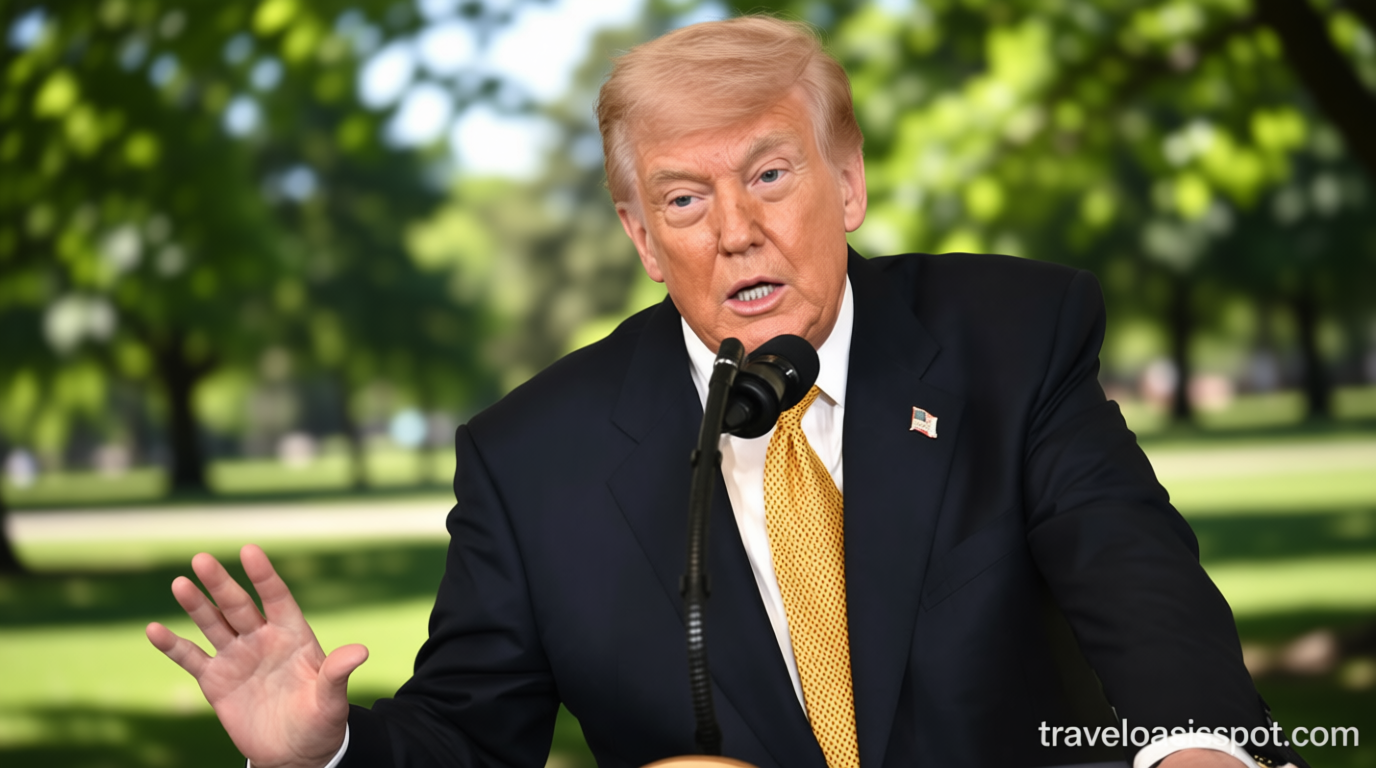
The Trump Phone will start shipping following months of delays
The Trump phone will start shipping – After nearly a year of anticipation and a few days of last-minute website adjustments, Trump Mobile has confirmed that its flagship smartphone, the Trump Mobile T1, will finally begin shipping this week. The company initially collected $100 deposits from pre-orders last August, but the launch date kept shifting as challenges arose during the development process. The update to the website, which now states that delivery is “conditional,” signals a major turning point in the phone’s journey from concept to consumer hands.
A Gilded Device with Practical Constraints
The Trump-branded smartphone, adorned with golden accents, is set to begin deliveries this week. Priced at $499, the device, officially called the Trump Mobile T1, bears a striking resemblance to a Chinese phone available for under $200 at Walmart. While the final product may not meet the bold expectations initially set by the Trump Organization, it retains the signature branding and golden color scheme that have become its defining features. Despite these compromises, the phone’s core identity as a Trump product remains intact.
Fortune recently highlighted the evolving terms of the pre-order process, noting that the company no longer guarantees the production or availability of the T1. Instead, the deposit is framed as a “conditional opportunity” for customers to secure a purchase, contingent on Trump Mobile’s decision to proceed with sales. This shift in language has sparked debate over whether the phone’s promotional promises were overstated or if the brand’s influence has taken precedence over its technical capabilities.
A Social Media Comeback and Strategic Adjustments
Amid the delays, Trump Mobile has ramped up its marketing efforts, including a flurry of posts on Facebook. The company’s recent activity marks a return to active engagement on the platform after more than six months of silence. One Facebook message declared, “Those who pre-ordered the T1 Phone will be receiving an update email. Phones start shipping this week!!!,” while another highlighted the golden aesthetic that has defined the product’s marketing. The company also disabled the comment section on its website, limiting public feedback on the revised terms.
Industry experts suggest the delays were predictable given the complexities of launching an Android device. Max Weinbach, an analyst at tech research firm Creative Strategies, explained that finalizing software, manufacturer agreements, and other critical contracts typically requires about 18 months. “There tend to be a lot of hoops to jump through to get an Android device on the market,” he noted in an email to CNN. This timeline underscores the challenges of balancing brand visibility with production readiness.
Rebranding the “Made in USA” Claim
Initially marketed as “Made in USA,” the T1’s description was later revised to “designed with American values in mind.” This adjustment came after industry analysts raised questions about the phone’s origins, pointing out that its specifications closely mirror those of Chinese-manufactured devices. According to CNN, the change followed skepticism about the claim, as the phone’s design and features appeared more aligned with global supply chains than domestic production.
Ryan Reith, group vice president of the International Data Corporation’s Worldwide Device Tracker, emphasized the ambiguity of terms like “designed” and “built.” “These phrases are very vague and don’t necessarily indicate where the phone was assembled or which components were sourced,” he told CNN. This leaves room for interpretation, as seen in Apple’s approach, where design is handled in California, but manufacturing occurs in China and India with parts from international suppliers.
Political Implications and Public Skepticism
The phone’s launch has reignited discussions about the use of the Trump brand for commercial gain while the president is in office. Critics argue that the product represents a strategic move to leverage political influence, while supporters see it as a testament to the brand’s enduring appeal. The Trump Organization, which oversees the phone’s development, is managed by President Trump’s eldest sons, Eric and Donald Jr., further tying the device to the family’s business interests.
Democratic Senator Elizabeth Warren has been vocal about the delays, calling them “another Trump scam.” Her criticism highlights concerns about the transparency of the Trump Organization’s operations, particularly as the phone’s pricing and features remain under scrutiny. The data and voice plan associated with the device, priced at $47.45, has drawn attention due to its numerical reference to Trump’s presidential terms as the 47th and 45th president of the United States. This detail has fueled speculation about the product’s marketing strategy.
Despite the challenges, Trump Mobile remains steadfast in its claims, though the “Made in USA” branding has been quietly removed from its website. The company’s commitment to the Trump brand appears to outweigh the need for precise manufacturing disclosures. As the phone prepares to enter the market, its success will depend on whether consumers perceive it as a symbol of American pride or a product of global supply chains, wrapped in a gilded promise of political endorsement.
The T1’s journey from pre-order to shipment reflects the broader challenges of merging political branding with technological innovation. With its golden hue and Trump name, the phone serves as both a product and a statement, one that has divided public opinion. While some see it as a clever marketing strategy, others question whether it is a case of overreaching promises or a calculated gamble to capitalize on the president’s visibility. The upcoming shipments will offer a chance to resolve these debates, though the delays have already cast a shadow over its initial launch. As the smartphone enters the market, its reception may serve as a litmus test for the Trump Organization’s ability to deliver on its ambitious promises.





