Met Police Faces Judicial Scrutiny Over Inspector’s Sexual Assault Trial Investigation
Traveloasisspot.com – The Metropolitan Police has mounted a robust defense of its internal processes following sharp criticism from a senior judge regarding the handling of an investigation into one of its own inspectors. The judicial rebuke centers on an inquiry into Dave Newman, a serving officer who was ultimately acquitted of sexually assaulting three female colleagues during a social evening in central London.
The case has drawn attention not only for its outcome but for the judge’s observations about procedural delays and the prioritization of criminal proceedings within police operations. These comments have sparked broader discussion about how the force manages investigations involving its own personnel.
A Night Out in Soho Turns to Courtroom Drama
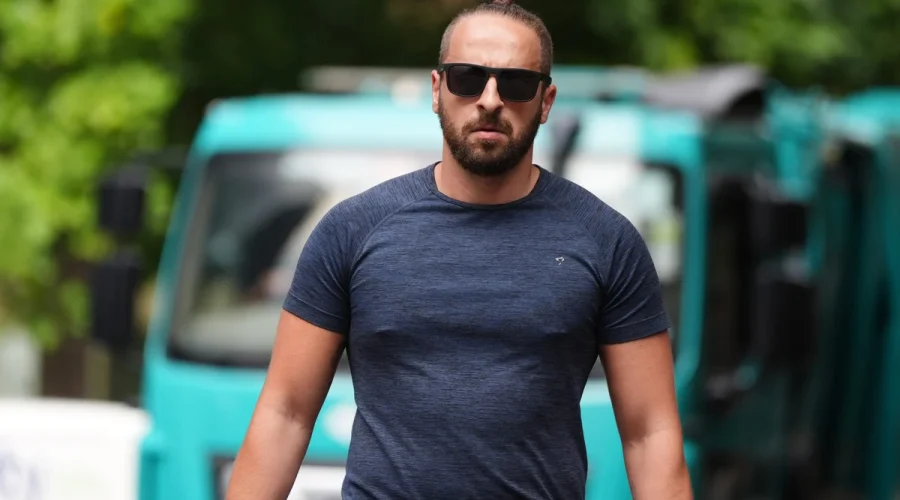
Dave Newman, aged 39 and originally from Luton, faced serious allegations at Southwark Crown Court. The charges stemmed from an incident that occurred during a night out in the Soho district of London in 2023. Three women officers, all serving members of the Metropolitan Police, brought forward accusations of sexual assault against Newman.
The trial proceedings concluded on a Thursday afternoon when the jury reached a unanimous decision. After careful consideration of the evidence presented, the jurors found Mr. Newman not guilty on all three counts of sexual assault. This verdict cleared the inspector of every allegation brought against him during the proceedings.
“We know that others were asked to provide their witness statements very late. Criminal proceedings should take priority, whether it is the police force or any other organisation.”
Judge Expresses Considerable Concerns About Investigation Process
Presiding over the case, Judge Philip Bartle KC did not limit his remarks to the verdict alone. He used his sentencing remarks to voice substantial reservations about how the investigation was conducted. The judge described his concerns as “considerable,” particularly regarding the timing of witness statements.
One of the most striking criticisms concerned a police officer who was not requested to provide a formal witness statement until the trial had already begun. Judge Bartle described this delay as “completely baffling,” emphasizing that such procedural shortcomings could undermine the integrity of any investigation.
The judge further noted that multiple individuals involved in the case were asked to submit their statements at unusually late stages. This pattern of delayed documentation raised questions about whether the investigation had been conducted with the urgency and thoroughness expected in criminal matters.
“I stated one police officer ‘was not asked to provide a witness statement until the start of the trial, which I frankly find completely baffling’.”
Met Police Defends Its Investigation Standards
In response to the judge’s public comments, a Metropolitan Police spokesperson issued a statement on Friday defending the force’s approach. The official response directly addressed the implication that the investigation might have been compromised because the accused was a serving police officer.
The spokesperson stated that the Met “rebut any suggestion that this matter was not thoroughly investigated due to the report involving a serving police officer.” The statement emphasized that the case had been properly heard in court, with the jury returning not guilty verdicts on all three counts, demonstrating that the investigation had been comprehensive and fair.
The Met’s defense suggests that the force maintains consistent standards regardless of whether the subject of an investigation is civilian or police personnel. This position is particularly important given public expectations about accountability within law enforcement organizations.
The Soho Drinks Event: A Troubling Social Setting
Beyond the investigation process itself, Judge Bartle also commented on the circumstances of the social event where the alleged incidents occurred. The judge described his reaction to the Soho drinks party as finding it “very troubling” that such an event took place at all.
According to the judge’s observations, it was “quite extraordinary” that a senior police officer would organize a drinks party in which excessive drinking was almost inevitable. The social gathering involved shots being handed out freely, creating an environment where alcohol consumption was encouraged and potentially uncontrolled.
The judge’s comments suggest that the setting itself may have contributed to the situation that led to the allegations. While this does not affect the legal outcome of the case, it provides context for understanding how such incidents can arise during professional social functions.
“It seems quite extraordinary that a senior police officer would host a drinks party in which it was inevitable that people would drink too much. I do find it very troubling that this took place at all, with shots being handed out.”
Broader Implications for Police Accountability
The judge’s criticism carries significant implications for how the Metropolitan Police manages internal investigations. When a senior judicial figure publicly questions the thoroughness of an inquiry, it signals to both the organization and the public that standards must be maintained regardless of the status of those involved.
The emphasis on criminal proceedings taking priority reflects a fundamental principle of justice: that investigations must be conducted with urgency and completeness. Delayed statements can affect the reliability of evidence and potentially impact the fairness of proceedings.
For the Met Police, this case serves as a reminder that internal investigations require the same level of diligence and timeliness as external ones. The force’s response indicates that it is prepared to defend its processes while remaining open to improvement based on judicial feedback.
The acquittal of Dave Newman does not diminish the importance of the judge’s comments. Rather, it demonstrates that the investigation proceeded despite any potential biases, and the court system functioned as intended. The combination of a thorough investigation, proper legal process, and clear judicial oversight represents the ideal outcome for such cases.
As the Metropolitan Police continues to evolve its internal procedures, this case will likely be referenced as an example of how judicial scrutiny can drive organizational improvement. The focus on timely witness statements and consistent investigation standards will remain central to maintaining public confidence in police accountability mechanisms.
Related Reading
Frequently Asked Questions
What is Met Police defends itself as judge?
Met Police defends itself as judge is the main topic of this guide. The article explains the context, practical details, and next steps readers should understand.
Why does Met Police defends itself as judge matter?
Met Police defends itself as judge matters because readers are looking for a useful answer, not just a short summary. Good content should match search intent and help them decide what to do next.