Scots Mother with Incurable Brain Cancer Treasures Every Moment
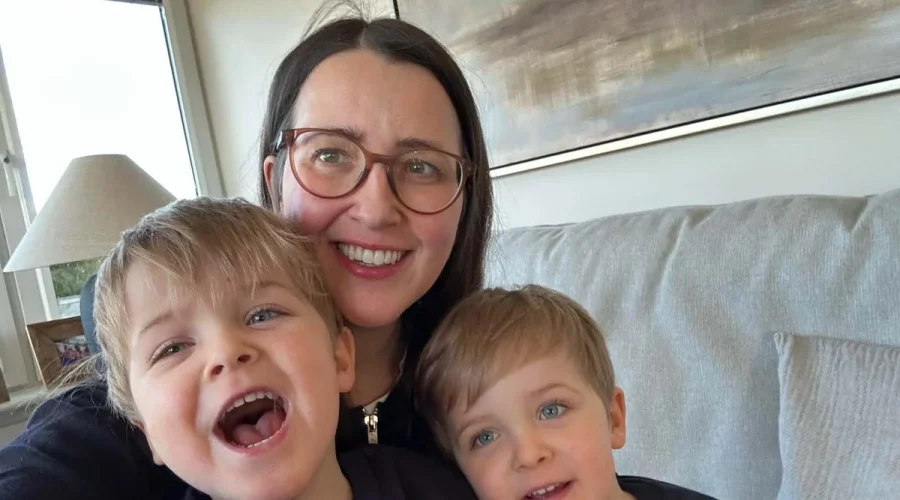
Traveloasisspot.com – Kim Borthwick, a Scots mother with incurable brain cancer, is making the most of each day with her young twin sons despite facing a terminal diagnosis. The 35-year-old Glasgow resident received news of her aggressive glioblastoma tumor on January 18th, just one week after her first symptoms appeared. Her diagnosis came shortly after a busy holiday period with her husband Ross and four-year-old twins Max and Freddie. When a severe headache first emerged, Kim initially blamed it on overindulgence during the celebrations. “I recall telling myself I needed to rest,” she remembered. “The pain was absolutely unbearable.”
A Rapid Diagnosis and Realistic Outlook
Kim’s condition deteriorated rapidly over the following days. “My hand began to tingle and I lost sensation along one side of my body. I was vomiting repeatedly,” she explained. Despite never having suffered from migraines before, she attributed her symptoms to celebration exhaustion. After several visits to her family doctor, the Scots mother with incurable brain cancer was rushed to emergency care for an immediate CT scan. Medical professionals quickly identified a glioblastoma and informed her she might need surgery that very night. Kim has publicly acknowledged that healthcare workers have preserved her life through their rapid response.
“I cannot predict whether I will watch them begin school,” she expressed. “We typically overlook those small moments until we understand they might disappear forever.”
Should Kim celebrate her fortieth birthday, she would rank among the ten percent of patients with her specific cancer type who survive the longest. This understanding has transformed how she values daily experiences with her boys. Beyond cherishing time with her children, Kim has highlighted insufficient attention and resources dedicated to brain cancer research. Survival statistics in Britain have remained stagnant for generations despite dramatic improvements in other cancer types. She described this situation as fundamentally unfair given the progress made elsewhere.
Consequently, Kim has become involved with the Brain Cancer Justice campaign, which advocates for enhanced political support and financial investment in rare cancers. The organization is simultaneously requesting a dedicated minister for rare cancers to guarantee consistent research, funding, and policy development. Kim explained her motivation: “I possess an intense desire to create meaningful change for individuals diagnosed with brain cancer throughout Scotland.” She acknowledged the bittersweet reality of her situation. “It is challenging to accept, yet I doubt I will personally benefit from these improvements.”
Statistics reveal that outcomes for brain cancer patients have remained unchanged for three decades, with brain tumors continuing to claim more lives among children and adults under forty than any other cancer. Kim noted that patients in other major industrialized nations routinely receive surgery, radiotherapy, and chemotherapy as standard treatments, alongside the Optune device that inhibits cancer cell proliferation. This comprehensive approach remains unavailable as standard care in Scotland, forcing numerous families to independently explore treatment possibilities. Additionally, she emphasized that tumor specimens in Scotland are not typically preserved through fresh-freezing during surgical procedures.
“These interventions are not miracle cures,” she clarified. “No one claims they are. However, they provide additional time with loved ones, and ultimately that is what truly matters.” Kim is sharing her narrative throughout Glioblastoma Awareness Week, hoping subsequent generations will encounter different conversations, access expanded options, and experience improved outcomes. “It may be too late for my own journey,” she concluded, “but I intend to create a meaningful difference for those who follow.” Health Secretary Angela Constance responded positively to Kim’s advocacy efforts.