Nottingham Woman’s Courageous Choice: Selling Her Home for Brain Cancer Treatment
Traveloasisspot.com – Jo Fuller, a 51-year-old dyslexia specialist residing in East Leake, Nottinghamshire, has shared her remarkable journey after making the extraordinary decision to sell her family home. This momentous choice was driven by her need to access potentially life-extending medical treatment for an aggressive form of brain cancer that remains unavailable through the National Health Service.
A Holiday That Changed Everything
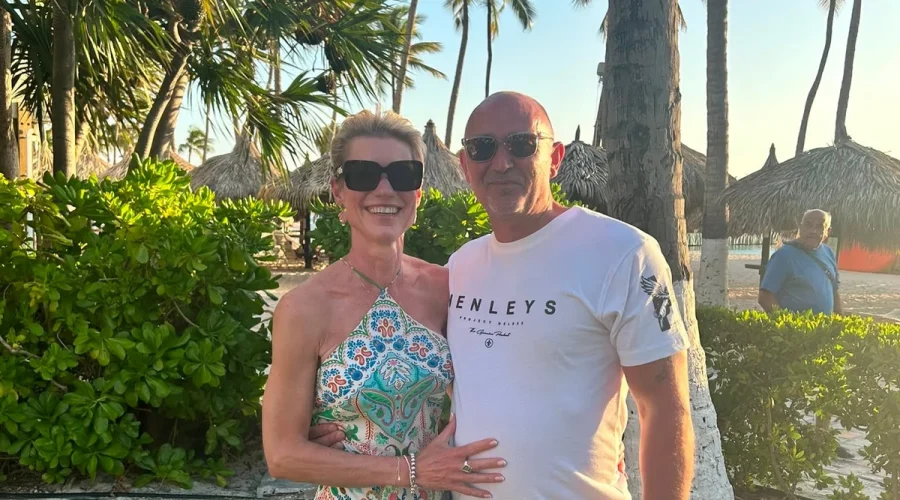
The diagnosis came almost two years ago while Mrs. Fuller and her husband Wayne were enjoying a holiday in Australia. The couple had been planning to relocate to the countryside for a two-year period and felt their future was finally aligning perfectly. They had been shopping for a family barbecue when Mrs. Fuller suddenly collapsed on the dining room floor, having suffered a seizure and stopped breathing.
“The next thing I remember was waking up on the dining room floor surrounded by paramedics,” she recalled. “I had no idea I’d suffered a seizure and stopped breathing.”
Doctors in Australia diagnosed her with glioblastoma, one of the most aggressive types of brain cancer, and performed emergency brain surgery. Mrs. Fuller described the experience as absolutely terrifying, but she returned to the United Kingdom three and a half months later to begin radiotherapy and chemotherapy treatments.
The Difficult Decision to Sell
When standard treatments proved ineffective, Mrs. Fuller faced a critical choice. She opted to sell her house to continue accessing specialist care that could potentially extend her life. The couple also brought forward their planned handfasting—a symbolic marriage ritual—after being advised not to delay important life milestones.
“Selling my house was one of the hardest decisions I’ve ever made, but it became my only way of accessing treatments that might give me more time.”
“I never imagined I’d have to sell my home simply to keep fighting for my life.”
Understanding Hyperthermia Treatment
Mrs. Fuller has been funding hyperthermia treatment, a therapy that heats tumour tissues to temperatures between 42°C and 43°C. This treatment works alongside radiotherapy and chemotherapy to make cancer cells more vulnerable to other therapeutic approaches. While hyperthermia is routinely used for certain cancers like a specific type of bladder cancer, its application for brain tumours remains largely experimental.
The treatment is not routinely funded or widely available on the NHS, being used primarily by specialist teams for particular cancer types. Patients can access it through clinical trials or private clinics, though this often requires significant financial commitment.
Current Treatment and Future Hopes
While Mrs. Fuller is no longer receiving hyperthermia treatment during her chemotherapy break, she continues to pay for three-monthly consultations with an alternative oncologist, repurposed medication, and nutritional supplements. These ongoing costs run into hundreds of pounds each month. She has also set aside funds in anticipation that future scans might reveal tumour growth.
If her condition progresses, Mrs. Fuller hopes to pursue IOZK immunotherapy treatment in Germany, a therapy not yet licensed in the UK. Her determination remains unshaken despite the challenges.
“I’ve always told myself I’ll be part of the 1% of long-term survivors. I refuse to let glioblastoma decide my future, but there desperately needs to be more research so families like mine have better treatment options and more hope.”
The Bigger Picture
Glioblastoma affects approximately 3,200 people annually in the UK, with only one-third of patients surviving beyond a year. The statistics are stark, with just 4% of patients living beyond five years. These numbers underscore the urgency of Mrs. Fuller’s message and the charity’s campaign.
Dr. Karen Noble, director of research, policy and innovation at Brain Tumour Research, emphasized the broader significance of Mrs. Fuller’s story. She noted that many patients face similar devastating realities, often turning to expensive treatments abroad without guarantees of improved outcomes or quality of life.
“Jo’s story reflects the devastating reality faced by so many patients and families across the UK. With few options, some patients turn to treatments abroad, often unavailable in the UK and without any guarantee of better outcomes or improved quality of life, raising substantial funds to cover these costs. We urgently need Government to increase the national investment in research and expand access to innovative trials here in the UK so patients are not faced with these difficult and costly decisions.”
The charity is now actively urging the Government to invest more heavily in research and expand access to clinical trials. Their goal is to ensure that patients like Mrs. Fuller are not forced into such difficult and expensive personal decisions when fighting for their lives.
Mrs. Fuller remains optimistic about raising awareness of glioblastoma and advocating for increased research funding. She believes that by sharing her experience, she can help other families facing similar circumstances find better treatment options and greater hope for the future.