
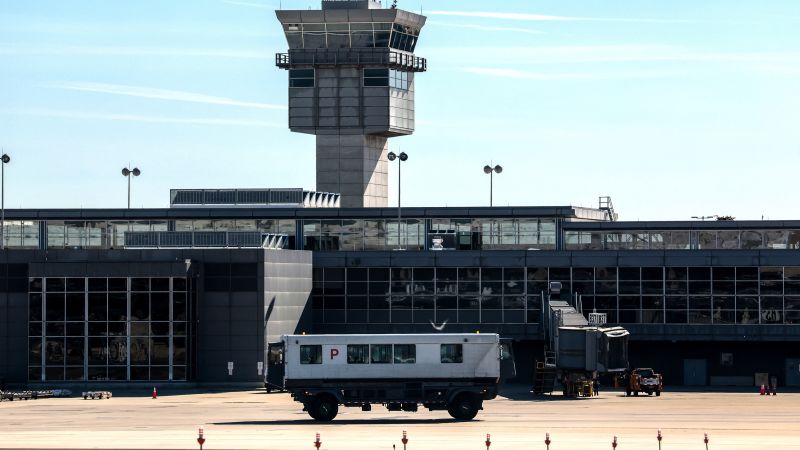
US-bound Flights from Ebola-Affected Regions Required to Land at Dulles for Health Screening
US bound flights with passengers who were – Following a surge in cases linked to the ongoing Ebola outbreak, the U.S. Department of State has mandated that all flights arriving in the United States with passengers who recently traveled to the Democratic Republic of Congo (DRC), South Sudan, or Uganda must first land at Dulles International Airport near Washington, D.C. This measure aims to identify potential carriers of the virus before they enter the country. The requirement applies to all individuals, including U.S. citizens and lawful permanent residents, who have been in these affected regions within the past 21 days.
Expanded Screening and Public Health Measures
The Centers for Disease Control and Prevention (CDC) has deployed at least 10 staff members to Dulles Airport to assist with the health evaluation process. These personnel will work alongside customs officials to monitor arriving passengers for signs of illness. Additionally, the CDC has activated Title 42, a federal law that enables temporary restrictions on entry during public health emergencies, effective Monday. This law now applies to non-citizens who have visited the DRC, Uganda, or South Sudan within the last three weeks, requiring them to undergo screening and monitoring upon arrival.
“We care about Ebola, we don’t want anyone dying or being affected by it, but our number one priority is making sure it doesn’t come to the United States,” stated U.S. Secretary of State Marco Rubio on Thursday. He emphasized that the second goal is to support the communities in the DRC and neighboring regions to contain the spread of the disease.
The Department of Homeland Security has confirmed that Customs and Border Protection is collaborating with airlines, international health agencies, and local officials to manage the flow of travelers. This includes identifying individuals who may have been exposed to the virus and implementing targeted interventions. A recent incident involving an Air France flight from Paris’ Charles de Gaulle Airport highlighted the effectiveness of these measures. The flight, which was en route to Detroit, was temporarily rerouted to Montreal on Wednesday after a Congolese passenger was denied entry due to health concerns.
According to the airline, the passenger had boarded the flight by mistake and was prohibited from landing in Detroit. The Customs and Border Protection (CBP) agency, working in partnership with the CDC, has taken steps to isolate potentially infected travelers and prevent the virus from entering the U.S. A spokesperson for the Public Health Agency of Canada noted that a quarantine officer assessed the individual and found no symptoms, allowing the passenger to return to Paris after the flight resumed its original course.
Screening Process and Disease Containment Strategy
At Dulles Airport, travelers from the DRC, Uganda, or South Sudan will be directed to a designated area for health assessments. This process involves asking about recent travel history and checking for symptoms such as fever or fatigue. CDC workers will also measure temperatures and observe physical indicators of illness. The agency described this as part of a “layered approach” to strengthen existing public health protocols, which include identifying symptomatic individuals before they board domestic or international flights.
Those who show no symptoms will receive informational materials on what to do if they develop signs of illness and be allowed to proceed to their destinations. Their contact details will be shared with state and local health departments for follow-up monitoring. In contrast, travelers with fever or other possible symptoms—who are suspected of being infected or exposed to Ebola—will be taken directly to a hospital for isolation and testing. The CDC has also pledged to inform fellow passengers of any confirmed cases, ensuring transparency and coordination with local health authorities.
Global Implications and Ongoing Surveillance
The CDC has acknowledged that while the outbreak remains a concern, it currently poses a low risk to the general public in the U.S. However, officials stress that the situation is dynamic and may require adjustments to public health measures as new data emerges. The agency reported over 600 suspected Ebola cases and 160 deaths across the DRC and Uganda, underscoring the urgency of the screening program. This figure includes both confirmed infections and individuals under investigation for possible exposure.
One notable case involved an American physician, Dr. Peter Stafford, who contracted the virus while working in the DRC. He has been hospitalized in Germany, where his wife, Dr. Rebekah Stafford, and their four children are also being monitored. The Staffords’ situation highlights the global reach of the outbreak and the importance of stringent measures to prevent cross-border transmission. The CDC has maintained that the current protocols are sufficient to manage the risk, but they remain vigilant about the evolving nature of the crisis.
Coordination and Support at Dulles Airport
The Dulles International Airport Authority has assured the public that the new screening requirements will not significantly disrupt the travel experience for most passengers. A spokesperson noted that federal partners, including the CDC, are providing additional staff and resources to ensure the process is efficient and thorough. This collaboration is essential for maintaining the integrity of the airport’s operations while addressing the health threat posed by the Ebola outbreak.
While the focus of the policy is on preventing the virus from entering the U.S., it also reflects a broader strategy to strengthen international health partnerships. The CDC has been working closely with regional health organizations to share data and coordinate responses. These efforts are critical for containing the outbreak in Africa and mitigating its spread to other parts of the world. The agency emphasized that the layered approach—combining screening, monitoring, and communication—will help slow the transmission of the disease, even as global travel continues to rise.
Experts caution that the policy must balance security with the economic impact of travel restrictions. While some airlines have reported temporary delays, the CDC maintains that the measures are necessary and proportionate. The agency has also urged travelers to remain proactive by reporting symptoms and adhering to health guidelines. This proactive stance is vital for protecting both public health and international cooperation in the face of the ongoing crisis.
Summary of Key Details
The new requirement for US-bound flights from Ebola-affected regions to land at Dulles Airport is part of a comprehensive strategy to safeguard the nation against the virus. This includes deploying CDC staff, invoking Title 42, and implementing a multi-step screening process. While the policy may cause minor inconveniences, officials believe it is an effective tool in preventing the introduction of Ebola into the United States. The outbreak’s scale in the DRC and Uganda underscores the importance of these measures, as the global health community works to contain the disease and support affected regions.





