
Asheville Seniors Form Pod During Hurricane to Age in Place
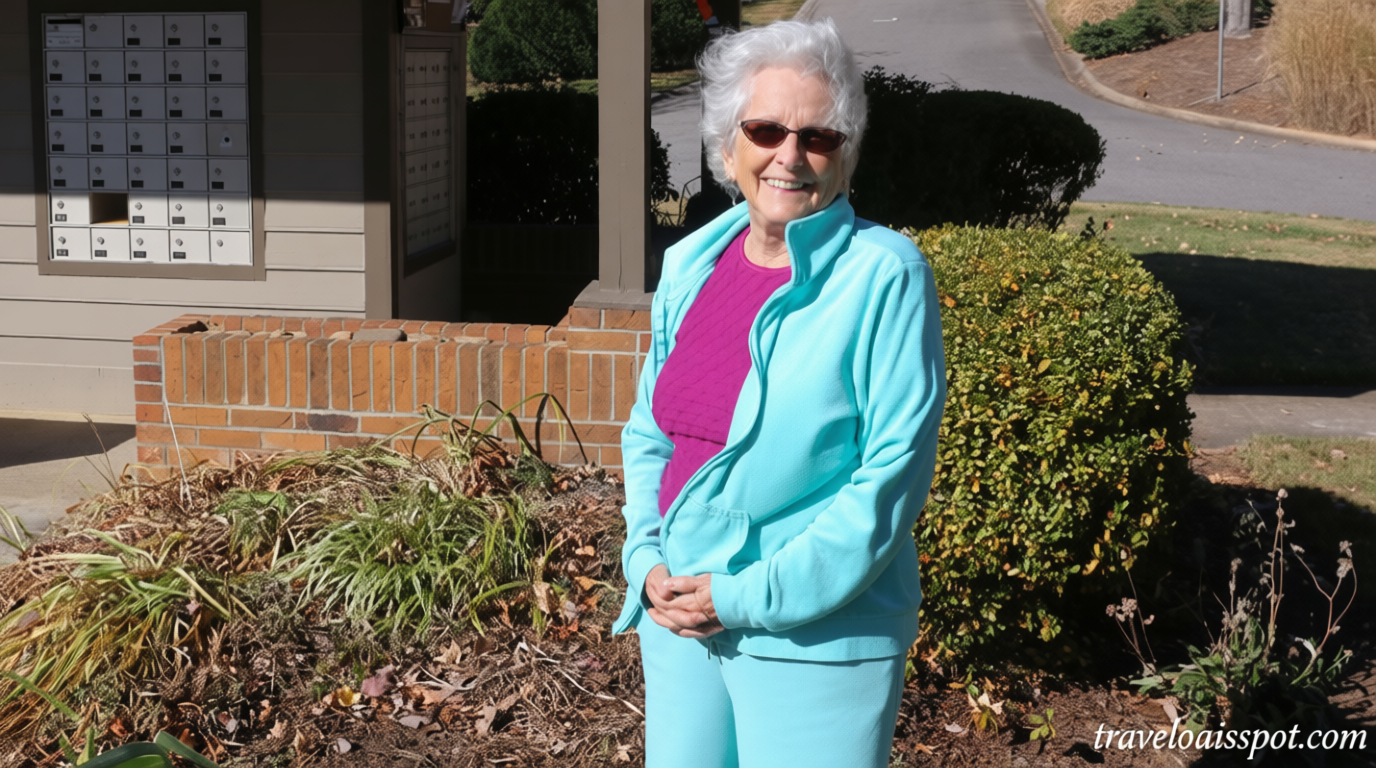
During a hurricane Asheville seniors formed – In the wake of Hurricane Helene, Asheville seniors during the hurricane found a unique way to support one another as they navigate aging in place. Nancy Miller-Green, a 83-year-old community member, took it upon herself to organize weekly gatherings at her home, ensuring that neighbors remained connected despite the chaos. These evenings, which often feature shrimp and corn chowder, are more than just meals—they serve as a lifeline for seniors who face isolation. As Miller-Green checks in with Maria Pugliese, 51, the conversation turns to how the group’s resilience has become a model for sustainable aging. The pod, a small but dedicated circle of eight individuals, includes former social workers and therapists who share a common goal: preserving independence while building a sense of belonging.
Creating Community Amidst Crisis
During a hurricane Asheville seniors have discovered that collective action can strengthen their ability to live independently. The group’s informal structure allows members to adapt to changing needs, whether it’s helping with yard work or simply sharing stories. Notably, half of the members identify as lesbians, and many lack children to rely on for care. This makes their weekly meetings all the more vital. As the sun sets, the ambiance of their gatherings shifts, with laughter and lighthearted teasing blending into deeper reflections on life. “It’s about learning to lose,” says Jean Cassidy, 79, echoing the emotional challenges of aging. The conversations are raw and real, yet they’re anchored by the warmth of shared experience.
The pod’s formation was a direct response to the disruption caused by the hurricane in Asheville. After the storm left residents questioning their capacity to age in place, this community initiative emerged as a symbol of hope. Nancy Miller-Green’s brother, David Nimmons, has since proposed an intergenerational living model to expand the program’s reach. The concept, developed in partnership with the Stonewall Community Development Corp, pairs older adults with younger caregivers in a mutually beneficial arrangement. This approach not only aids seniors in maintaining autonomy but also offers younger individuals opportunities for financial stability and meaningful connection.
Intergenerational Living for Broader Impact
During a hurricane Asheville seniors have pioneered a novel model that combines housing with care support. The Stonewall Bridge initiative, which originated from the group’s resilience, envisions seniors donating homes to nonprofits in exchange for income and a caregiver’s presence. This arrangement ensures affordability and continuity for future residents, while preserving the community’s cultural legacy. “The transmission of our culture cannot be left to chance,” Nimmons explains, emphasizing the importance of intergenerational bonds. The idea has already sparked interest beyond Asheville, with plans to implement similar programs in New York and South Florida, where LGBTQ populations are prominent.
While the pod’s current focus is on immediate needs, its long-term vision extends to creating a sustainable framework for aging in place. Members like Va Boyle, 91, highlight how the group has become a refuge for those who have lost friends to illness or moved away. “We all want to see you,” Miller-Green says, capturing the essence of the community’s commitment. These interactions, though casual, reveal the emotional and practical support that seniors during the hurricane require. By fostering a network of care, the pod demonstrates how resilience can be cultivated through shared purpose and collective effort.
As the program evolves, it serves as a case study for how aging in place can be reimagined. During a hurricane Asheville seniors have proven that community-driven solutions can address both the practical and emotional challenges of aging. Their model emphasizes flexibility, with a sharegiver assisting with tasks like sewing buttons and errands. This adaptability is crucial in a post-hurricane environment, where traditional support systems may be strained. The pod’s success has inspired broader conversations about the role of community in aging, offering a blueprint for others seeking to maintain independence amid adversity.





