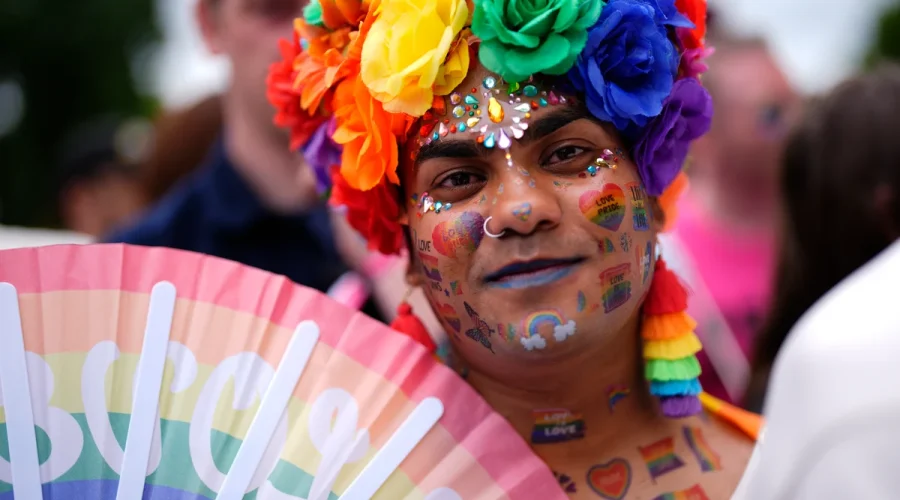
London Pride 2026 LIVE: A Sea of Color as LGBTQ+ Celebrations Sweep the City
London Pride 2026 LIVE – As the 2026 London Pride parade commenced, the streets of the capital were alive with vibrant energy, drawing an estimated 1.8 million spectators to witness the annual celebration of diversity and inclusion. The event, known for its festive atmosphere and inclusive spirit, began its journey through central London, passing by iconic landmarks that have long been associated with the LGBTQ+ community.
The March Begins
The procession, which started at Hyde Park around midday, is set to conclude its route in Whitehall by 6 p.m. Organizers estimate that over 35,000 participants will walk alongside the crowd, carrying flags, chanting slogans, and showcasing the unity of the community. The parade is not just a display of color but a powerful statement of solidarity, with floats and performers adding to the lively ambiance.
Among the marchers, groups like Queers for Palestine have made their presence known, marching down Piccadilly while raising posters that criticize Israel’s actions and the practice of “pinkwashing.” This term refers to the idea that countries promote gay rights to enhance their global image, even as they support policies that harm the LGBTQ+ community. A marcher, who chose not to reveal their identity, emphasized their cause with a simple yet impactful declaration: “Free Palestine.” Another participant, Arman Khan, echoed this sentiment, stating, “We’re against pinkwashing,” as they waved a large flag to signal their commitment.
Corporate and Cultural Participation
The parade has attracted a diverse range of participants, including major companies such as Lidl, Tesco, and Ikea. These sponsors have contributed to the event by funding floats that highlight messages of love and acceptance. For example, Ikea’s float proudly displayed the slogan: “Love doesn’t require instructions,” a call to celebrate natural affection without judgment.
Local football clubs, including Arsenal, West Ham, and Crystal Palace, have also joined the celebration, demonstrating the broad appeal of the event. Their involvement underscores the intersection of sports and social advocacy, as athletes and fans come together to support LGBTQ+ rights. Peter Tatchell, a prominent activist, was at the forefront of the march, carrying a banner that read: “World Cup – 11 countries ban gay footballers – shame!” He used the platform to draw attention to the issue of gay footballers being excluded from teams in 11 nations during the ongoing World Cup, a situation he described as “against Fifa rules, but Fifa is doing nothing.”
Speaking to the Press Association, Tatchell stressed the urgency of the issue, explaining, “We’re marching in London Pride today to highlight the fact that at the World Cup, which is ongoing right now, 11 countries ban gay footballers from their team. That’s very dangerous, very threatening to all of us.” His words resonated with the crowd, who gathered in droves to support the cause and celebrate the parade’s message of unity.
Mayor’s Involvement and the Climate of Tolerance
London Mayor Sadiq Khan, a steadfast advocate for LGBTQ+ rights, was among the first to lead the march, wearing an England football shirt as he joined the chants of “Happy Pride.” His participation highlighted the city’s commitment to inclusivity, with the mayor accompanied by Andrew Boff, a Conservative London Assembly member, and air quality campaigner Rosamund Adoo-Kissi-Debrah. This collaboration across political lines reflects the widespread support for the event.
Khan, who has been a vocal supporter of Pride since his election in 2016, shared his enthusiasm in a statement: “I’m delighted that London’s diverse LGBTQI+ communities and allies are once again joining together in the heart of our capital for our world-renowned Pride celebrations and march of solidarity. Pride is one of the highlights of my year, and it is an honor to have been on every march since I was first elected.” His presence added a layer of significance to the parade, as he continued to champion the cause of equality and visibility.
The parade’s route took participants through Hyde Park Corner, moving along Piccadilly before heading south toward Trafalgar Square. The iconic square, with its historic statues and bustling atmosphere, became a backdrop for the march as it approached Whitehall. The Met Police have reiterated their commitment to ensuring safety, stating that there will be “no tolerance of hate crime” during the event, which is expected to draw over a million people to the streets.
A Celebration for All
With more than 600 organizations participating, the parade has become a microcosm of London’s social fabric. From established institutions like Deutche Bank and the NHS to grassroots groups such as the Waterlily collective, which supports South Asians within the LGBTQ+ community, the event showcases the city’s wide-ranging support for inclusivity. The parade’s organizers have emphasized that it is “for everyone,” creating an environment where all identities can be celebrated.
As the procession unfolded, the atmosphere was electric, with cheers and chants echoing through the streets. One activist described the scene as a “powerful reminder of the progress we’ve made and the work that still lies ahead.” The parade not only highlights the joy of being part of a supportive community but also serves as a platform for raising awareness about ongoing challenges faced by the LGBTQ+ population.
While the parade is a celebration of love and acceptance, it also serves as a rallying point for those who wish to voice their concerns. Tahir Kesai, a 50-year-old property worker, shared his perspective: “We decided to march because we think it’s important to be here. We’re too passionate about this cause to not participate.” His words reflect the broader sentiment of the marchers, who use the event to advocate for their beliefs and inspire others to join their movement.
For many attendees, the parade is more than just a spectacle—it’s a symbol of resilience and hope. The combination of music, art, and activism creates a dynamic environment where people from all walks of life come together to celebrate diversity. As the march progresses, the city becomes a living canvas of color and expression, with every step contributing to the message of inclusion and equality.
Photographers have captured the highlights of the parade, from the colorful floats to the enthusiastic crowd. Images of the event’s opening stages have been shared online, offering a glimpse into the vibrant scenes of the day. Meanwhile, a selection of pictures from last year’s parade has been posted to give fans a sense of the tradition and excitement that defines this annual celebration.
As the parade winds its way through the capital, it serves as a testament to the enduring strength of the LGBTQ+ community in London. With its blend of cultural pride, political activism, and public support, the event continues to make a lasting impact, reminding all who participate and watch that the fight for equality is as vital as ever.