PM Offers Formal Apology to Forced Adoption Survivors, Acknowledging State’s Role in Historical Practice
A Historic Moment in Parliament as Sir Keir Starmer Addresses the Legacy of Coercive Adoption
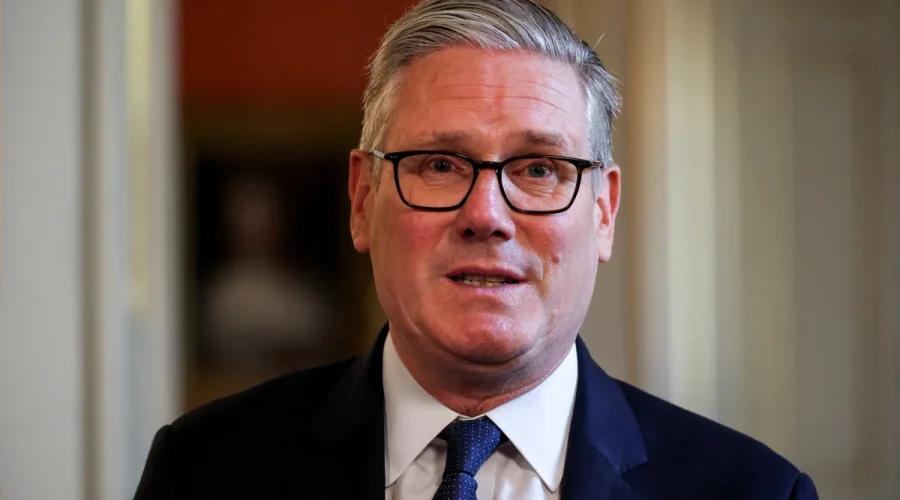
PM tells forced adoption survivors shame – In a poignant moment within the House of Commons, Sir Keir Starmer extended a long-awaited apology on behalf of the UK government for the historical practice of forced adoption, which targeted unmarried mothers. The Prime Minister described the policy as a “stain on our history,” emphasizing its lasting impact on families and individuals. This acknowledgment marks a significant shift in the narrative surrounding a system that once stripped women of their rights to parent, often under societal pressure and institutional control.
During the parliamentary session, mothers who had lost their children to adoption watched as the Prime Minister spoke. Many had spent decades fighting for recognition of their experiences, and their presence in the gallery underscored the emotional weight of the apology. Starmer’s words echoed those of the Church of England’s lead bishop, who had issued a similar apology in March, highlighting the shared responsibility of religious and secular institutions in perpetuating the practice.
“
The shame was never yours, the shame is ours.
”
Starmer’s statement was clear and direct, countering the long-standing belief that adoption was a saving grace for children. “Mothers, many young and vulnerable, were coerced, bullied, or misled into believing they had no choice but to surrender their children,” he said. The Prime Minister emphasized that these actions were not isolated incidents but part of a systemic approach across local authorities, faith-based organizations, and healthcare services. This framework, which often lacked compassion and consent, has now been officially recognized as a failure of institutional support.
Estimates suggest that between 1949 and 1976, approximately 185,000 babies of unmarried mothers were placed through forced adoption in England and Wales. Though exact numbers remain elusive, the scale of the issue has been well-documented by campaigners and historians. These women, often from lower-income backgrounds, faced societal stigma and were pressured into relinquishing their children, sometimes through legal means or moral persuasion.
Starmer acknowledged the “double injustice” experienced by survivors, noting that their suffering was prolonged by the delay in state recognition. Ahead of his parliamentary address, the Prime Minister had met with campaigners at Downing Street, where he reiterated the gravity of their experiences. “These mothers were told they were unfit, and their children were taken from them, leaving a legacy of grief and loss,” he explained. The apology also highlighted how the state’s policies enabled the practice, with governments funding and relying on systems that lacked adequate oversight.
While the Welsh and Scottish governments had previously issued formal apologies in 2023, the Westminster administration was the last to officially address the issue. The Joint Committee on Human Rights had recommended an apology in 2022, citing the government’s responsibility for the suffering caused by institutions that “railroaded mothers into unwanted adoptions.” However, the previous Conservative government had argued that the state was not the primary driver of the practice, stating that it was “society” rather than the government that bore the blame.
Starmer’s speech marked a turning point, as he acknowledged the role of public institutions in enforcing the policy. “These were practices embedded in systems that operated without dignity or proper safeguards,” he said. The apology specifically recognized the emotional and psychological harm endured by mothers, as well as the lifelong trauma of children who were separated from their families. For many, this acknowledgment came as a long-awaited validation of their struggles.
Among the most affected were the adult adoptees who had grown up without knowing their biological origins. Starmer highlighted how these individuals were “denied their identity, their history, and sometimes their safety” through the coercive mechanisms of the time. “The loss they’ve carried for decades is now being acknowledged, and that is a profound step forward,” the Prime Minister stated. The apology also paid tribute to the resilience of the women who had campaigned tirelessly for justice, despite years of systemic neglect.
The Movement for an Adoption Apology (MAA), a campaign group established in 2010, welcomed the recognition. “Though this apology has come too late for many, it is a crucial moment in repairing the damage done to generations of families,” the organization noted. They emphasized that the state’s delayed response had compounded the trauma, with survivors now able to see their experiences as part of a broader historical injustice. The group also praised the emotional impact of the moment, describing how attendees in the gallery were visibly moved by the Prime Minister’s words.
Starmer’s address drew parallels to the broader themes of accountability and reform. By formally apologizing, the government not only admitted fault but also opened the door for future reparations. The Prime Minister outlined the need for systemic changes to address the legacy of forced adoption, including better support for mothers and a reevaluation of past policies. “This is not just about history—it is about ensuring that no one is left behind in the future,” he asserted.
The apology has sparked renewed discussions about the role of public institutions in shaping family lives. Critics argue that the state’s responsibility was clear, given its funding of the systems that enforced adoption. Meanwhile, some have called for further action, such as compensation for survivors and the integration of adoption history into educational curricula. “The shame is ours,” Starmer repeated, a sentiment that resonated deeply with those in attendance.
As the House of Commons concluded the session, the emotional resonance of the apology lingered. For the mothers and children who had endured years of silence and stigma, the words of the Prime Minister offered a sense of closure. The ceremony served as a reminder that historical injustices can be addressed through collective acknowledgment and a commitment to change. In the years to come, the hope is that this recognition will pave the way for a more compassionate approach to adoption and family policy in the UK.
The legacy of forced adoption continues to shape the lives of those affected. With the government now taking responsibility, the path to healing and reparations has been set. As Starmer concluded his remarks, he left the room with a clear message: the state’s role in this history is not just to be remembered, but to be corrected. The apology stands as a testament to the power of truth and the importance of giving voice to those who were once silenced.