
5 Things to Know for May 20: Election Night Takeaways, IRS Immunity, Mosque Shooting, Virus Concerns, Raúl Castro
Underwater Rescue Mission in the Maldives Sparks Global Attention
5 things to know for May 20 – Famous for its opulent resorts and pristine waters, the Maldives has recently drawn international focus due to a high-stakes search operation. Five seasoned Italian divers embarked on a mission to explore an intricate underwater cave system, aiming to uncover marine treasures. However, their disappearance has left authorities scrambling to locate them. The incident has raised questions about safety protocols in remote diving expeditions and the potential risks posed by such environments. While the divers’ fates remain uncertain, the event underscores the unpredictable nature of underwater exploration.
Trump’s Strategic Wins in Primary Races
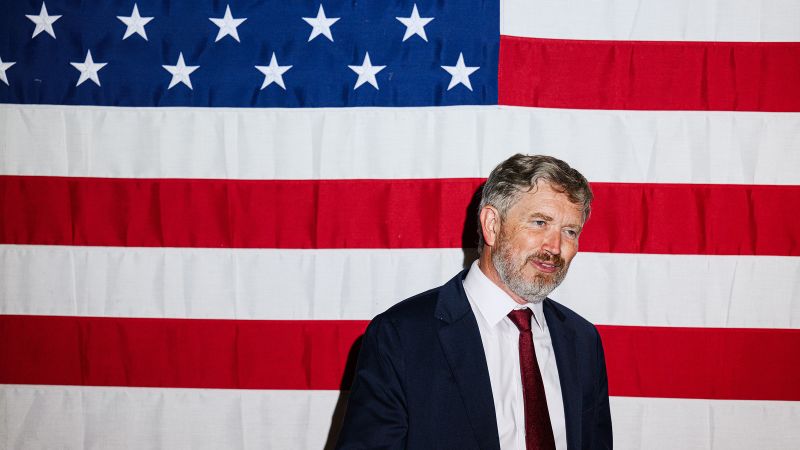
Despite not appearing on the ballot, President Donald Trump is celebrating recent successes in primary elections. On Tuesday, he played a pivotal role in the downfall of Rep. Thomas Massie, a Republican who had previously opposed him. This marked the second instance in a week where Trump effectively neutralized a fellow party member, demonstrating his influence even in contested races. The political maneuvering highlights his ability to rally support and reshape the GOP landscape, though it also sparks debates about loyalty and party unity within the Republican ranks.
IRS Immunity Agreement Unveiled
The Internal Revenue Service has reached a significant agreement that grants it immunity from audits related to past tax disputes involving President Trump and his family. This development was announced by the Justice Department on Tuesday as part of a settlement resolving a $10 billion legal battle. The new terms ensure that the IRS cannot scrutinize the former president’s financial records for certain periods, easing tensions over tax accountability. Critics argue the deal could set a precedent for future disputes, while supporters view it as a necessary compromise to resolve long-standing litigation.
San Diego Mosque Shooting: Racist Motives Under Investigation
Following a deadly attack at a San Diego mosque, investigators are delving into the suspects’ backgrounds and online activities to understand their motivations. Two teenage gunmen, whose actions were streamed live, left behind a written manifesto that included references to racist, Islamophobic, and antisemitic ideologies. The incident has reignited discussions about the role of extremist rhetoric in real-world violence, prompting calls for increased community vigilance and targeted outreach to at-risk groups. The case also raises concerns about the ease with which such ideologies can spread in the digital age.
Global Health Warnings Amid Rising Outbreaks
The World Health Organization has issued a critical alert about the escalating Ebola crisis in central Africa, labeling the outbreak as a cause for “serious concern” due to the surge in suspected cases. Over 500 infections have been reported, resulting in 130 fatalities, prompting urgent international response efforts. Meanwhile, in the United States, authorities are monitoring the spread of the hantavirus, which has led to new quarantine measures for passengers from a recently affected cruise ship. These developments highlight the dual challenges of combating both local and global health threats.
Former Cuban Leader Faces Long-Awaited Indictment
Former Cuban President Raúl Castro is set to face charges today, the culmination of a legal campaign spanning over three decades. The indictment centers on his alleged role in orchestrating the downing of two civilian planes operated by the Cuban-American group Brothers to the Rescue in 1996. As Cuba’s defense minister at the time, Castro is accused of authorizing the attacks, which were linked to the U.S. embargo. This long-awaited action signals a shift in how historical events are being reevaluated through modern legal lenses, even as Castro remains a revered figure in Cuban politics.
Technology Innovations: The Future of Wearables
The world of wearable technology is expanding beyond traditional devices like smartwatches. A breakthrough in biotechnology has sparked interest in artificial egg incubation, with a company successfully hatching 26 chicks using lab-grown eggs. This innovation could offer new solutions for preserving endangered species, particularly those facing habitat loss or breeding challenges. Meanwhile, in Dubai, XPANCEO is developing a smart contact lens prototype, which promises to integrate features such as GPS navigation and augmented reality. The company envisions a commercial release by 2030, positioning the lens as a revolutionary step in wearable tech. CNN’s Ivana Scatola recently tested the device, highlighting its potential to transform how individuals interact with digital information on a daily basis.
Real Estate Shifts and Travel Restrictions
Concerns about unruly tourist behavior have prompted Thailand to announce the termination of its 60-day visa-free entry program for international visitors. The policy, which had allowed travelers from over 60 countries, including the United States, to enter without prior visa applications, is set to expire today. This decision reflects growing frustration with the impact of tourism on local communities and infrastructure. In a separate development, Zillow may soon see a surge in listings disappearing from its platform, driven by a combination of market trends and investor sentiment. The company’s data suggests that thousands of properties could be removed from public view, raising questions about the transparency of real estate markets.
As these events unfold, the interconnectedness of global issues becomes evident. From underwater searches to political strategies, health crises to technological advancements, the day highlights the diverse challenges shaping the world. The Maldives incident serves as a reminder of the risks in natural exploration, while Trump’s actions illustrate the power of political influence. The IRS immunity agreement and mosque shooting underscore ongoing debates about accountability and extremism, and the news of Raúl Castro’s indictment adds a historical dimension to current legal trends. Meanwhile, the advancements in wearable tech and real estate dynamics point to evolving innovations and market behaviors. Together, these stories paint a complex picture of a rapidly changing world, where each development carries its own implications and lessons.
“Warrants serious concern” is the World Health Organization’s assessment of the Ebola outbreak in central Africa, emphasizing the urgency of global collaboration to contain the virus.
With so many stories converging on May 20, it’s clear that the day will be remembered for its multifaceted impact. Whether it’s the search for missing divers, the political reshuffling in primary races, or the cutting-edge developments in biotechnology and wearables, each event contributes to a broader narrative of progress and peril. The WHO’s statement about the Ebola situation reminds us that public health remains a critical priority, while the quarantine measures for hantavirus patients reflect the ongoing threat of infectious diseases. Raúl Castro’s indictment adds a historical layer to the day’s events, showing how past actions can be revisited through contemporary legal frameworks. Meanwhile, Thailand’s decision to end its visa-free program and Zillow’s potential listing changes highlight the dynamic interplay between policy and economic trends. As the day progresses, these stories will continue to shape public discourse and future directions in their respective fields.





