
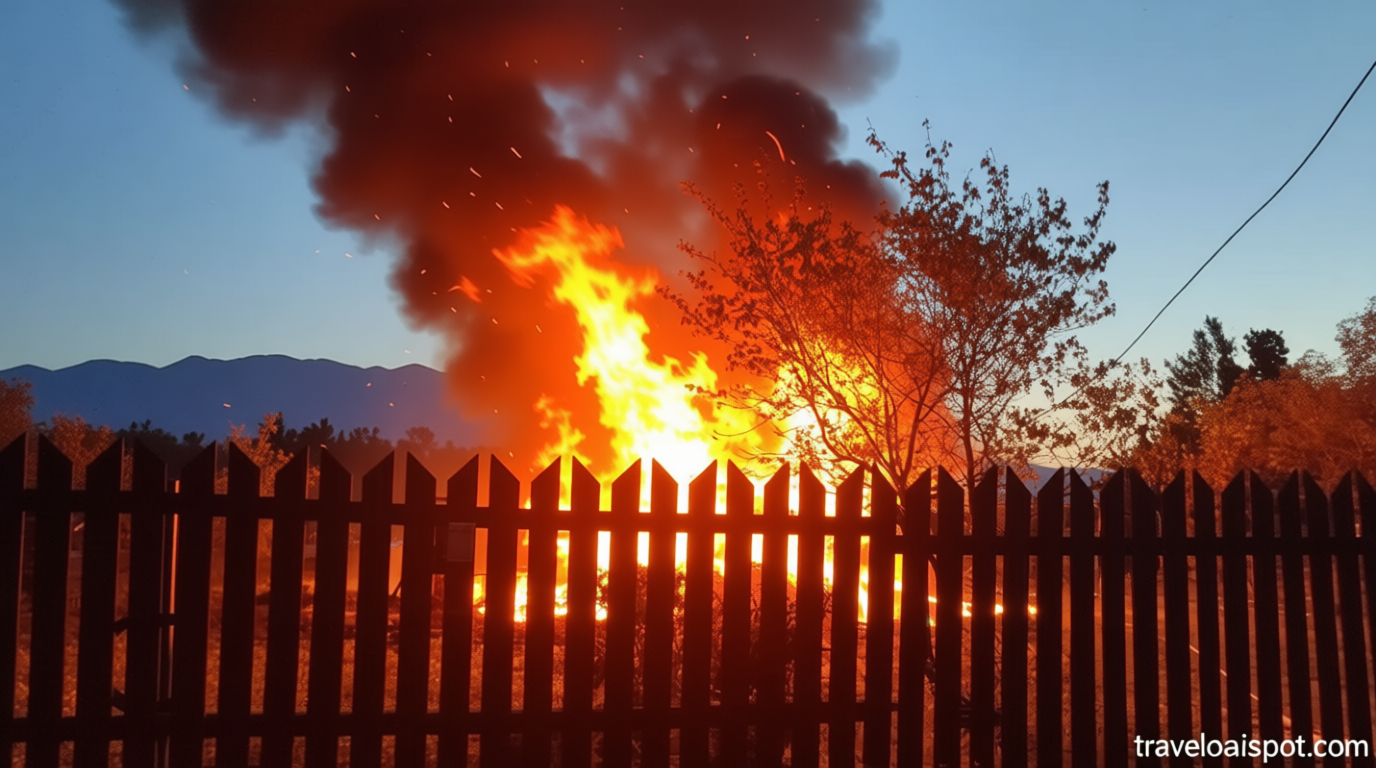
Ukraine’s Largest Attack on Moscow in Over a Year, Russian Media Reports
Drone Strikes Target Moscow, Causing Widespread Damage
Ukraine attack largest in over a year – Ukraine launched its most significant attack on Moscow in over a year, as reported by Russian state media. The assault, which targeted multiple locations across the city, resulted in at least three deaths and extensive damage to infrastructure. Local and military officials confirmed the scale of the destruction, highlighting the growing intensity of Ukrainian operations against Russian territory. This incident comes after a wave of Russian strikes on Kyiv earlier in the week, where 25 people lost their lives and dozens were injured, according to Ukrainian authorities. The coordinated strikes on Moscow suggest a strategic pivot in the conflict, with Ukraine focusing on disrupting Russian installations deep within the country.
The attack’s impact varied across different areas, with specific details emerging about the casualties and damage. In Khimki, a town northwest of Moscow, a drone strike killed a woman and trapped another person under debris from the blast. Meanwhile, in Mytishchi, northeast of the capital, two men died when falling fragments damaged a house under construction at an oil refinery, injuring 12 others, including workers. The mayor of Moscow, Sergey Sobyanin, noted that the strikes aimed at vital infrastructure, underscoring the strategic importance of the targets. The incident also affected international citizens, with an Indian national confirmed dead and three others injured, marking the first direct impact on that nation’s residents.
Strategic Shift and Military Objectives
Ukraine’s military strategy has evolved to prioritize precision strikes on Russian critical infrastructure, including oil pumping stations and the Angstrom plant, which supplies semiconductors to Russia’s defense sector. These targets were chosen to cripple the country’s energy and military capabilities, according to Ukrainian officials. Analysts suggest the campaign reflects a broader effort to weaken Russia’s logistical and economic foundations. The attack on Moscow, described as the largest in over a year, demonstrates Ukraine’s growing ability to strike deep into enemy territory with reduced collateral damage.
Russia’s Defense Ministry intercepted over 556 Ukrainian drones during the assault, with more than 120 shot down before reaching Moscow. Despite these efforts, the remaining drones caused considerable disruption. A fire broke out in Subbotino village due to debris, while in Istra, residential blocks were damaged, injuring four individuals. Drone fragments also landed at Sheremetyevo Airport, Russia’s busiest hub, though no injuries or structural damage were reported. The scale of the attack highlights the escalating nature of the conflict, with both sides intensifying their operations.
Recent drone strikes on Moscow align with a noticeable shift in Ukraine’s military tactics, moving from conventional attacks to targeted precision strikes. This approach has proven effective in minimizing civilian casualties while striking key facilities. The attack’s focus on the city’s elite districts, such as Patriarchy, has also drawn attention to the psychological toll on Moscow’s residents. As the conflict continues, such strikes may become more frequent, signaling Ukraine’s determination to challenge Russia’s control over its capital.
Political and Strategic Context
Just a week prior, Russia held a scaled-back Victory Day parade, reflecting concerns over Ukraine’s increasing threat. The reduction in scale was linked to the intensification of Ukrainian strikes against oil refineries and other critical sites in Russian territory. The latest attack on Moscow appears to be a continuation of this trend, showcasing Ukraine’s capability to strike at the heart of Russian operations. This development has raised questions about the long-term implications for both nations, as the war enters a new phase of strategic aggression.
The incident underscores the evolving dynamics of the conflict, with Ukraine now prioritizing strikes on Russian infrastructure. By targeting Moscow, the attack not only disrupts the enemy’s resources but also serves as a symbolic gesture. Analysts note that such operations may pressure Russia to divert more forces to defend its capital, potentially easing pressure on Ukraine’s frontlines. As the situation develops, the focus remains on the potential for further escalation and the impact on civilian populations in both countries.





