
Hantavirus Outbreak on Cruise Ship Sparks Tenerife Evacuations
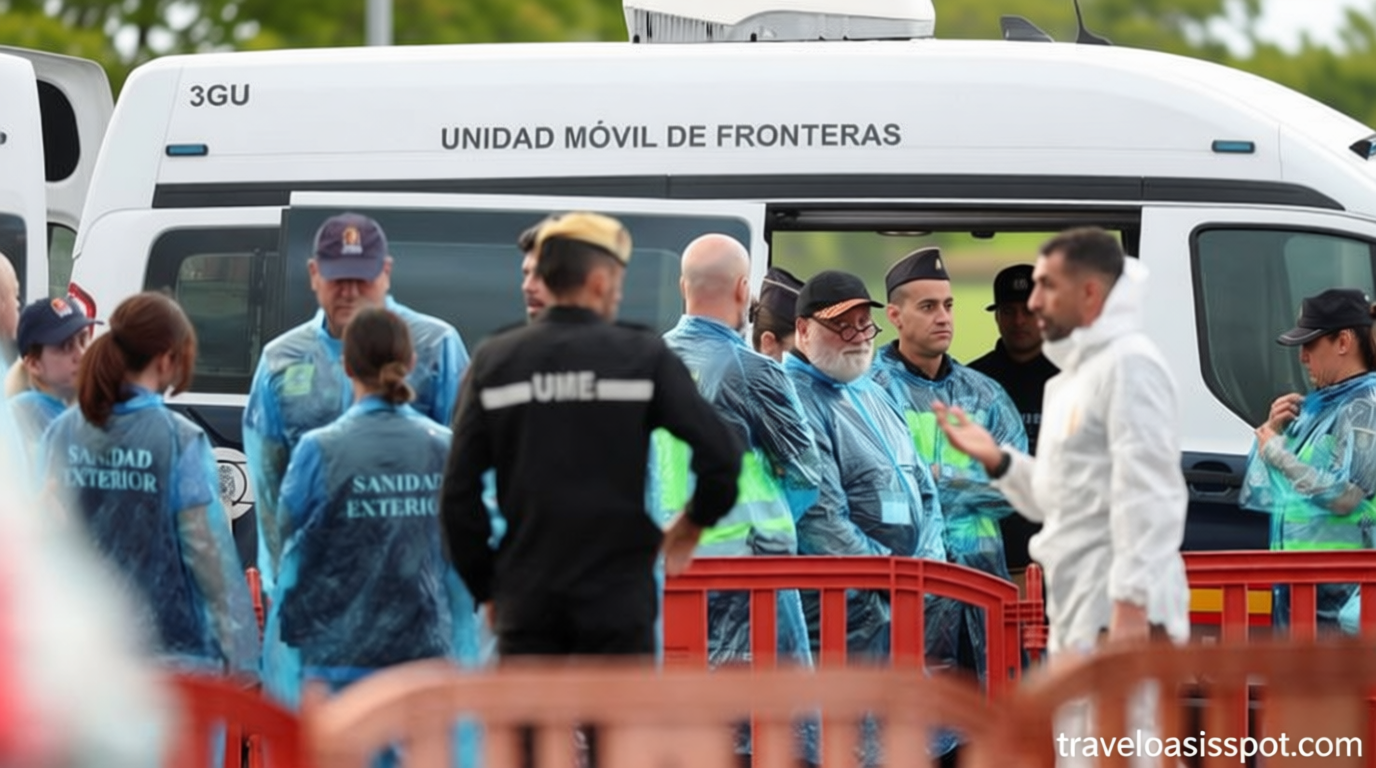
Waves of passengers aboard hantavirus hit cruise – More than 90 passengers from 19 nations were evacuated from the MV Hondius cruise ship due to a hantavirus outbreak, arriving in Tenerife for repatriation. The virus, which spreads through rodent droppings, has infected both travelers and crew, prompting swift action by Spanish health authorities. The ship docked at Granadilla on Sunday, with passengers transported via small boats to the island, where they were then driven to the airport. This coordinated effort marks a critical step in managing the health crisis, as evacuees prepare to return to their home countries.
Global Collaboration in Evacuation Process
The evacuation involved close cooperation between Spain and multiple international partners, including the US, France, Canada, and the Netherlands. Health officials reported that the operation was executed “according to plan,” with passengers organized by nationality for safe disembarkation. Oceanwide Expeditions, the cruise operator, noted that the process followed strict protocols, including the use of 10-person boat limits to minimize risk. The company also confirmed that passengers’ belongings would remain aboard until final arrangements were complete.
Among the evacuated, 18 Americans were sent to the University of Nebraska Medical Center for quarantine, as the CDC emphasized the importance of monitoring symptoms. Despite no immediate signs of illness in these cases, the facility’s National Quarantine Unit is prepared to handle potential outbreaks. Meanwhile, French nationals faced a setback when one showed symptoms mid-flight, leading to isolation and additional testing. This development highlights the urgency of the situation as health authorities work to contain the virus’s spread.
Health Protocols and Passenger Safety
Spain’s Health Minister Mónica García praised the structured approach to repatriation, stressing the importance of early symptom detection. Medical teams onboard conducted pre-boarding screenings to ensure those at risk were prioritized. The 14 Spanish passengers were sent to a military hospital in Torrejon de Ardoz, where they will stay in isolated rooms without visitors. This measure aims to prevent cross-contamination and provide focused care. PCR tests will be repeated after seven days to confirm the virus’s status.
“The sequence of disembarkation will be coordinated with arriving repatriation flights,” Oceanwide Expeditions stated, emphasizing the safety of the transfer process. The ship was anchored at a distance deemed optimal by local officials to reduce exposure risks. As the MV Hondius continues its journey to Rotterdam, the crew will undergo disinfection to ensure the vessel is free of hantavirus contamination. This step reflects the global response to the outbreak, balancing passenger safety with operational continuity.
While the evacuation proceeded smoothly, tensions emerged in the Canary Islands over the cruise ship’s presence. Regional leader Fernando Clavijo had initially opposed docking, citing concerns about public health. Local port workers also protested, expressing frustration over the lack of communication about the hantavirus threat. Despite these challenges, the operation maintained order, with officials prioritizing the well-being of the passengers and crew. The incident has sparked discussions about improved health contingency plans for maritime travel.
Global Impact and Public Health Awareness
The hantavirus outbreak on the MV Hondius has raised awareness about the virus’s potential risks, especially in enclosed environments. Spanish authorities confirmed the crisis began on May 2, with three fatalities reported since the ship’s departure from Argentina. The virus, typically found in rodents, has now affected a diverse group of travelers, underscoring the need for vigilance. Health experts warn that the outbreak could highlight gaps in onboard sanitation and medical preparedness for long voyages.
As the ship moves toward Rotterdam, the focus shifts to the crew’s health and the vessel’s thorough disinfection. The Netherlands will oversee the crew’s quarantine, ensuring they are free of the virus before resuming operations. Meanwhile, the remaining passengers on the MV Hondius will continue their journey, with heightened health monitoring in place. The incident serves as a reminder of the importance of rapid response and international collaboration in managing global health threats, even in unexpected settings like cruise ships.





