The Unforgettable Heroic Mission
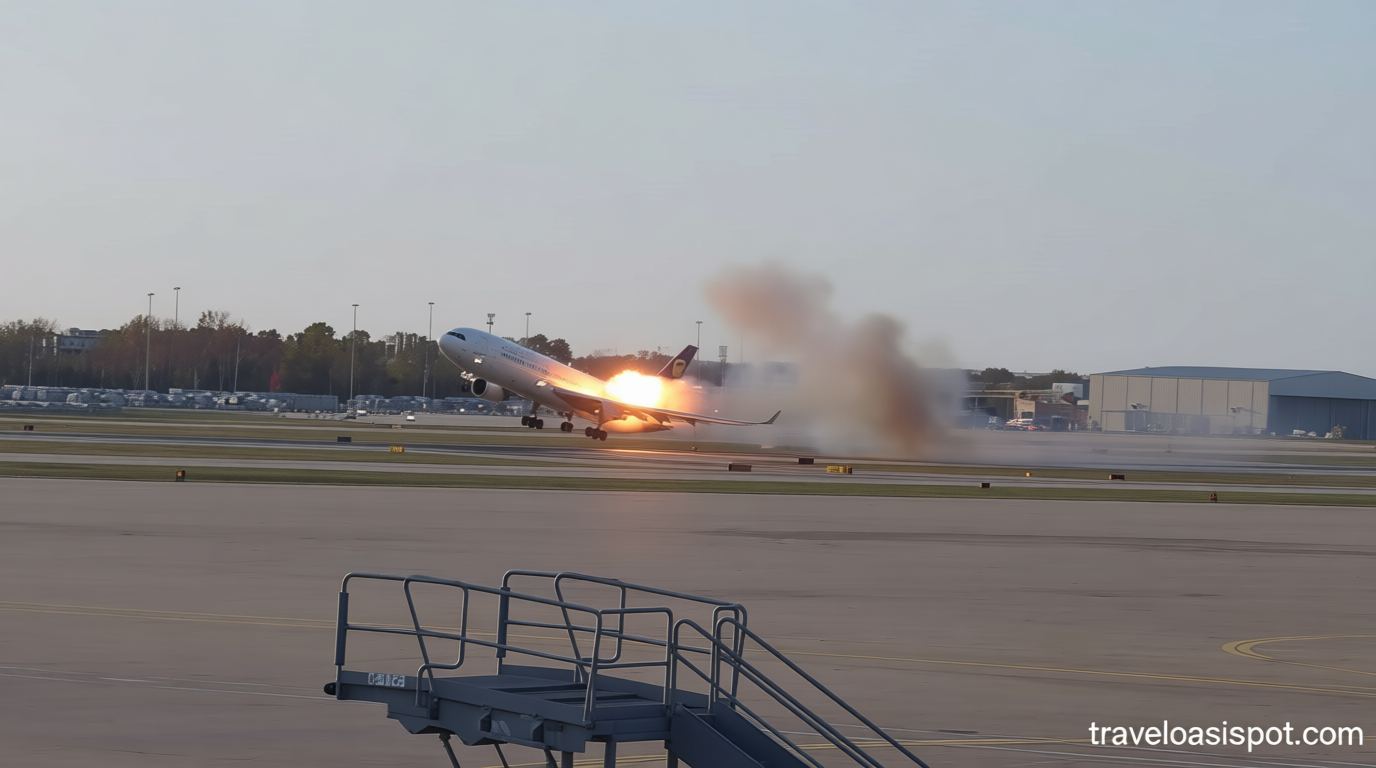
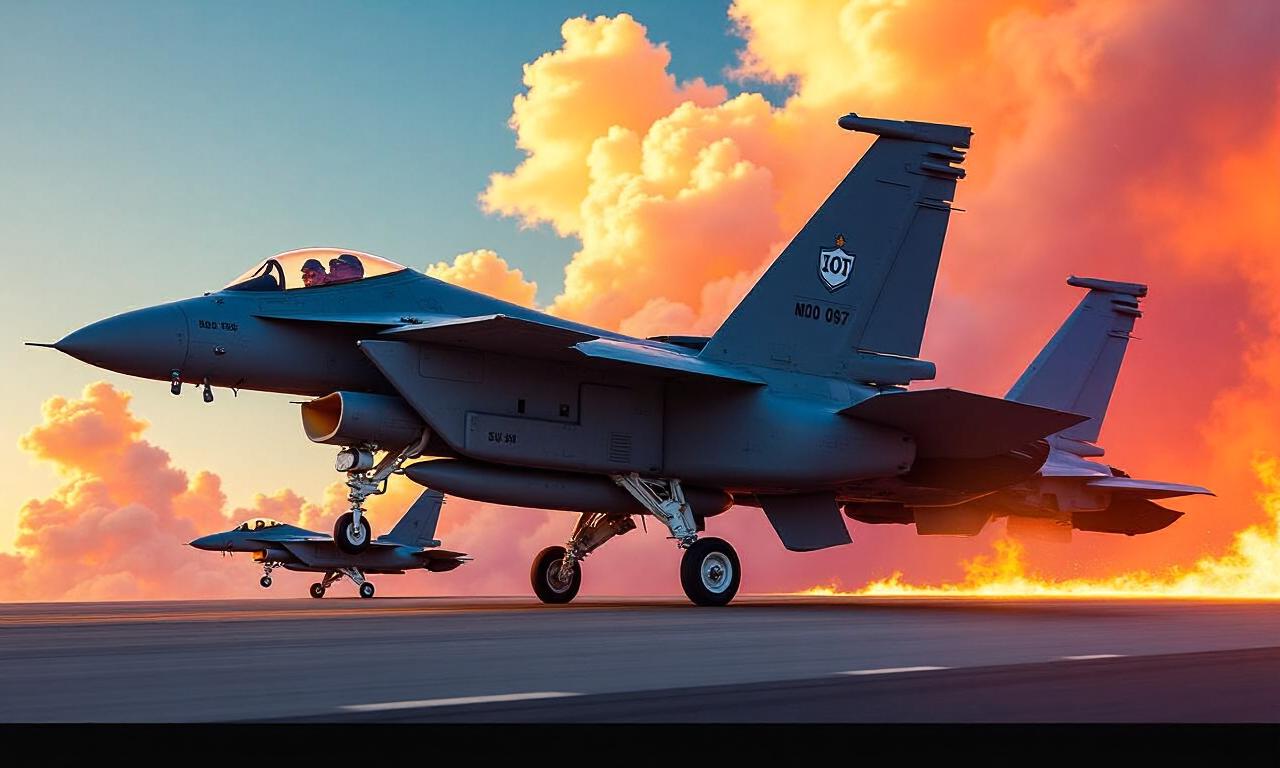
The recent F15 pilot‘s daring rescue operation has captured the attention of aviation enthusiasts and global audiences alike. During a routine training flight, the pilot encountered an unexpected crisis when their aircraft suffered a critical system failure at high altitude. With no time to lose, the F15 pilot executed a series of emergency maneuvers that turned a potentially catastrophic situation into a triumphant survival story. This incident not only showcased the pilot’s exceptional skill but also highlighted the importance of preparedness in high-speed, high-altitude aviation. As news of the event spread, social media platforms and news outlets began to share stories of the F15 pilot’s bravery, igniting a worldwide conversation about heroism in the skies.
The F15 Pilot's Background and Training
The F15 pilot involved in the mission is no stranger to high-pressure scenarios. With over 20 years of military service and extensive training in advanced flight operations, the pilot has earned a reputation for precision and composure. Their experience in simulating emergency situations during training sessions proved invaluable in the real-world crisis. The ability to remain calm and make split-second decisions is a hallmark of elite pilots, and this F15 pilot exemplifies that quality. Their background underscores the rigorous selection process and the years of dedication required to master the complexities of flying one of the most iconic fighter jets in history.
The High-Stakes Situation
The incident unfolded in the middle of a clear sky, just minutes after the F15 pilot initiated a high-speed intercept exercise. Suddenly, a warning light blared across the cockpit, signaling a malfunction in the aircraft’s hydraulics. With the plane losing control, the pilot faced a race against time to stabilize the situation. The F15 pilot’s quick response included activating backup systems and communicating with ground control for immediate assistance. The stakes were incredibly high, as the pilot was flying at an altitude of over 40,000 feet and at supersonic speeds, leaving little room for error.
Aerial Maneuvers and Courage Under Fire
In the face of the crisis, the F15 pilot demonstrated remarkable skill by steering the aircraft into a controlled descent. Using only manual controls, the pilot executed a series of tight turns and adjustments to avoid terrain and maintain stability. The maneuver required split-second timing and unwavering focus, qualities that are essential for any fighter pilot. As the aircraft neared a safe landing zone, the pilot also coordinated with rescue teams on the ground, ensuring a seamless evacuation. This display of technical prowess and mental resilience has since become a case study in emergency aviation procedures.
Global Recognition and Impact
The F15 pilot’s actions have sparked a wave of admiration and praise from around the world. Aviation experts, military historians, and even civilians have taken to social media to celebrate the pilot’s heroism, using hashtags like #F15Pilot and #SkyHeroes to amplify the reach of the story. The incident has also reignited interest in the F15 fighter jet, with many questioning its reliability and the training required to operate it under extreme conditions. Governments and defense organizations are now reevaluating the role of the F15 in modern warfare, citing the pilot’s performance as a testament to its capabilities.
Lessons from the Mission
The F15 pilot’s mission has offered valuable lessons for both military and civilian aviation. It has emphasized the importance of continuous training, especially in simulating real-world emergencies. The pilot’s ability to stay focused during the crisis also highlights the psychological preparation necessary for high-stakes operations. Additionally, the event has underscored the need for improved onboard systems and redundancy protocols in fighter jets. As the aviation community analyzes the incident, the F15 pilot’s story serves as a reminder of the human element behind every technological advancement in the field.
Inspiration for Future Generations
Beyond the technical and operational aspects, the F15 pilot’s heroic mission has inspired a new generation of aviators and aerospace enthusiasts. Young pilots, especially those in training, have cited the incident as a pivotal moment in their career choices. The pilot’s courage has also sparked discussions about the role of individual bravery in aviation history, drawing parallels to past heroes like Chuck Yeager and James Smith. As the story continues to gain traction, it’s clear that the F15 pilot’s actions have left a lasting impression, reinforcing the idea that even in the most advanced technology, human skill and determination remain irreplaceable.
The Human Element in Aviation
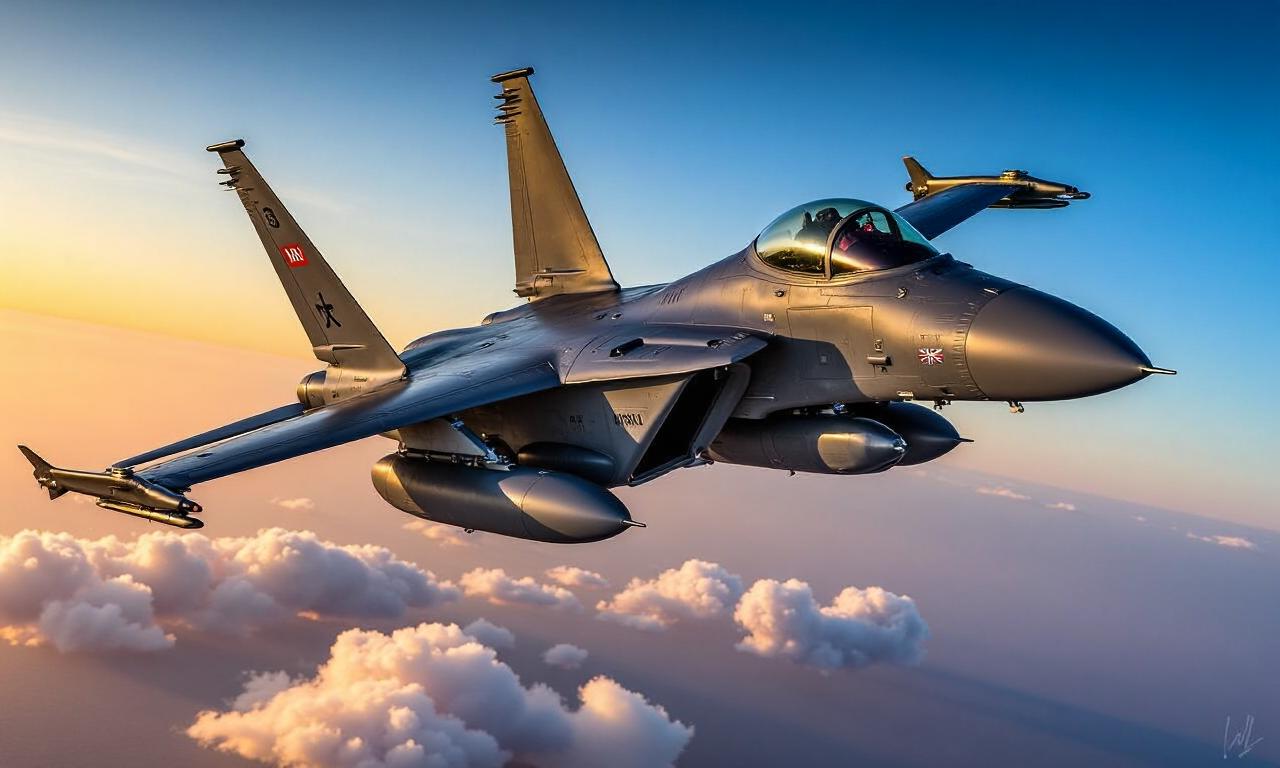
While the F15 fighter jet is a marvel of engineering, the F15 pilot’s heroism reminds us that aviation is as much about human expertise as it is about machine capability. The pilot’s decision-making process, mental resilience, and physical endurance during the emergency have become focal points in recent analyses. Experts now highlight how the F15 pilot’s experience and training allowed them to navigate the crisis with composure, setting a benchmark for future operations. This incident has also prompted a renewed appreciation for the everyday risks that F15 pilots and other aviators face, emphasizing the vital role they play in national defense and global security.
A Legacy of Courage and Precision
The F15 pilot’s mission is more than just a single event—it has become a symbol of courage and precision in the aviation world. As the story of their survival continues to circulate, it’s shaping public perception of military aviation and the individuals who operate these aircraft. The F15 pilot’s actions have not only saved lives but also reinforced the value of training, teamwork, and quick thinking in high-stakes situations. Their legacy is now being studied in aviation academies, where the incident is used to illustrate the importance of preparation and adaptability.
The Future of F15 Pilots and Aviation Training
Looking ahead, the F15 pilot’s mission has sparked a reevaluation of training programs and emergency protocols for fighter jet pilots. Defense agencies are now exploring new technologies and methodologies to enhance pilot readiness and reduce the risks of such incidents. The F15 pilot’s performance has also highlighted the need for psychological support systems for aviators, especially those operating in high-pressure environments. As the aviation industry continues to evolve, the lessons from this event will undoubtedly influence future training standards and the way pilots are prepared for the unexpected.
Frequently Asked Questions
Q: What made the F15 pilot‘s mission so heroic? A: The F15 pilot‘s ability to stabilize the aircraft during a critical system failure at high altitude and execute a safe landing demonstrated exceptional skill and bravery.
Q: How did the F15 pilot manage to control the aircraft without hydraulics? A: By relying on manual controls and precise communication with ground teams, the F15 pilot maintained control through a combination of training, focus, and quick thinking.
Q: Is the F15 pilot‘s story being used in aviation education? A: Yes, the F15 pilot‘s actions are now studied in training programs to highlight the importance of emergency protocols and human resilience.
Q: What does this incident say about the F15 fighter jet? A: While the F15 is a reliable aircraft, this event underscores the importance of pilot training and the role of human expertise in aviation safety.
Q: How has the global community responded to the F15 pilot‘s actions? A: The F15 pilot‘s heroism has been widely celebrated, with many praising their courage and highlighting the broader significance of their mission.