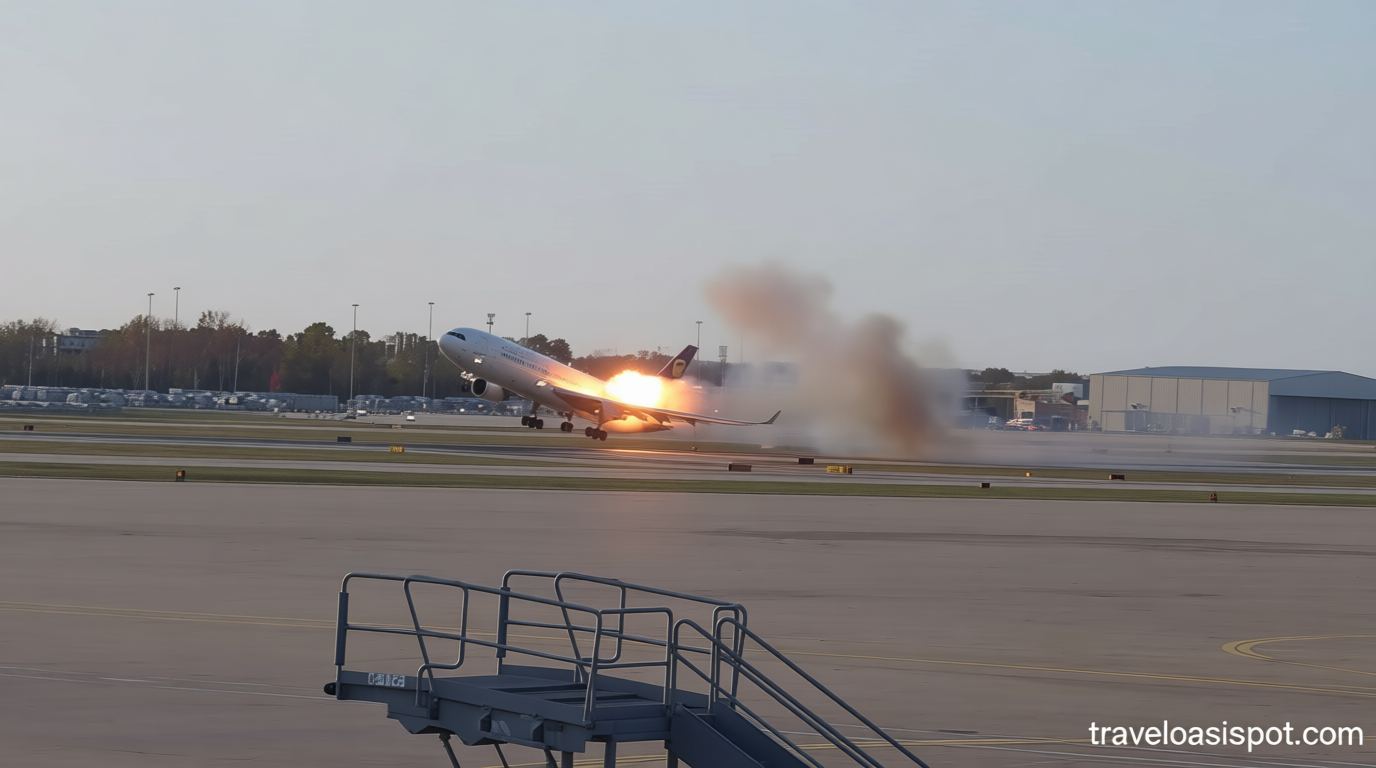
The C130 Hercules is a legendary aircraft that has redefined global aerial transport since its introduction in the 1950s. Known for its unmatched performance, versatility, and reliability, the C130 has become a cornerstone of military and civilian operations worldwide. Whether transporting troops, delivering aid, or conducting search-and-rescue missions, the C130 continues to prove its worth in extreme conditions. This article explores the C130’s design, operational capabilities, and enduring legacy in modern aviation, providing a comprehensive understanding of why it remains a preferred choice for missions across continents and environments.
A Legacy of Innovation and Durability
The C130 Hercules was first developed by Lockheed Aircraft Corporation in the mid-1950s, initially designed for military transport. Its robust design, featuring a twin-engine configuration and a rugged airframe, allowed it to operate in challenging conditions, from high-altitude flights to low-visibility environments. Over the decades, the C130 has evolved to meet changing needs, with upgrades in avionics, fuel efficiency, and cargo capacity. This adaptability has ensured its continued relevance in both military and humanitarian operations.
Power and Performance in Harsh Conditions
One of the defining characteristics of the C130 is its ability to perform under extreme conditions. The aircraft’s turboprop engines provide reliable power, enabling it to take off from short, unpaved runways and navigate through rough weather. Its high lift-to-drag ratio and strong landing gear make it ideal for operations in remote areas, such as disaster zones or conflict regions. The C130’s performance is further enhanced by its ability to carry heavy loads, including vehicles, equipment, and even passengers, while maintaining stability in turbulent conditions.
Operational Versatility: Beyond Transportation
While the C130 is primarily recognized as a military transport aircraft, its applications extend far beyond that. It is used in aerial firefighting, where it can deliver water or fire retardant to remote locations. In search-and-rescue missions, the C130 can access areas unreachable by other aircraft, thanks to its ability to land in unprepared terrain. Additionally, it serves in medical evacuation and humanitarian aid, transporting supplies and personnel to crisis areas. The C130’s versatility is a testament to its modular design, which allows for rapid reconfiguration for different roles.
Reliability and Longevity in the Field
The C130 Hercules has demonstrated exceptional reliability over its long service life. Its durable construction and straightforward maintenance requirements have made it a dependable asset for military forces and civilian organizations alike. With over 6,000 units produced, the C130 has operated in diverse environments, from the arid deserts of the Middle East to the icy tundras of Antarctica. This resilience is critical for missions that demand consistent performance without downtime. The C130’s longevity also reflects its cost-effectiveness, as many operators continue to use older models with modern upgrades rather than replacing them entirely.
Modern Upgrades and Continued Relevance
Despite its age, the C130 has not been left behind in the era of advanced technology. Recent upgrades include enhanced navigation systems, improved communication equipment, and fuel-efficient modifications. These updates ensure the C130 remains competitive in modern operations, such as precision cargo delivery and rapid deployment in emergencies. The aircraft’s ability to integrate new technologies while retaining its core capabilities highlights its value as a platform for innovation. Additionally, the C130’s role in aerial refueling and cargo transport has been further optimized, expanding its utility in global logistics.
Global Impact and Mission Success
The C130 Hercules has played a pivotal role in numerous global missions, from peacekeeping operations to disaster relief efforts. Its ability to operate in regions with limited infrastructure makes it indispensable for countries with challenging terrain or remote populations. The C130 has been deployed in conflicts, natural disasters, and humanitarian crises, showcasing its adaptability and reliability. Its widespread use by over 30 countries underscores its importance as a standard in aerial transport. The C130’s impact is not just limited to military operations; it has also contributed significantly to scientific research, such as supporting expeditions to high-altitude locations or polar regions.
The Future of the C130 Hercules
As the C130 enters its sixth decade of service, its future remains bright. Many nations continue to operate and upgrade their fleets, ensuring the aircraft remains a key player in modern aviation. The C130’s ability to evolve while maintaining its core strengths positions it for continued use in the years to come. With ongoing improvements in technology and mission requirements, the C130 is expected to serve as a reliable workhorse for both military and civilian applications. Its legacy is secure, and its role in global aerial transport is unlikely to diminish soon.
Conclusion: A Timeless Aircraft
The C130 Hercules has stood the test of time, proving itself as one of the most versatile and reliable aircraft in the world. Its unmatched performance, coupled with a wide range of applications, has made it an essential asset for missions that require adaptability and endurance. From its origins as a military transport plane to its current roles in humanitarian and scientific operations, the C130 continues to deliver value. As aviation evolves, the C130 remains a symbol of engineering excellence and operational flexibility, ensuring its place in the annals of aerial transport history.
FAQ
Q: What are the primary uses of the C130 Hercules? A: The C130 is primarily used for military transport, but it also serves in aerial firefighting, search-and-rescue, medical evacuation, and humanitarian aid.
Q: How long has the C130 been in service? A: The C130 Hercules has been in service since the 1950s, making it one of the longest-serving aircraft in aviation history.
Q: What makes the C130 suitable for extreme environments? A: The C130’s rugged design, powerful turboprop engines, and ability to operate from short runways and rough terrain make it ideal for challenging conditions.
Q: Is the C130 still being upgraded? A: Yes, the C130 continues to receive modern upgrades to enhance its capabilities in today’s operational demands.
Q: How many countries operate the C130? A: Over 30 countries worldwide operate the C130 as part of their military and civilian fleets.