CPS Chief Urges Unity as Justice System Faces Scrutiny Over Levy Case
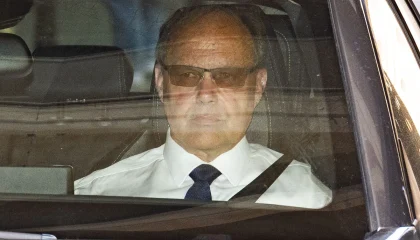
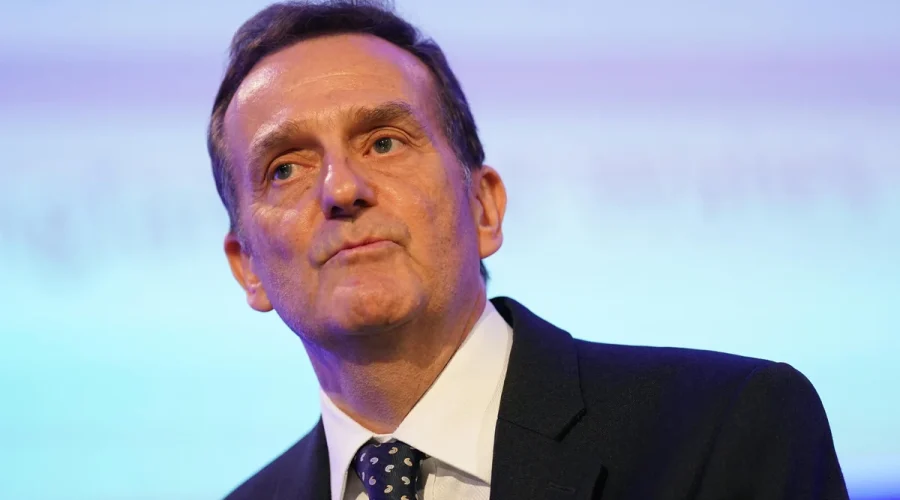
Traveloasisspot.com – The head of the Crown Prosecution Service has called for greater cooperation among criminal justice institutions following a public dispute sparked by the Simon Levy tragedy. Stephen Parkinson emphasized that different agencies must work together rather than blame one another as they examine what went wrong in one of the most serious failures in recent memory.
The controversy erupted after Metropolitan Police Commissioner Sir Mark Rowley publicly criticized the courts, the CPS, and probation services for failing to acknowledge their respective roles in allowing Levy to remain free despite a pattern of escalating offenses. Rowley noted that none of these organizations had stepped forward to address their shortcomings.
A Tragedy Unfolds
Levy’s case represents a devastating sequence of events that culminated in the deaths of two women and the rape of another. The serial attacker was ultimately sentenced to life imprisonment on Wednesday, with the judge ordering that he serve a minimum term before being eligible for parole consideration.
The victims were identified as Carmenza Valencia-Trujillo, a 53-year-old grandmother who was killed in March 2025, and Sheryl Wilkins, a 39-year-old mother of four who lost her life in August of the same year. Both murders occurred while Levy was out on bail, highlighting the critical importance of risk assessment in bail decisions.
Before reaching this tragic conclusion, Levy had been repeatedly released and re-detained, with his offending behavior progressively intensifying from sexual assaults on the London Underground to the double homicide that shocked the nation.
Public Dispute Among Senior Officials
The aftermath of Levy’s sentencing revealed tensions between some of the most senior figures in British criminal justice. Each organization sought to defend its position while acknowledging where responsibility lay.
There’s no-one from the court service, no-one from CPS, no-one from probation stepping forward and talking about their failures.
Sir Mark Rowley made these comments during an appearance on the BBC’s Today programme on Thursday morning. He went on to emphasize that the Metropolitan Police would always maintain public accountability as the agency positioned closest to ordinary citizens.
Mr Parkinson responded to the criticism by expressing his view that internal disputes were counterproductive. He argued that public confidence would be better served if all parties focused on implementing improvements rather than pointing fingers.
I don’t think that different parts of the system should be taking shots at each other. I don’t think that’s good for public confidence. I think the public want to know that lessons have been learned and that we’re taking action as a result of the lessons.
CPS Investigation and Confidentiality
When questioned about disciplinary measures within the CPS, Parkinson declined to provide specific numbers, citing the need to maintain confidentiality regarding human resources matters. He confirmed, however, that a comprehensive investigation had been conducted several months following the failures that came to light.
It is important to respect confidentiality around human resources issues and I’m not going to undermine that. But what I do want to say is that a very full investigation took place many months ago arising out of the failures in this case. Everyone involved in those has been subject to that, and appropriate action has been taken.
Addressing concerns about transparency, the CPS director explained that while specific personnel matters remain confidential, the organization had thoroughly identified what went wrong and was treating the situation with utmost seriousness.
It’s important, I think, to respect confidentiality. I think what the public needs to know is that we understand, and we now do understand, what went wrong, that we’re treating it incredibly seriously, which we are, that we’re taking action as a result of the lessons that we’ve learned from that, and I can give that assurance that we are.
Systemic Concerns and Future Implications
Mr Parkinson acknowledged that the CPS bore responsibility for some of the failures but characterized the incident as relatively rare within the broader context of the justice system’s operations. He urged the public not to lose confidence in the system despite the pressure it faces.
I think the Metropolitan Police Commissioner is absolutely right to recognise that there have been failures across the criminal justice system, and we are responsible for part of that, so I do want to acknowledge our failures and apologise. There were failures, we were responsible for some of those failures, and I’m deeply sorry.
Victims’ Commissioner Claire Waxman provided additional perspective on the case, describing it as one of the most alarming examples of systemic breakdown in recent years. She expressed serious concern that these failures might not be isolated incidents, particularly given the unprecedented strain on the justice system.
The CPS has committed to implementing specific training programs focused on risk management for cases involving escalating patterns of criminal behavior. Additionally, prosecutors will receive enhanced guidance on making robust representations to courts and improving decision-making processes when dealing with high-risk offenders.
We absolutely will seek remand for dangerous criminals.
As the justice system continues to examine these failures, the focus remains on ensuring that similar tragedies can be prevented in the future through improved coordination, better risk assessment, and greater accountability across all relevant organizations.
Related Reading
Frequently Asked Questions
What is CPS boss?
CPS boss is the main topic of this guide. The article explains the context, practical details, and next steps readers should understand.
Why does CPS boss matter?
CPS boss matters because readers are looking for a useful answer, not just a short summary. Good content should match search intent and help them decide what to do next.