
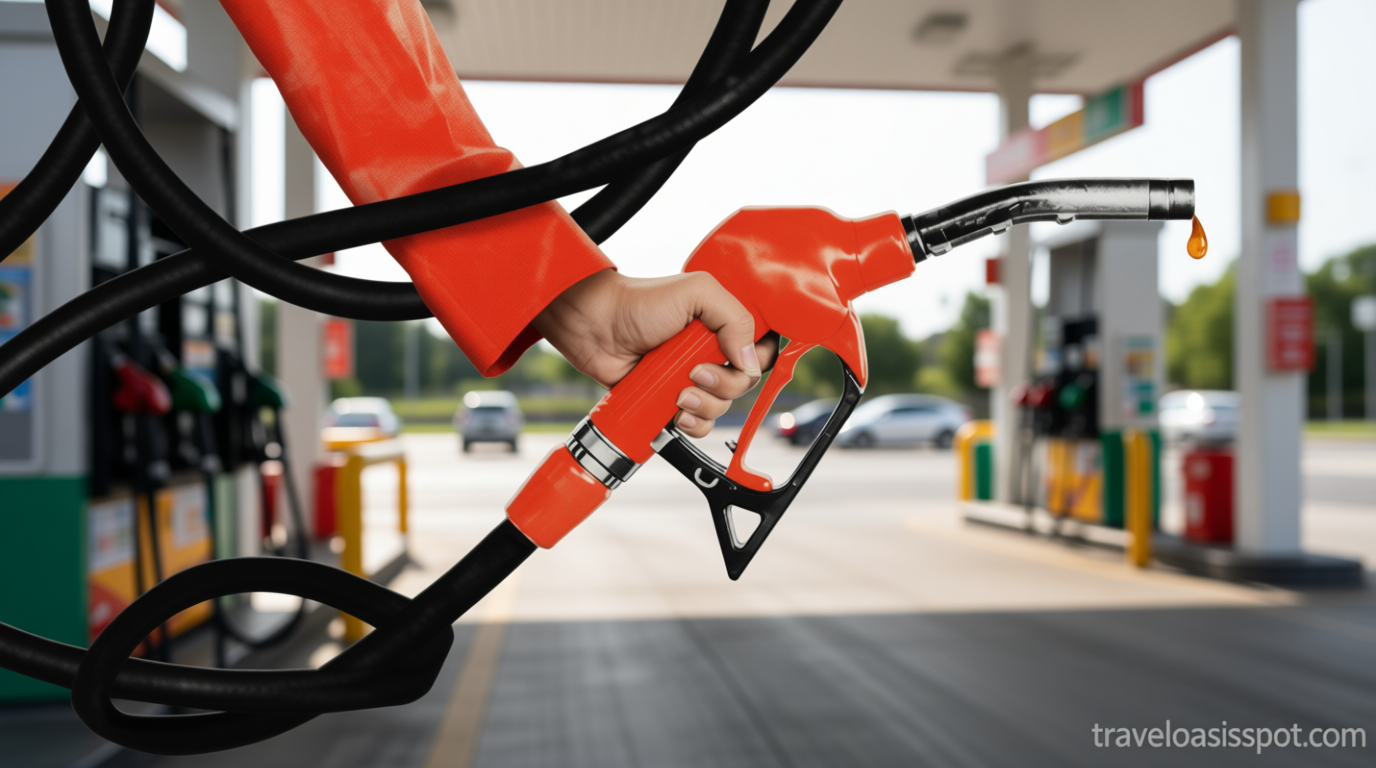
How to Oil Proof Your Life: Strategies for Reducing Fuel Costs
How to oil proof your life – As oil prices continue to climb, individuals are searching for practical methods to oil proof their life and minimize the impact of higher fuel expenses. The recent surge in gasoline costs, driven by geopolitical tensions and supply chain disruptions, has forced consumers to rethink their reliance on petroleum. By adopting a combination of behavioral adjustments, technological upgrades, and mindful spending habits, it’s possible to create a more resilient financial plan that withstands the volatility of oil markets. This guide explores actionable steps to help you navigate the energy crisis with confidence.
Optimizing Driving Habits
One of the most effective ways to oil proof your life is by refining your driving behavior. Experts like Patrick De Haan, head of petroleum analysis at GasBuddy, emphasize that reducing speed on highways can dramatically improve fuel efficiency. For example, lowering your average cruising speed from 75 mph to 55 mph can cut gasoline usage by up to 40% in conventional vehicles. This approach not only lowers immediate costs but also aligns with broader efforts to reduce oil dependency. By avoiding aggressive driving, such as frequent acceleration and abrupt braking, you can significantly extend the range of your fuel tank.
Additionally, maintaining optimal tire pressure is a simple yet impactful measure to oil proof your life. The Department of Energy estimates that underinflated tires can lead to a 3% increase in fuel consumption. This seemingly minor adjustment can save hundreds of dollars annually while also extending the lifespan of your tires. Regular vehicle maintenance, including oil changes and filter replacements, further supports long-term savings. De Haan highlights that even small changes, like minimizing idling or keeping a steady pace, can collectively make a meaningful difference in your fuel budget.
Minimizing Commute Expenses
Reducing the frequency of car trips is another key strategy to oil proof your life. By consolidating errands and planning ahead, you can cut down on unnecessary travel and save money. For instance, combining grocery shopping with a work commute or choosing delivery services over multiple visits can streamline your routine. This approach is particularly beneficial for daily commuters, as it allows for greater control over your fuel consumption and time spent on the road.
Alternative commuting methods, such as carpooling or using public transportation, also play a vital role in oil proofing your life. While public transit usage remains low in the U.S., its importance is growing as fuel prices rise. Carpooling is more common, with 9% of drivers sharing rides, but remote work has gained traction, with 13% of individuals now working from home. These options not only lower the demand for oil-based fuels but also offer environmental and financial benefits, making them essential components of a sustainable lifestyle.
Smart Fuel Purchasing
Shopping around for the best fuel prices is a critical part of oil proofing your life. GasBuddy data reveals that many stations sell gasoline at rates exceeding the county average by more than 50 cents per gallon, with some charging as much as a dollar higher. By using apps or online tools to track nearby prices, you can avoid overpaying and save money on each fill-up. This practice is especially advantageous for frequent drivers, as it ensures you’re always getting the most cost-effective fuel option.
Moreover, the shift toward used vehicles is a growing trend in the effort to oil proof your life. With the federal tax credit for electric cars eliminated last year, affordability has become a key factor for many buyers. While new electric vehicles (EVs) remain costly, averaging $56,300 according to Edmunds, used EVs provide a more budget-friendly alternative. However, even these models require careful financial planning, as their prices are still notably higher than traditional vehicles. This highlights the importance of balancing immediate savings with long-term sustainability goals.
The Role of Electric Vehicles in the Transition
For those looking to make a more substantial impact, electric vehicles (EVs) offer a transformative solution to oil proof your life. Kathy Harris, director of clean vehicles at the National Resources Defense Council, notes that the current energy crisis has increased consumer interest in fuel-efficient alternatives. Hybrids, plug-in hybrids, and fully electric models are all part of this shift, as they drastically reduce reliance on petroleum. These vehicles not only cut fuel costs but also contribute to lower carbon emissions, making them a forward-thinking investment for the future.
Home charging is one of the most cost-effective advantages of EV ownership. Even when using public stations, the savings from home charging can outweigh traditional fuel expenses. This underscores the importance of transitioning to electric vehicles as a strategic step in oil proofing your life. By embracing EVs, individuals can reduce their exposure to fluctuating oil prices while also supporting the broader movement toward sustainable energy solutions.





