
Retired Cop Jailed Over Charlie Kirk Meme Settles Unlawful Incarceration Lawsuit for Over $800K
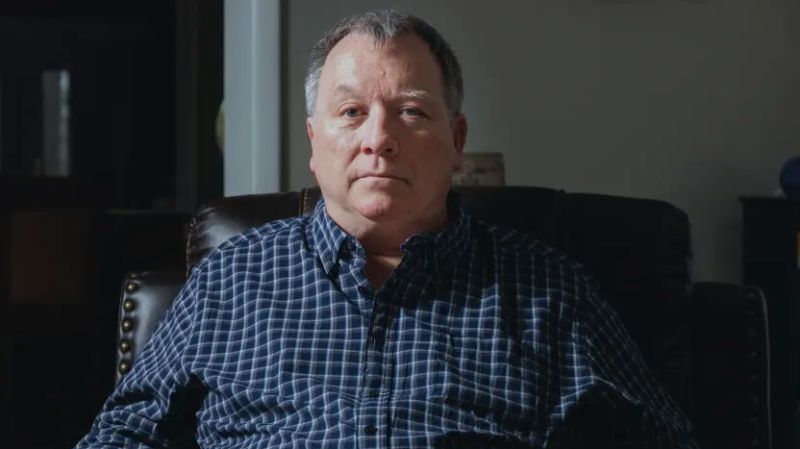
Retired cop jailed over Charlie Kirk – Less than a year after a Tennessee retired law enforcement officer was detained for 37 days over a social media post, the case involving his arrest has reached a resolution. Larry Bushart, a former officer from Perry County, has agreed to a $835,000 settlement with the county, which ends his five-month-old lawsuit alleging constitutional rights violations due to his prolonged detention. The agreement, announced Wednesday, allows Bushart to drop his legal claim that his freedom of speech and Fourth Amendment protections were infringed during the incident.
At the heart of the dispute was a Facebook meme Bushart shared shortly after the fatal shooting of Charlie Kirk during an event at Utah Valley University. The post included a photo of former President Donald Trump and a quote he made in 2024 following a school shooting in Des Moines, Iowa. The meme, which claimed relevance to current events, was interpreted by authorities as a threat to a school in Perry County with a similar name. This misunderstanding led to his arrest and incarceration, despite the lack of direct evidence linking the meme to actual violence.
Bushart’s legal team, representing him through the Foundation for Individual Rights and Expression, had previously argued that his detention stifled his ability to engage in political discourse. In court documents, they highlighted how his post-retirement employment was jeopardized by the 37-day jail stay, which he could not afford. The $2 million bond requirement further compounded his financial strain, forcing him to remain in custody until late October when the district attorney of Perry County decided to dismiss the sole charge against him.
“I am pleased my First Amendment rights have been vindicated,” said Bushart in a statement.
“The people’s freedom to participate in civil discourse is crucial to a healthy democracy.”
His lawyers emphasized that the meme was a form of political expression, not a direct threat, and that the arrest was a disproportionate response to his online activity. The case had been scheduled to go to trial before a federal jury in Memphis in late July, but the settlement brought the matter to a close without the need for a court ruling.
The legal battle centered on whether Bushart’s arrest was justified under the circumstances. Authorities claimed the post was interpreted locally as a threat to a school in Perry County, given its name’s similarity to the one in Des Moines. However, Bushart’s attorneys contended that the connection was speculative, and the meme was merely a commentary on the political climate following the shooting of Charlie Kirk, a prominent Trump supporter. The incident occurred on September 10, 2024, when Kirk was fatally shot during an outdoor event, sparking widespread online reactions.
Following the shooting, Bushart shared a meme on Facebook that referenced the event and included Trump’s quote about “getting over it” after the Iowa school tragedy. This post, though not explicitly threatening, was deemed by prosecutors as a potential risk to public safety. The arrest came just 10 days after Kirk’s death, raising questions about the balance between free speech and law enforcement’s authority to act. The county’s sheriff, Nick Weems, and investigator Jason Morrow were named as defendants in the lawsuit, which alleged wrongful arrest and incarceration.
Despite the settlement, the county, Weems, and Morrow have not admitted any fault in the case. The financial responsibility for the agreement falls on the county’s insurance provider, which will cover the $835,000 payment. In a joint statement released alongside the settlement, Weems reiterated his commitment to community safety.
“As Sheriff, there is no responsibility I take more seriously than protecting the children in our community, who are some of the most vulnerable among us,”
he said. “Ensuring their safety is not just a duty of this office, it is a commitment I carry with me every single day.”
Bushart’s case has drawn attention to the broader implications of social media in modern policing. His arrest highlighted how a single post can trigger a chain of events leading to detention, even when the evidence is circumstantial. The meme, which he shared to express his views on the political situation, became a focal point for debate over the limits of free speech and the potential for overreach by law enforcement. Critics argue that the county’s actions set a precedent for targeting individuals based on perceived threats rather than concrete evidence.
The settlement, while resolving the immediate dispute, does not fully address the underlying concerns about the legal system’s response to digital content. Bushart’s lawyers noted that his arrest not only disrupted his personal life but also created a chilling effect on his online political engagement. He now faces the challenge of rebuilding his reputation and livelihood, which were affected by the incident. The case underscores the importance of clear guidelines for how law enforcement interprets and responds to online speech, especially in politically charged environments.
With the lawsuit settled, the focus shifts to the procedural aspects of Bushart’s arrest. The county’s decision to drop the charge in late October was a critical turning point, allowing him to be released after months of detention. However, the settlement’s terms suggest that the county’s liability was limited to financial compensation, without acknowledging the potential for over-policing or constitutional overreach. This approach has sparked discussions about whether such cases should require admissions of guilt to fully resolve disputes about individual rights.
As the details of the settlement are finalized, the case serves as a reminder of the delicate relationship between law enforcement and public discourse. While Bushart’s arrest was based on a meme that linked to a past shooting, the legal system’s response has been scrutinized for its proportionality and adherence to constitutional standards. The outcome may influence future cases where similar circumstances arise, as it demonstrates how even minor online actions can lead to significant legal and personal consequences.
For now, Bushart’s story concludes with a financial resolution that allows him to move forward. His experience, however, continues to raise important questions about the role of social media in shaping modern legal cases. The $835,000 settlement not only provides compensation but also symbolizes a step toward reconciling the tension between free expression and the responsibilities of public officials to maintain order. As the case fades from the headlines, its impact on discussions about civil liberties and digital communication remains a topic of ongoing debate.





