
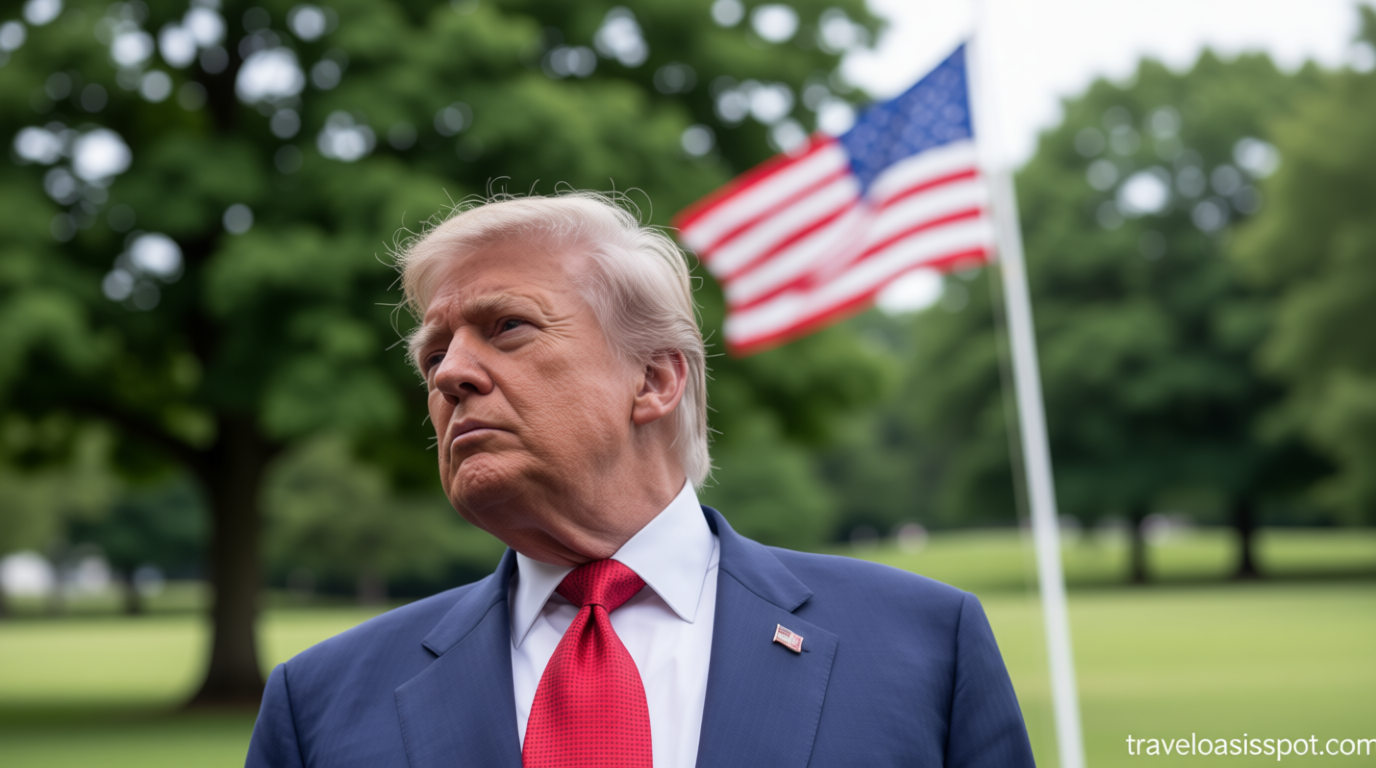
Trump’s main problem on the economy, according to the new CNN poll
Trump s main problem on the economy – In an era marked by deep political divides, it’s uncommon for a majority of Americans to concur on a single issue. However, a recent CNN poll indicates that 70% of voters now share a unified perspective on one critical topic: President Donald Trump’s economic leadership. This figure represents a stark reversal from his first term, when economic strength was his defining asset. The latest data reveals that Trump’s economic disapproval rating has reached a record high, with 30% of Americans expressing approval and 70% disapproval. This is the largest net disapproval margin ever recorded for the former president, signaling a significant shift in public perception.
The Turning Points
Analysts point to two pivotal events as catalysts for this downturn: the imposition of global tariffs and the initiation of the Iran war. These decisions, according to the survey, are closely tied to the surge in disapproval. The data shows that Trump’s economic disapproval rating increased by five percentage points after the tariff announcement, and another five points following the Iran conflict. The rise in negative sentiment has been unprecedented, surpassing even the most challenging periods of his previous presidency.
Before these developments, Trump’s economic approval stood at a relatively stable 56% in March 2025, a figure that had remained consistent throughout his first term. However, the rollout of his “Liberation Day” tariffs in April 2025 marked a turning point, pushing the disapproval rate to 61%. The following months saw a further spike, with the rating reaching 69% by March 2026 and holding steady at 70% in the latest poll. This trend is notable because it represents the most dramatic shift in economic sentiment since his early days in office, when his policies were initially praised.
Party Lines and Economic Blame
The poll reveals that the blame for economic struggles is no longer confined to Democrats. A striking 79% of independents and 30% of Republicans now disapprove of Trump’s economic management, a departure from his earlier dominance in Republican circles. This cross-party criticism suggests a broader erosion of confidence in his policies. While Democrats have consistently expressed disapproval, the inclusion of a majority of Republicans in the blame game is particularly telling.
According to the survey, 65% of Americans believe Trump’s policies have worsened economic conditions, and 77% claim they have increased the cost of living in their communities. These figures highlight a growing consensus that Trump’s actions, rather than external factors, are driving economic hardship. The analysis further indicates that the Iran war and tariffs are the primary reasons for this sentiment, with both events coinciding with the largest increases in economic disapproval during his two terms.
Legacy of Policy Impact
Historical data provides context for the current situation. During his first term, Trump’s economic disapproval never exceeded 50%, a stark contrast to the present 70%. This shift underscores a transformation in public opinion, as voters have grown increasingly critical of his economic strategies. The most recent poll also shows that the percentage of Americans attributing economic challenges to Trump’s policies has surged from 40% during his first year in office to 60% just three months into his second term—a trend that reflects the immediate and visible consequences of his decisions.
One of the most revealing aspects of the poll is the broadening of economic blame. While partisans typically shield their preferred leaders from criticism, the current data shows that even a majority of Republicans are now linking Trump’s policies to economic pain. This is a notable shift, as Republicans had historically been more forgiving of Trump’s economic record. The study suggests that the combination of tariffs and the Iran war has forced voters to confront the direct impact of his actions on everyday life.
“Why? Because partisans tend to avoid blaming bad developments on politicians they like. They’ll often blame economic problems on environmental factors that are outside of a president’s control, or they’ll blame the policies of the previous president for dogging the incumbent.”
The poll’s findings reveal that Trump’s economic policies have become the focal point of public frustration. Before the tariffs and Iran war, many Americans blamed external factors for inflation and job market challenges. However, the recent events have made it impossible to ignore the role of Trump’s decisions. Gas prices, which had risen sharply over the past two and a half months, are directly linked to the Iran conflict. Similarly, the prolonged inflation and stagnant job growth that followed the tariffs have left voters with little room to defend the former president.
Comparing Trump’s economic disapproval to that of his predecessors, the current figures are more severe than any recorded during Joe Biden’s or Barack Obama’s terms. While Biden’s economic ratings dipped in the early stages of his presidency, they never reached the 70% disapproval mark seen today. Obama, despite facing economic challenges during his tenure, maintained a higher level of approval. This underscores the extent of Trump’s struggle, as even his base of supporters has turned against him on economic issues.
Long-Term Implications
The data suggests that Trump’s economic policies have created a lasting impression on voters. The shift from a 56% disapproval rate in March 2025 to 70% today reflects not only immediate backlash but also a growing recognition of the long-term consequences of his decisions. This trend is particularly concerning for his campaign, as it indicates a weakening of his economic narrative—a cornerstone of his political brand.
For Republicans, this disapproval has been a significant blow. Just months ago, the percentage of Republicans disapproving of Trump’s economic policies was below 10%, but it has since doubled to 27%. This change highlights the party’s internal division and the challenges of maintaining a unified stance on economic issues. The tariffs, which were initially seen as a bold move to protect American industries, have now become a symbol of economic mismanagement. Similarly, the Iran war, once viewed as a strategic geopolitical maneuver, is now perceived as a costly distraction that has worsened economic conditions.
Experts argue that Trump’s economic disapproval is not just a reflection of current issues but also a culmination of policy choices over the past several years. The combination of tariffs, tax cuts, and trade wars has left a trail of economic instability that voters are now attributing to his leadership. The latest CNN poll serves as a stark reminder that even with a strong partisan base, Trump’s economic decisions have made him vulnerable to widespread criticism.
The implications of this shift are far-reaching. For Trump, the economic disapproval rate has become a critical hurdle in his re-election bid. The data suggests that his policies are no longer seen as a solution but as a source of economic strain. This perception has been reinforced by the public’s growing skepticism of his ability to navigate complex economic challenges. As the election approaches, the former president must address this decline in support or risk losing key votes.
In conclusion, the new CNN poll marks a pivotal moment in Trump’s political career. The 70% disapproval rate on economic matters represents a culmination of policy decisions, external events, and shifting voter attitudes. While his first term was defined by economic optimism, his second has been characterized by growing discontent. The data provides a clear picture of the challenges he faces, as even many Republicans are now aligning with the majority in blaming his policies for economic hardship. This trend could have lasting effects on his campaign and his legacy as a leader.





