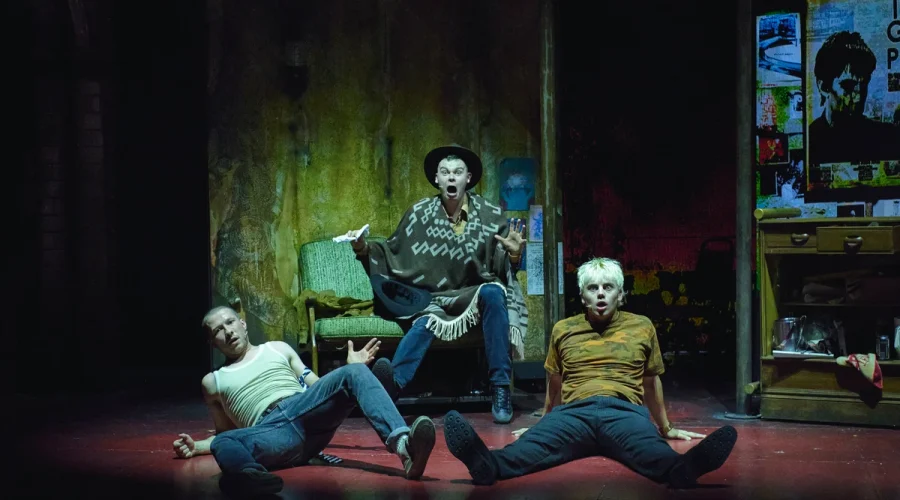
Trainspotting The Musical: A Disappointing Stage Adaptation of Trainspotting Traveloasisspot.com – There is a peculiar sensation when witnessing
A Disappointing Stage Adaptation of Trainspotting
Traveloasisspot.com – There is a peculiar sensation when witnessing something beloved transformed beyond recognition. It manifests as a dull, sickening impact—the auditory equivalent of an exhausted steed being relentlessly whipped. Since Irvine Welsh’s unconventional narrative concerning Edinburgh’s struggling Leith district emerged from obscurity to become a cultural phenomenon in 1993, it has generated numerous theatrical productions, cinematic sequels, and what many consider one of the most exceptional soundtracks in history.
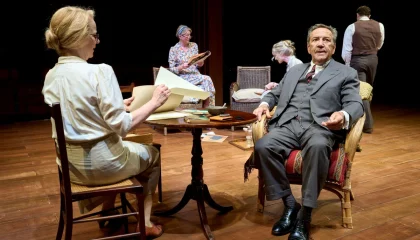
Yet now, with an almost predictable gloominess, the misadventures of Renton, Sick Boy, Begbie, and Spud have been transformed into a thoroughly misguided West End musical production. Where Welsh’s original work shimmered with fragmented brilliance, this adaptation feels heavy-handed and conventional. Rather than capturing the dark, hedonistic momentum of Danny Boyle’s celebrated 1996 film, the stage version becomes sermonizing and overly explanatory.
The musical compounds its problems by tethering emotionally resonant classics such as “Lust For Life,” “Perfect Day,” and “Bitter Sweet Symphony” to a miscellaneous collection of pub-rock novelty tracks composed by Welsh alongside Stephen McGuinness.
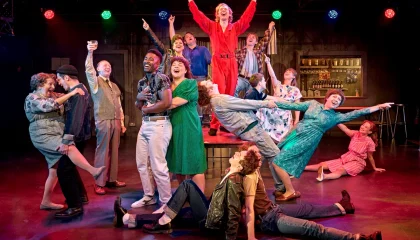
McGuinness, who has reportedly worked as a house producer and remixer for many years, does not necessarily reveal this expertise through the sentimental ballads, grumbling laments, and various genre parodies presented here. The country-and-western line dance sequence featuring the chorus “c***s run the country” stands out as particularly unfortunate.
Performances and Direction
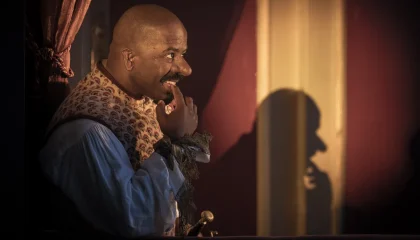
The production—developed, directed, and nominally choreographed by Caroline Jay Ranger—lacks power and feels routine. However, Lewis Kidd provides considerable relief, delivering an impressively relaxed and confident portrayal of the bald antihero Renton. Kidd assumed the role following a rehearsal injury sustained by original cast member Robbie Scott.
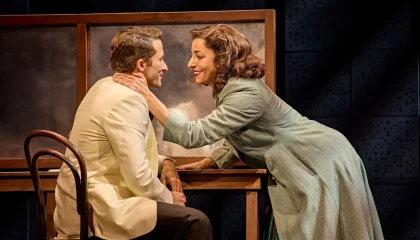
Rosie Dignan makes her stage debut with affecting performances as Alison, the junkie whose infant perishes while she injects heroin into “the big blue vein of her milk-bottle white arm.” Unfortunately, her vocal capabilities prove somewhat limited.
Where should one begin? The musical transforms implicit political commentary into explicit statements, featuring frequent monologues explaining that there are “nae jobs” due to Thatcher’s policies and arguing that heroin differs little from alcohol, tabs, and consumerism as mechanisms for controlling the working class. This approach renders the “choose life” monologue from Boyle’s film as academic as Thomas Piketty.
Renton’s waste of his own life is starkly contrasted with that of a brother in the British Army in Ulster, potentially killing and eventually being killed.
Parents and religion occupy larger roles than in earlier adaptations. While Trainspotting’s original vitality remained unapologetic, this version features characters endlessly explaining or lamenting. “Please dinnae let him be on that stuff – that HEROIN!” pleads Renton’s mother, portrayed by Rebecca McKinnis.
The chemical composition of the product has previously been adjusted for each new iteration. Here, the creators evidently feel compelled to awkwardly replicate famous lines and scenes from the original film: Spud soiling himself and grimacing through a speed-fueled job interview; Renton plunging into “the worst toilet in Scotland” to retrieve accidentally expelled opium suppositories. Fortunately, this sequence unfolds through projected fantasy submersion.
The set design and choreography remain sketchy, while Welsh’s characteristic profanity and supposedly “authentic” Scottish-English dialect devolve into pastiche. Characters, once boldly defined, now appear cartoonish. Frankie O’Connor’s psychotic Begbie resembles Oswald Mosely reimagined as a muscular Marvel superhero. O’Connor also serves as the production’s Resident Fight Director, a detail that provoked amusement.
The songs, whether established hits or newly created numbers, enter the narrative sheepishly rather than emerging organically from it. The score lacks structural coherence or progression, meandering aimlessly from scene to scene and song to song. Actors appear uncomfortable whenever they must exchange dialogue for music. At one moment, three young female performers sing Republica’s “Drop Dead Gorgeous” into inverted brick telephones without clear justification.
I cannot determine what this production aspires to become, but I can confirm it certainly does not wish to be recognized as a musical.
Related SEO Topics
- Home
- Artikel terkait Trainspotting The Musical
- Tottenham 1-0 MK Dons: Mateus Fernandes marks debut with screamer as Spurs open pre-season with a win
- Chelsea FC handed major Alex Scott transfer boost after £46m bid is rejected by Bournemouth
- Food inflation hits lowest rate in almost two years but set to rise again
- England Lionesses legend Jill Scott on the benefits of preventative health
Frequently Asked Questions
What is Trainspotting The Musical?
Trainspotting The Musical is the main topic covered in this article, with practical context to help readers understand the subject clearly.
Why does Trainspotting The Musical matter?
Trainspotting The Musical matters because it helps readers compare options, avoid common mistakes, and make a more informed decision.
How should readers use this Trainspotting The Musical guide?
Use the key points, examples, and related links in this page as a starting point, then review the latest details before making a final decision.