
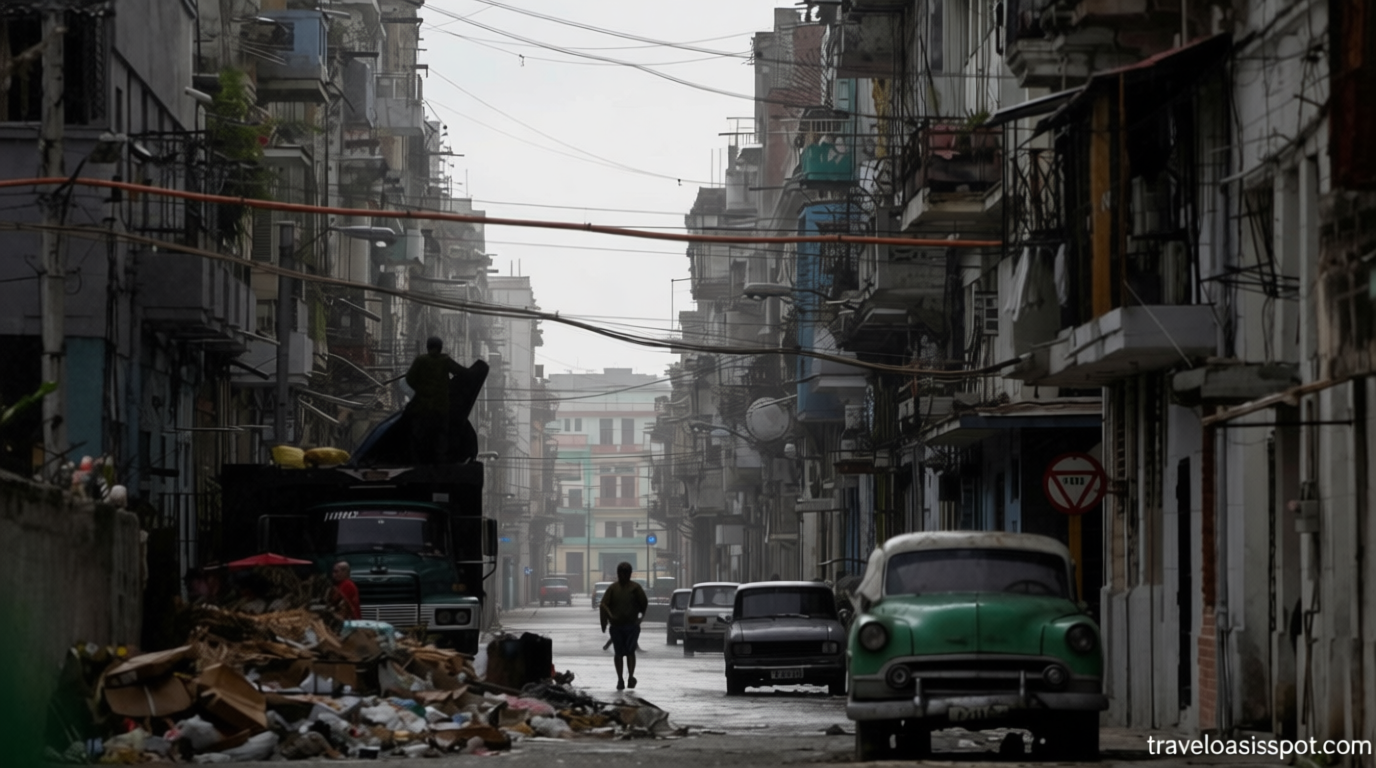
Cuba’s Energy Crisis to Worsen as Oil Donations Deplete
Energy Supply Struggles
Cuba s energy crisis to worsen – Cuba’s energy crisis to worsen has been underscored by the exhaustion of Russian oil donations, according to the country’s energy minister. During a recent televised address, Minister Vicente de la O Levy warned that the island nation is nearing a tipping point in its energy challenges. The oil shipment, which arrived in late March, has now been fully consumed, leaving Cuba with limited resources to sustain its power grid. “The situation is intensifying, and the strain is palpable,” he said, linking the energy shortages to the extreme heat of summer, which is driving up electricity demand.
“Cuba’s energy crisis is becoming more severe as we rely on dwindling reserves,” de la O Levy stated. “The electrical grid is under significant pressure, and daily life is increasingly affected by these disruptions.”
With the Russian oil supply gone, blackouts have grown more frequent and prolonged. Residents report having to use alternative methods to cope with the lack of power, such as charging phones and small appliances during brief windows of availability. The minister noted that without a stable energy source, the impact on both households and businesses will continue to escalate, raising concerns about the nation’s ability to meet its basic needs.
US Sanctions and Global Dependencies
The energy crisis is exacerbated by the US oil embargo, which has restricted Cuba’s access to international oil imports. This policy was reinforced after the US attack on Venezuela, a major oil supplier, in January. The Trump administration also classified Cuba as a threat to national security, leading to additional economic sanctions. As a result, the country has faced energy scarcity for over four months, with the Russian donation serving as a temporary reprieve.
“The US blockade is designed to weaken Cuba’s energy infrastructure and force economic changes,” explained a State Department statement. “However, the Cuban government has shown resilience in navigating these constraints.”
While the Russian oil has provided some relief, it has not been sufficient to reverse the growing shortfall. De la O Levy acknowledged that the country’s energy situation remains precarious, with ongoing efforts to secure alternative supplies through partnerships like those with China. Yet, the challenge persists, and the minister warned that the absence of a steady oil flow will continue to test Cuba’s resilience.
Solar Power and Renewable Efforts
In response to the crisis, Cuba has sought to expand its use of solar energy. The government has received solar panels from China, which have allowed for a partial shift toward renewable power. However, the minister emphasized that solar energy alone cannot resolve the grid’s instability. “Weather fluctuations and inadequate storage systems limit the effectiveness of this transition,” he noted, highlighting the need for diversified energy solutions.
Despite these challenges, the use of solar power has helped reduce dependence on oil during periods of low demand. De la O Levy described Havana’s power grid as particularly vulnerable, with daily outages lasting up to 20 hours. “This is not just a temporary issue—it’s a systemic problem that requires long-term planning,” he added, urging international support to stabilize the energy sector.
Political Repercussions and Aid Negotiations
The energy crisis has intensified political tensions between Cuba and the United States. President Donald Trump has previously suggested military intervention to address the nation’s struggles, framing the situation as a sign of Cuba’s weakening economy. “We are prepared to take the island if necessary,” he declared, emphasizing the urgency of the crisis.
“Cuba’s energy crisis is a reflection of the broader challenges we face, but it does not justify external intervention,” argued Foreign Minister Bruno Rodríguez. “We remain open to US aid offers, though their impact depends on how effectively they can be deployed.”
Rodríguez has questioned whether the $100 million aid package will adequately address Cuba’s most pressing needs. The minister stressed the importance of timely and targeted assistance, noting that the current energy shortfall threatens essential services. “Without immediate support, the crisis will deepen further,” he said, underscoring the need for a coordinated international response to prevent a complete collapse of the power system.
Broader Implications for Daily Life
As Cuba’s energy crisis to worsen persists, its effects are being felt across all aspects of daily life. Schools, hospitals, and businesses have all experienced disruptions, with some forced to operate on reduced hours or alternative power sources. The minister acknowledged the human toll, citing long lines at gas stations and increased reliance on private generators. “This crisis is not just about electricity—it’s about the quality of life for Cubans,” he stated.
Communities are also adapting by using creative solutions, such as shared generators and community-driven energy conservation efforts. However, these measures are temporary and cannot fully replace the need for consistent oil imports. With the grid struggling to keep up, the Cuban government faces mounting pressure to find a lasting solution to its energy woes.





