Judge Dismisses Charges Against Former School Official in 6-Year-Old Shooting Case
Judge dismisses charges against former school – In a pivotal decision, a Virginia circuit court judge dismissed criminal charges against Ebony Parker, a former assistant principal at Richneck Elementary School, in the case where a 6-year-old boy shot his teacher. The ruling, announced on Thursday, shifts the focus from Parker to the broader question of who bears responsibility when a minor commits a violent act. The dismissal means Parker will no longer face prosecution for her alleged role in the incident, which occurred on January 6, 2023.
Defense Challenges Prosecution’s Case
Parker’s legal team argued that the charges were unjust, claiming they lacked the necessary criminal intent. The defense contended that the former school official’s actions were reasonable given the circumstances, and that the case was built on speculative claims rather than concrete evidence. Circuit Court Judge Rebecca Robinson agreed, stating that the allegations against Parker did not meet the standard for criminal conduct.
“The court finds that the accusations against the former school official do not constitute a criminal act,” Judge Robinson emphasized during the ruling.
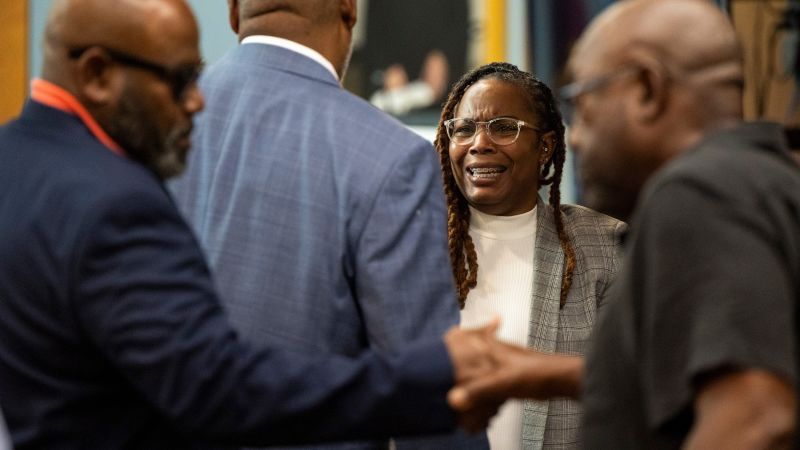
The dismissal with prejudice signals the end of Parker’s criminal trial, but the incident remains a focal point for discussions on school safety and accountability. Parker, who represented herself, showed visible emotion as the verdict was delivered, reinforcing the emotional weight of the case for those involved.
Shooting Details and Gun Access
The shooting incident unfolded at Richneck Elementary School, where a 6-year-old boy retrieved a gun from his mother’s purse and carried it to class. According to officials, the child fired the weapon at his first-grade teacher, Abby Zwerner, leading to her injury. The charges against Parker were based on her failure to act on prior reports about the boy’s access to a firearm.
Prosecutors had alleged that Parker’s negligence contributed to the tragedy, citing her role in overseeing the child’s care. However, the defense highlighted that Parker had taken steps to address the issue, including instructing staff to search the child’s belongings. The case underscores the complexities of holding school officials accountable for incidents involving minors.
Legal Precedents and Parental Roles
This ruling sets an important legal precedent, as it is among the first cases to examine the responsibilities of school staff in such incidents. In recent years, parents in Michigan and Georgia have faced severe charges for similar acts, while law enforcement officers in Parkland and Uvalde were acquitted. Parker’s case, however, marks the first time a school official has been tried for a shooting by a minor.
The boy’s mother, Deja Taylor, had already pleaded guilty to child neglect and gun-related charges, serving time in custody. Prosecutors emphasized that the child, described as having “extreme emotional issues,” would not be criminally charged. This distinction highlights how legal systems often hold adults accountable for the actions of minors, even in tragic circumstances.
Defense Strategy and Teacher Oversight
Throughout the trial, Parker’s defense team positioned her as a proactive educator, emphasizing her efforts to address the boy’s behavior. They argued that the teachers and staff, not Parker, should bear the brunt of responsibility for not identifying the gun earlier. “What about the other people who had direct contact with this child?” defense attorney Curtis Rogers questioned, challenging the prosecution’s narrative.
The defense also highlighted the sequence of events, pointing out that Parker waited for the child’s mother to arrive before checking the boy’s pockets. This, they claimed, demonstrated a reasonable approach to ensuring the child’s safety rather than deliberate harm. The jury’s confusion during the trial’s evidence exchanges further illustrated the complexity of the case.
Prosecution’s Arguments and Judge’s Rationale
Prosecutors, led by Assistant Commonwealth Attorney Josh Jenkins, presented a case centered on Parker’s alleged negligence. They called 16 witnesses, detailing her failure to act on multiple warnings about the boy’s gun. The charges included eight counts of felony child abuse and disregard for life, one for each bullet fired.
“The prosecution argued that the former school official’s actions were reckless and contributed to the shooting,” said Jenkins in court.
Judge Robinson’s decision to dismiss the charges hinges on her assessment that the case did not establish criminal intent. The ruling opens the door for renewed debates about the legal standards required to hold school officials accountable for incidents involving minors. As the case concludes, the focus shifts to the broader implications for school safety policies and adult responsibility in educational settings.