
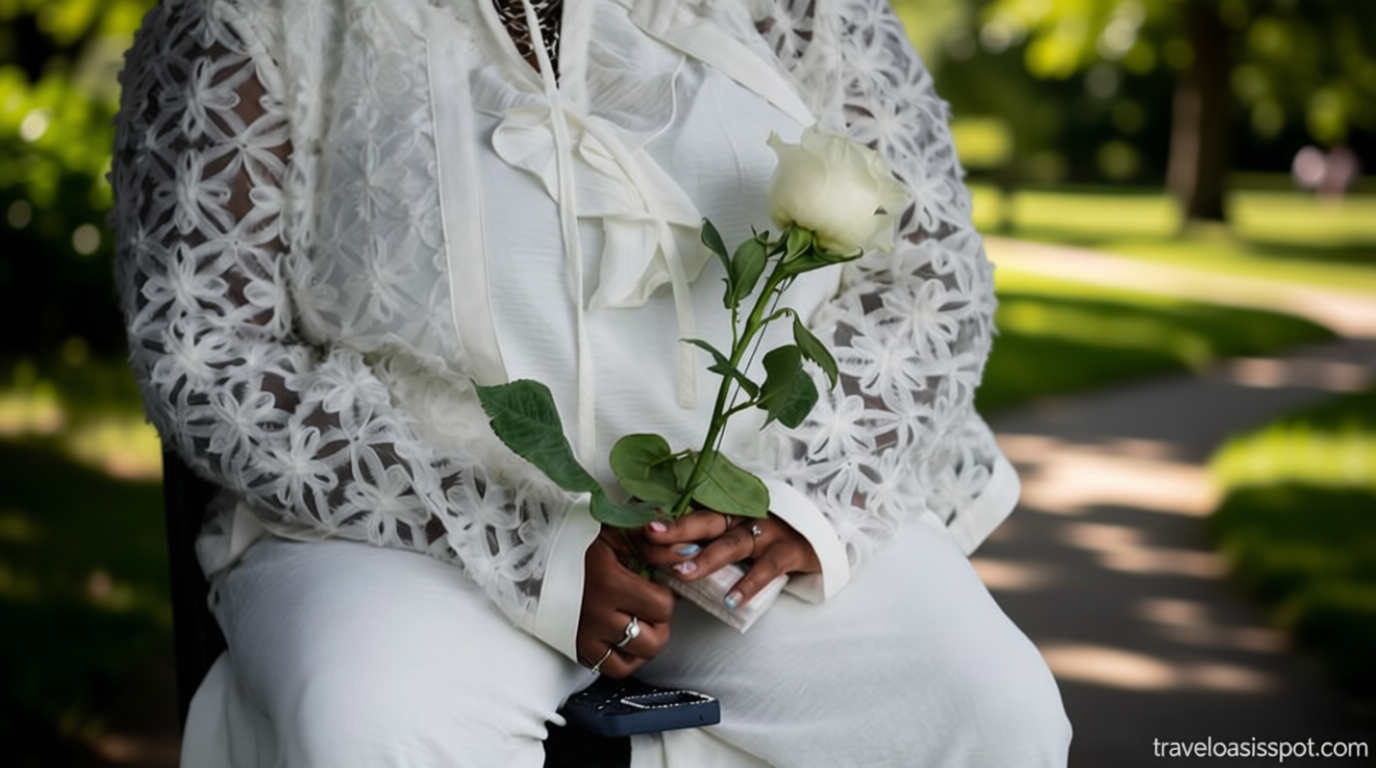
On this Mother’s Day, three Louisiana mothers grieve the deaths of eight of their children, seven killed by their own father
On this Mother s Day three – On the day that should have been filled with joy and celebration, the air in Shreveport, Louisiana, was thick with sorrow. A single mother’s tears flowed as she whispered to her daughter, her voice breaking under the weight of grief. The 11-year-old girl lay in a white casket, her eyes closed as if she had simply drifted into peaceful sleep. But for Christina Snow, this was no ordinary rest. The morning before Mother’s Day, Sariahh Snow’s body joined seven others—children of three mothers—lined up in open caskets along the front of a church hall, each one a silent testament to a violent tragedy. The soft hum of an organ filled the space, but it could not drown out the muffled sobs of those mourning the loss of their loved ones. This was not just a local grief; it was a national reckoning with the intersection of mental health and gun violence.
April 19 had brought an unimaginable loss to the community. Eight children, all under the age of 12, perished in a single shooting. Of these, seven were slain by their own father, a man whose actions left an indelible mark on the hearts of families and friends. The eighth child, killed by an uncle, added another layer of heartbreak to the already devastating toll. Two of the mothers were also critically injured during the attack, their survival a fragile thread in the tapestry of despair. The event quickly became known as the “Eternal 8,” a term that encapsulated the collective sorrow and the haunting memory of the children who never had the chance to grow up.
A Nation in Mourning
“This is not a Shreveport mourning,” said Congressman Cleo Fields during his tribute at the funeral. “This is a nation mourning.” His words underscored the scale of the tragedy, which had shaken the country and reignited debates over gun accessibility and mental health support. The shooting, the deadliest mass killing in over two years, left an indelible scar on the community. For the mothers, the grief was compounded by the knowledge that their children had been taken by someone they trusted. For the rest of the country, it served as a stark reminder of the fragile balance between safety and the ease with which firearms can be obtained.
The Victims
The list of names, though brief, carried stories that would linger in the hearts of all who heard them. Jayla Elkins, 3, was remembered as a joyous presence who brought laughter to those around her. Her sister Shayla, 5, was described as a gentle soul with a quiet demeanor. The Pugh family lost two children: Kayla, 6, a radiant child with a big smile and a penchant for creativity; and Layla, 7, whose love for her siblings and cousins was unwavering. Mar’Kaydon, or “K-Bug,” 10, was a cheerful boy who shared his school experiences with his grandmother. Sariahh Snow, 11, was known as “K-Mae,” a sweetheart with a heart full of love. The final pair, Khedarrion Snow, 6, and Braylon Snow, 5, were also honored with touching tributes, their lives etched into the memories of those who gathered to pay their respects.
Inside the funeral pamphlet, each child’s life was celebrated in words that sought to honor their innocence. Kayla was called “a little ray of sunshine” who never needed much but always brought warmth to others. Sarriah was painted as “the light of our home,” a bright and loving girl whose presence filled the air with laughter. Braylon, though young, was described as a gentle soul who “taught us more about love and resilience than words could ever express.” The descriptions, though simple, carried the weight of a profound loss, offering a glimpse into the lives of children who were taken too soon.
A Funeral of Unity and Hope
As attendees moved through the hall, they clung to one another, their tears mingling in shared sorrow. Children, once innocent and carefree, now stood among the mourners, their expressions a mix of wonder and vulnerability. The service was a blend of grief and hope, with gospel music echoing like waves through the sanctuary. Prayer hands rose in unison, and the crowd, clad in black but adorned with vibrant flowers and ribbons, became a living mosaic of comfort and remembrance.
Among the attendees were not only family and friends but also strangers who had traveled from across the country to witness the tragedy. Kelvin Gadson, who arrived from South Carolina, described his journey as a necessity. “I had to get here,” he told CNN, his voice heavy with emotion. His presence was not just to honor the children who were lost but also to support those who remained. With him were two costumes: Minnie and Mickey Mouse, offering a moment of distraction for the young attendees who had just stared into the quiet, empty caskets. These symbols of joy served as a reminder that even in the darkest of times, there is room for light.
Pastor Al George’s words during the service captured the collective longing of the mourners. “Lord, we ask right now a special prayer for Summer Grove School. Lord God, we pray for Lynnwood Public Charter School,” he said, his voice steady but full of emotion. “We pray for all of those teachers, those principals; Lord, they need you right now. Those students need you right now. They’re going to school and see empty desks; Lord God, they need you right now.” The prayers for the schools highlighted the far-reaching impact of the tragedy, as educators and students were left grappling with the absence of the children who had once filled their classrooms with life.
The funeral, held on a Saturday, was a testament to the resilience of a community in crisis. Though the air was heavy with sorrow, it also carried a sense of unity, as strangers and loved ones alike stood together to honor the fallen. The memory of the children, each with their own unique story, became a shared grief that transcended individual loss. As the service concluded, the caskets stood as silent sentinels, their white linens and pink flowers a symbol of both mourning and the enduring love that still surrounded them. In the quiet aftermath, the nation was left to reflect on the fragility of life and the urgent need for change in a world where such tragedies can unfold in an instant.





