Abu Dhabi’s Bold Move in Tourism Amidst Regional Tensions
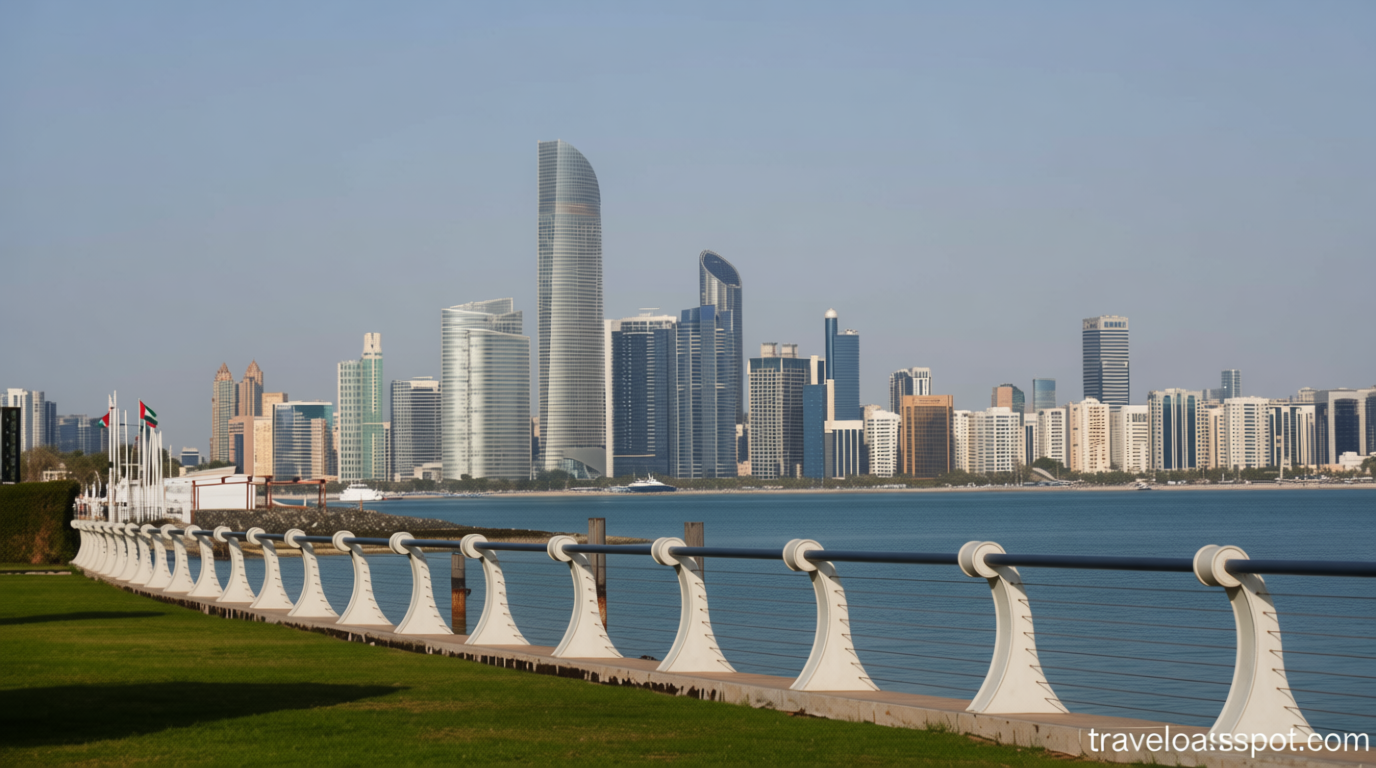
Abu Dhabi is doubling down on tourism – Despite ongoing tensions with Iran, Abu Dhabi continues to invest heavily in its tourism sector, aiming to solidify its position as a premier destination in the Middle East. The emirate, known for its opulence and cultural landmarks, has announced a $1.7 billion project to build an immersive experience center named Sphere. This venture, spearheaded by US-based Sphere Entertainment Co, is set to open in 2029 and is expected to transform Yas Island into a hub for cutting-edge entertainment. The decision reflects Abu Dhabi’s determination to maintain its appeal to global visitors, even as the region grapples with the fallout of the Iran war.
Resilience in the Face of Threats
The Iran war has cast a shadow over the Middle East, with the United Arab Emirates (UAE) emerging as a primary target. Missile and drone strikes have disrupted daily life, raising concerns about the safety of Abu Dhabi’s tourist attractions. However, the emirate remains undeterred, showcasing its commitment to the tourism ecosystem through ambitious infrastructure projects. The Sphere initiative is just one example of this push, as the city continues to attract attention with its blend of modernity and tradition.
Abu Dhabi’s Department of Culture and Tourism (DCT), led by Mohamed Khalifa Al Mubarak, has emphasized the importance of maintaining a vibrant tourism scene. “We are doubling down on our tourism ecosystem as a whole,” Al Mubarak told CNN’s Becky Anderson during the announcement. This statement underscores the emirate’s strategy to leverage its cultural and economic strengths to weather the storm of regional conflict. The DCT’s efforts are part of a broader plan to diversify the UAE’s economy, reducing its reliance on oil revenues while enhancing its global stature as a tourist hotspot.
Iconic Attractions and Economic Ambitions
Abu Dhabi’s tourism strategy is not limited to the Sphere project. The city has already invested in landmarks like the Saadiyat Island Cultural District, which houses the Louvre Abu Dhabi and the upcoming Guggenheim Museum. These institutions are designed to draw international visitors and position the UAE as a cultural powerhouse. The Louvre, which opened in 2017, has become a symbol of Abu Dhabi’s ambition to blend art and history with its contemporary identity.
According to the Abu Dhabi Tourism Agency, the city welcomed 26.6 million tourists in 2025, with 5.9 million hotel stays. This growth highlights the emirate’s success in attracting visitors, but the 2030 target of 39.3 million annual tourists remains a lofty goal. The sector is projected to contribute AED90 billion ($24.5 billion) to Abu Dhabi’s GDP, a figure that reflects the city’s belief in tourism’s potential to drive long-term prosperity. Yet, the war has introduced new challenges, particularly in the wake of Iran’s retaliatory strikes targeting key infrastructure.
The conflict has led to several drone attacks on UAE facilities, including airports and nuclear sites. A recent strike near a nuclear installation sparked fears of radiation risks, but authorities confirmed no radioactive material was released. “There is no risk to the public or environment,” stated the International Atomic Energy Agency. While these incidents have caused temporary disruptions, they have not derailed Abu Dhabi’s vision for tourism. The city’s economic resilience is evident, with its tourism sector showing signs of recovery despite early setbacks.
Impact on Travel and Recovery Efforts
Travel patterns in Abu Dhabi have been affected by the war, with hotel occupancy rates dropping by 45% during the Eid al-Fitr holiday in mid-March. Real estate data from CoStar highlights this decline, indicating a shift in visitor behavior due to safety concerns. The conflict also triggered widespread flight cancellations, with some airlines delaying operations for months. Etihad Airways, Abu Dhabi’s flagship carrier, is currently operating at 80% capacity, signaling a gradual return to normalcy.
Flight data from Flightradar24 reveals a stark contrast between February 27, 2025, and the present. On the day before the war began, 250 flights arrived at Zayed International Airport, but by the end of this week, that number had fallen to around 200. This decline underscores the ripple effects of the conflict on the tourism industry. Nevertheless, Al Mubarak has expressed optimism, noting that international travelers are beginning to rekindle interest in Abu Dhabi. “Regional tourism is really picking up right now,” he said in a press release.
James L. Dolan, CEO of Sphere Entertainment Co, highlighted the project’s significance during the announcement. “Sphere Abu Dhabi will establish Yas Island as a destination in the region for immersive experiences, and we look forward to working with DCT Abu Dhabi to see this venue come to life,” Dolan stated. The Sphere’s completion in 2029 is seen as a clear signal of Abu Dhabi’s resolve to invest in tourism, even amidst the uncertainty of the Iran war. This commitment to innovation and growth is part of a larger narrative of the UAE’s ambition to become a global tourist hub.
Strategic Planning and Future Prospects
The UAE’s tourism strategy 2030, launched in 2024, outlines a comprehensive plan to boost the sector through infrastructure development and marketing initiatives. Work on the Guggenheim Museum in the Saadiyat Island Cultural District, for instance, is progressing despite the war’s disruptions. The museum, once completed, will complement the Louvre Abu Dhabi and further cement the UAE’s role as a cultural destination. These projects are not only about attracting visitors but also about creating a sustainable tourism model that aligns with the country’s long-term goals.
Aaron Goldring, a tourism-focused economist at Oxford Economics, noted that safety perceptions play a critical role in tourism success. “The perception of safety is important for tourists,” he said. “The UAE will need to undertake significant marketing efforts to rebuild confidence.” While the war has introduced short-term challenges, Goldring believes the emirate’s wealth and strategic planning give it an edge in recovery. “Tourism is already a really important sector for them, but also for the future,” he added, highlighting the sector’s potential to drive economic growth.
Nancy Gard McGehee, a professor at Virginia Tech, echoed this sentiment, stating that the UAE’s tourism goals are part of a long-term vision. “It’s a long game for the UAE and other Middle Eastern destinations,” she said. “They are a wealthy country with a sophisticated tourism planning strategy.” The 2030 target, while ambitious, is achievable given the emirate’s existing infrastructure and its ability to adapt to changing circumstances. As the war continues, Abu Dhabi’s tourism initiatives remain a beacon of stability and opportunity in the region.
In the face of geopolitical uncertainty, Abu Dhabi’s approach to tourism is a testament to its resilience and forward-thinking mindset. The Sphere project, along with the Louvre and Guggenheim, represents a multifaceted strategy to attract a diverse range of visitors. The emirate’s ability to maintain its appeal despite the Iran war’s disruptions is a key factor in its economic diversification efforts. While challenges persist, the continued investment in infrastructure and the promise of new attractions suggest a strong resolve to thrive in the global tourism market.
As the conflict unfolds, the UAE’s tourism sector is evolving to meet the needs of a new generation of travelers. These visitors, drawn by Abu Dhabi’s blend of luxury and cultural richness, are likely to prioritize destinations that offer both safety and unforgettable experiences. The emirate’s success in attracting 26.6 million tourists in 2025 demonstrates its ability to adapt and innovate, even in the shadow of regional tensions. With the Sphere project and other initiatives on track, Abu Dhabi is poised to reclaim its status as a premier destination, proving that tourism can remain a cornerstone of economic growth despite the challenges of the times.